







Protect and identify the shipment
Confirm tray supports, specified protective inserts, sterile-barrier layers, cartons and pallet labels against the selected SKU's pack specification.


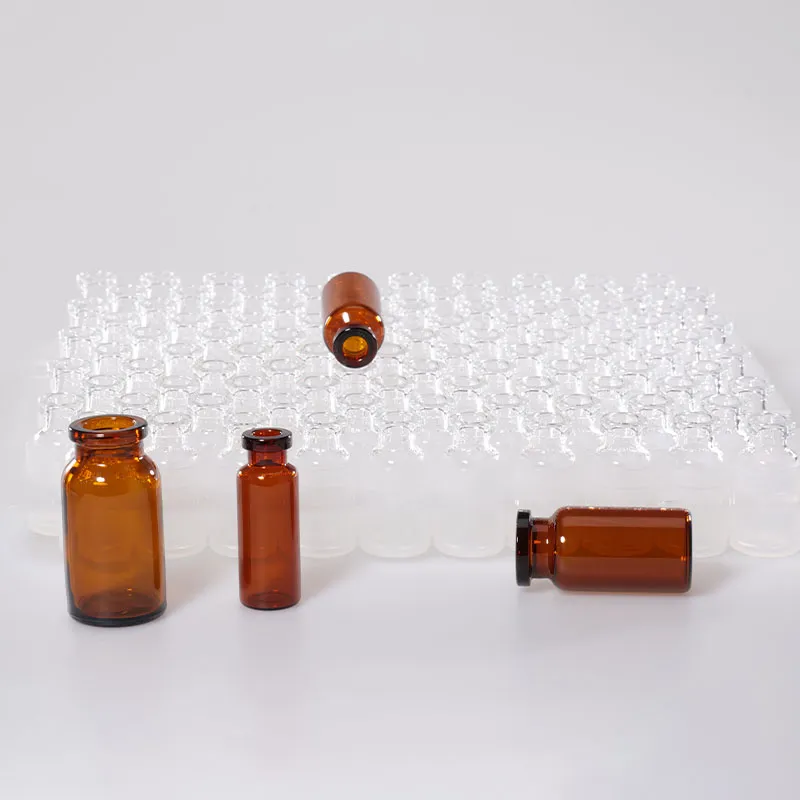
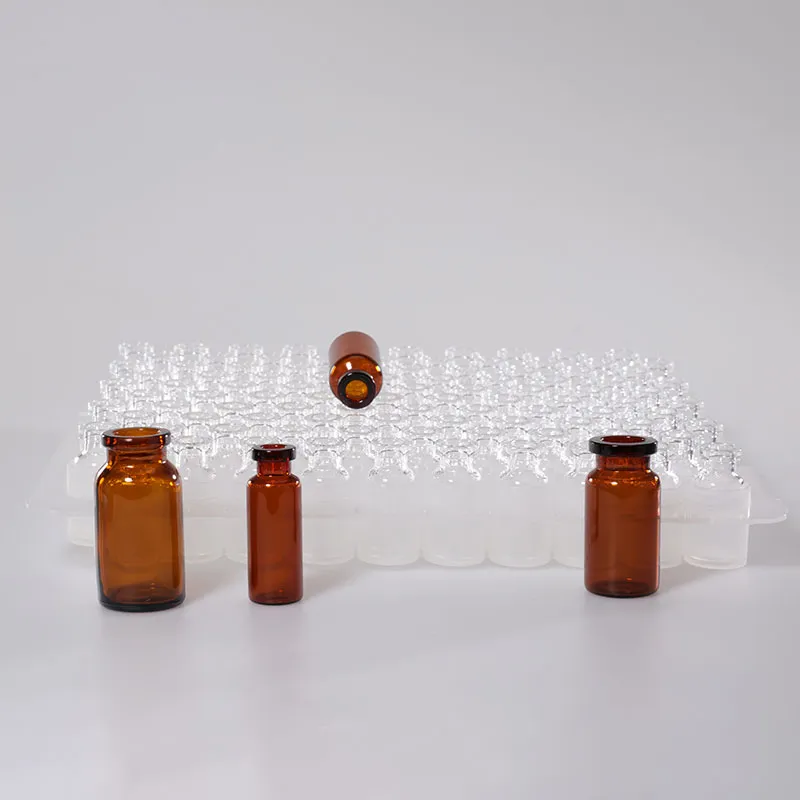
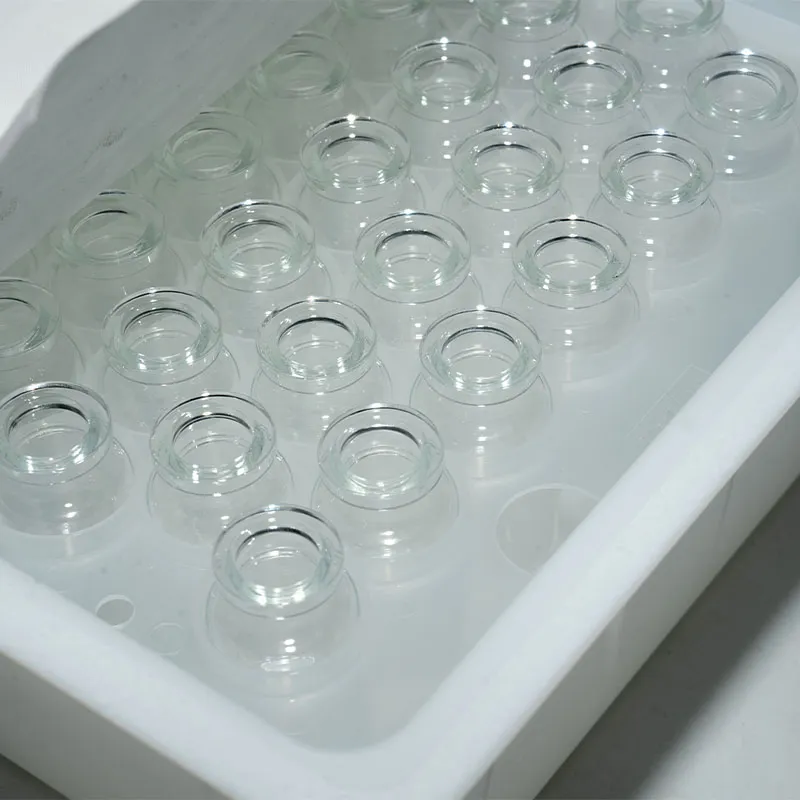
2R, 4R, 6R, 8R, 10R, 15R, 20R, 25R, 30R, 50R
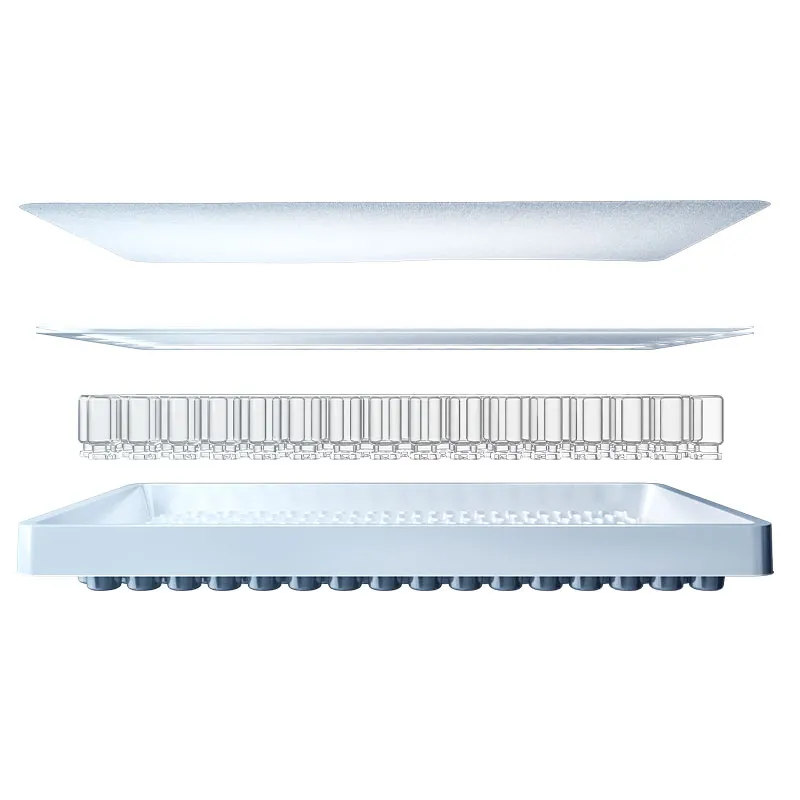
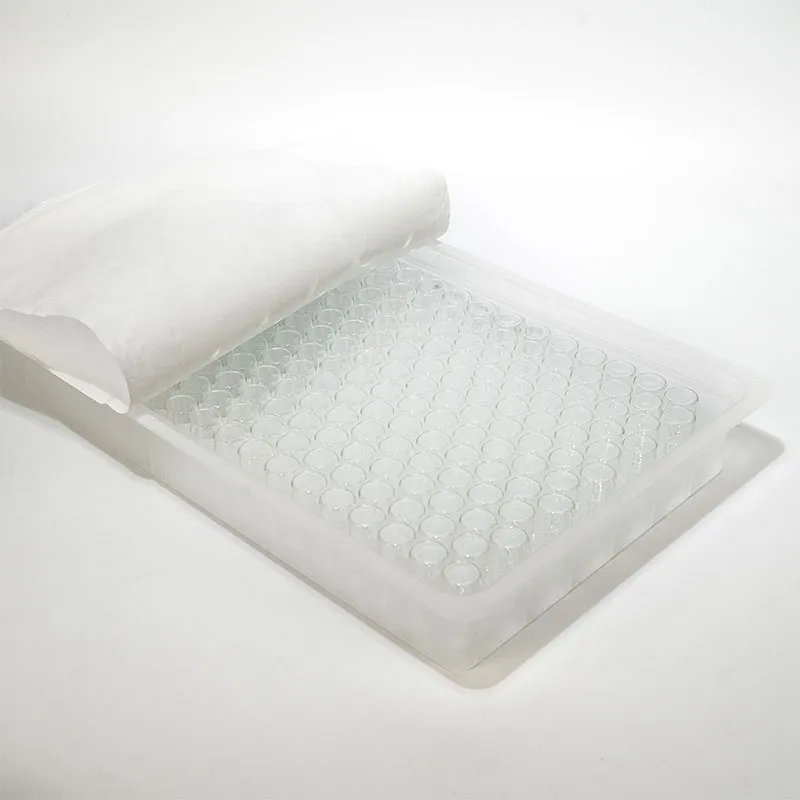
Formato de bandeja listo para usar para una integración flexible en líneas de llenado Manipulación sin contacto para ayudar a evitar arañazos entre vidrios Bolsas dobles de respiración Tyvek® para la protección de la barrera estéril Esterilización terminal con ETO y monitorización controlada del proceso
RTU Vials with Tray Packaging are designed for pharmaceutical manufacturers, CDMOs, and fill-finish facilities that need ready-to-use sterile vials for direct integration into aseptic filling lines.
Los viales RTU en bandeja de Linuo se suministran sin necesidad de lavado ni despirogenización y preesterilizados, lo que ayuda a reducir los pasos de preparación interna, disminuir la carga de trabajo de la sala limpia y favorecer una producción estéril estable.
 Consultar ahora Consultar ahora
RTU tray supply can reduce preparation steps before filling. Confirm the required packaging removal, tray unloading, format parts and transfer sequence on the selected equipment before assigning a production speed.
Pre-sterilized vial + tray system reduces human contact exposure. Supports GMP Annex 1 compliant aseptic manufacturing environments.
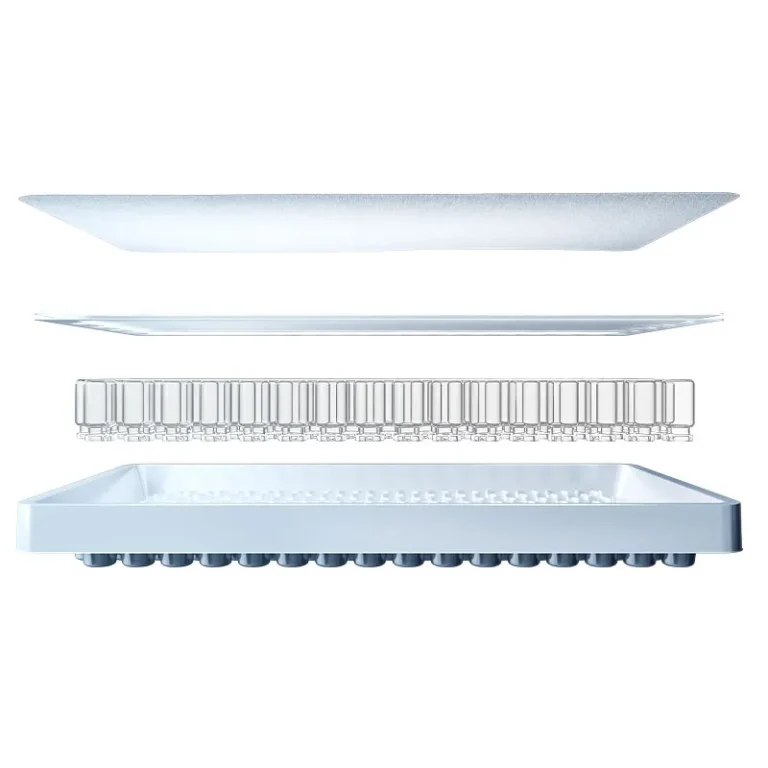
Assess the released tray configuration and its own protective packaging. Nest & Tub transport results and handling limits do not automatically apply to Tray.
Confirm tray supports, specified protective inserts, sterile-barrier layers, cartons and pallet labels against the selected SKU's pack specification.
Review drop, vibration and stacking risks, sea or air transport, moisture exposure and carrier hand-offs. Request the report and limits for this configuration.
Check accessible packaging and labels without opening the sterile barrier. Segregate affected material for QA review if bags are torn or wet, seals are damaged or labels conflict.
Request applicable transport simulation, shelf-life and package-integrity evidence by SKU and packaging revision. Use approved storage, expiry and opened-pack use instructions; no universal shelf life or time after opening is stated.
Tray support and a matched unloading sequence can help reduce unintended glass contact. Assess positioning, pickup/release, transfers and handling damage on the selected line; record breakage and interventions against agreed trial criteria.
Assess the opening and peeling sequence for particle-generation and transfer risks. Confirm packaging removal, exposed surfaces and protective handling within the site’s contamination control strategy.
Qualify the tray and vial as one configuration. Tray loading, release and downstream transfer need their own machine review and trial; Nest & Tub interface data do not establish tray compatibility.
| Requested vial format | Vial drawing | Tray interface to confirm | Qualification basis |
|---|---|---|---|
| 2R tray configuration | Confirm the tray-supplied vial SKU, body diameter, height, flange and tolerances against its released drawing. | Confirm tray L × W × H, cavity count and pitch, support/contact areas, locating datums, stack separation and pickup/release clearance. | Request the configuration-specific tray drawing and sample plan. Nest dimensions and position counts are not applicable. |
| 6R tray configuration | Confirm the tray-supplied vial SKU, body diameter, height, flange and tolerances against its released drawing. | Confirm tray L × W × H, cavity count and pitch, support/contact areas, locating datums, stack separation and pickup/release clearance. | Request the configuration-specific tray drawing and sample plan. Nest dimensions and position counts are not applicable. |
| 10R tray configuration | Confirm the tray-supplied vial SKU, body diameter, height, flange and tolerances against its released drawing. | Confirm tray L × W × H, cavity count and pitch, support/contact areas, locating datums, stack separation and pickup/release clearance. | Request the configuration-specific tray drawing and sample plan. Nest dimensions and position counts are not applicable. |
The available 2R/6R/10R source documents describe Nest & Tub supply. No tray dimensions, cavity counts or rated line speed are inferred from them. Confirm the tray SKU and released interface drawing before ordering format parts.
Record the filling-line OEM, model, software or recipe revision, target speed in vials/min and current format-part IDs. Agree the SKU-specific CAD revision, sample quantity and acceptance criteria before the trial.
Confirm bag opening, tray separation, vial pickup or release, support surfaces and transfer into the line. Assess de-nesting only if the selected system includes a nest; otherwise validate the actual tray-unloading method. Record tipping, jams, glass contact and interventions.
Verify filling-needle alignment, fill accuracy and stopper feeding. For lyophilized products, assess partial stoppering, transfer to the lyophilizer, shelf or carrier interface and final stoppering under the agreed process.
Check cap and stopper fit, crimp settings, inspection and reject handling. Record actual throughput, run duration, sample count, breakage, cosmetic defects and deviations against the pre-agreed limits.
Compatibility is established for the tested vial SKU, packaging revision, closure system, machine configuration and operating range. An equipment trial does not replace aseptic process validation, formulation compatibility studies or container-closure integrity testing of the filled and closed product.
Eliminates washing, depyrogenation, and sorting processes. Reduces CAPEX, cleanroom footprint, and operational maintenance cost.
Manufactured under ISO 15378 pharmaceutical packaging standards. Fully suitable for global regulated pharmaceutical markets.
| Componentes | Descripción del material | Cumplimiento de normativas y estándares |
|---|---|---|
| Glass injection vials | Vidrio de borosilicato | ISO 8362-1、YBB00292005-2-2015 |
| Bandeja | Polypropylene (PP) | ISO 10993 USP |
| Tyvek® inlay | Tyvek®: fibra de PE-HD | ISO 10993-5 |
| Tyvek® seal | Tyvek®: PE-HD fiber and hot melt adhesive | ISO 10993-5 |
| Sterilized bags | Doble bolsa: polietileno de baja densidad (LDPE) ang Tyvek® |
ISO 10993-5 |
| Método de esterilización | ETO | ISO 17665-1 GB 18279.1-2015 GB/T 18279.2-2015 |
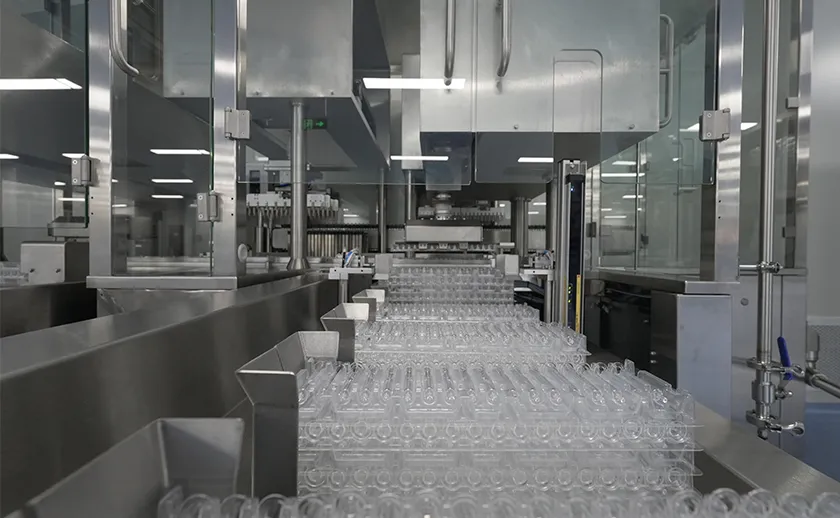
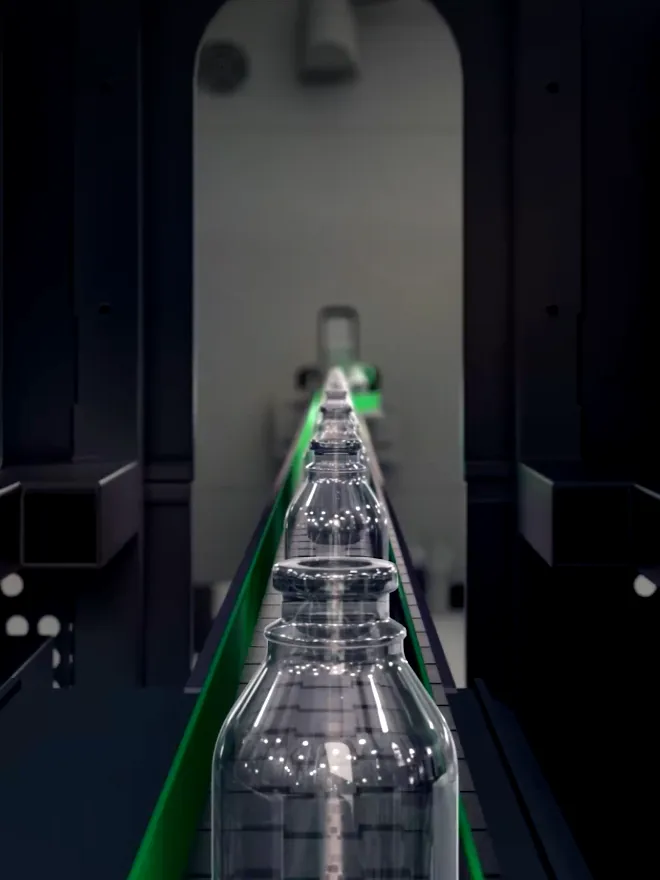
Automatic feeding
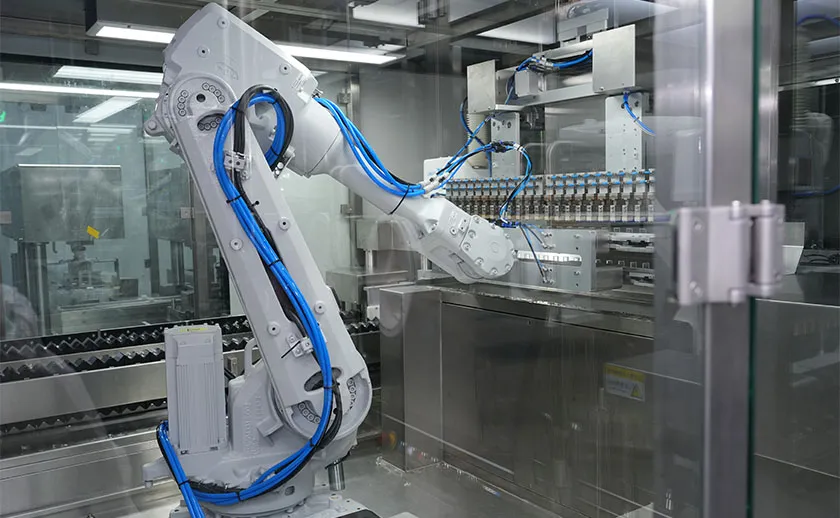
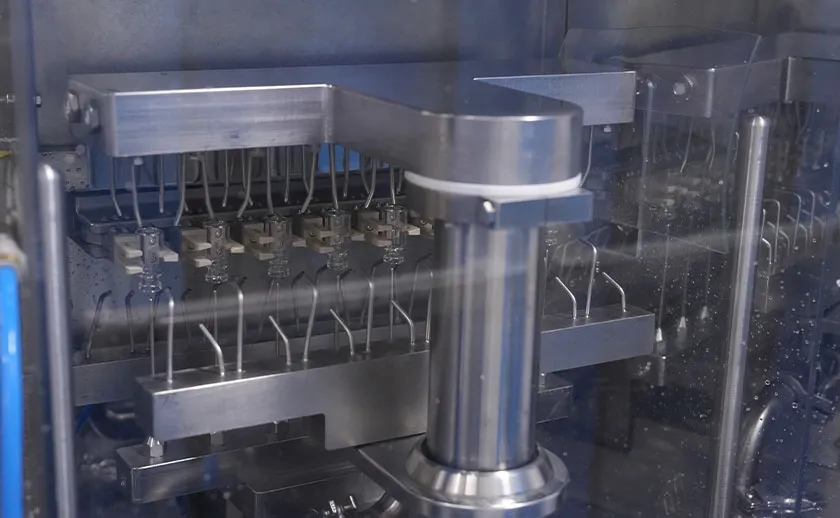
Ultrasonic Cleaning & WFI Rinsing
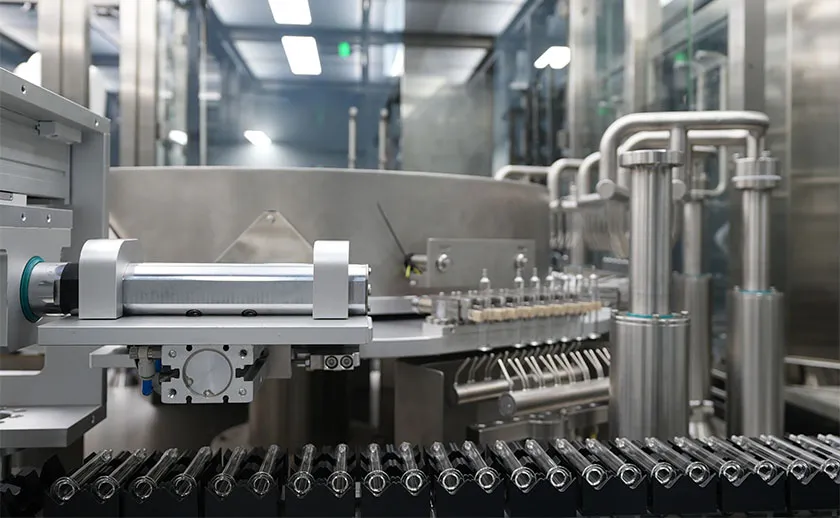
Secado con aire caliente en túnel
Siliconization Treatment
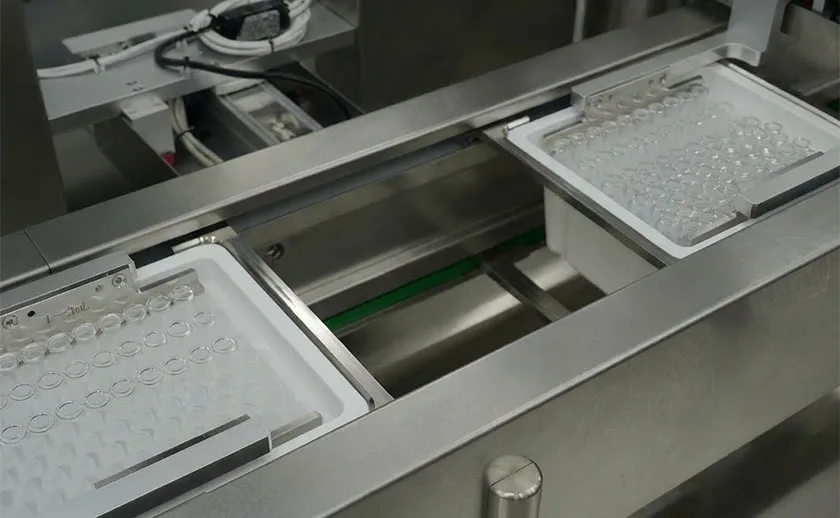
Batch Loading Tray Loading System
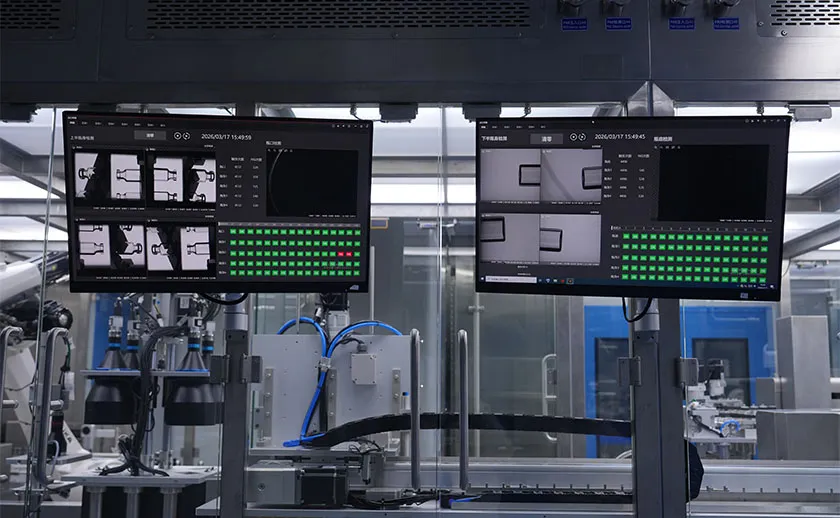
Inspección visual mediante IA
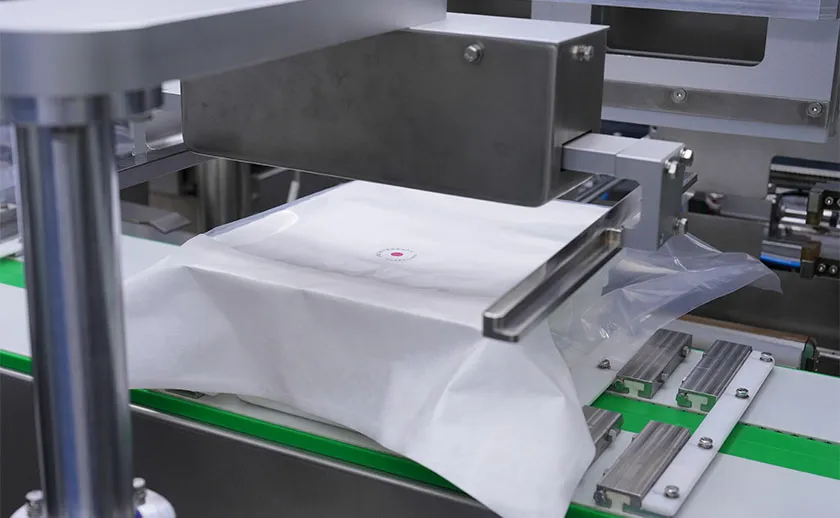
Double-Layer Packaging
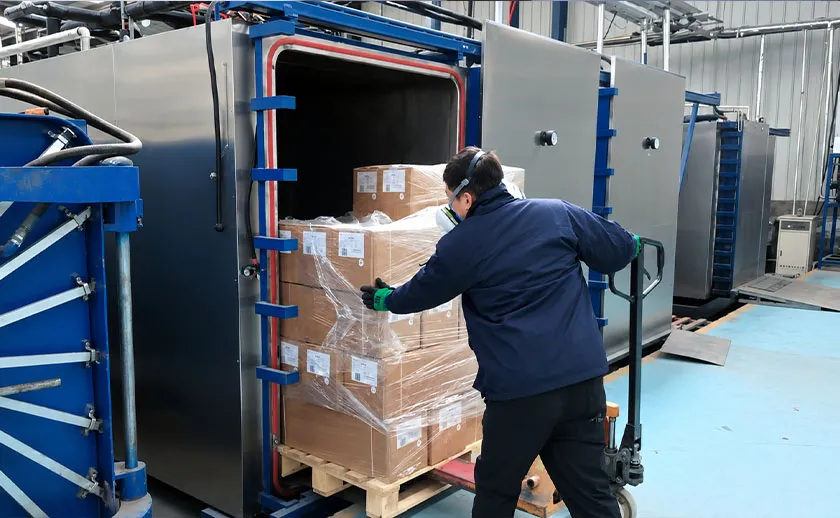
Ethylene Oxide (EtO) Sterilization
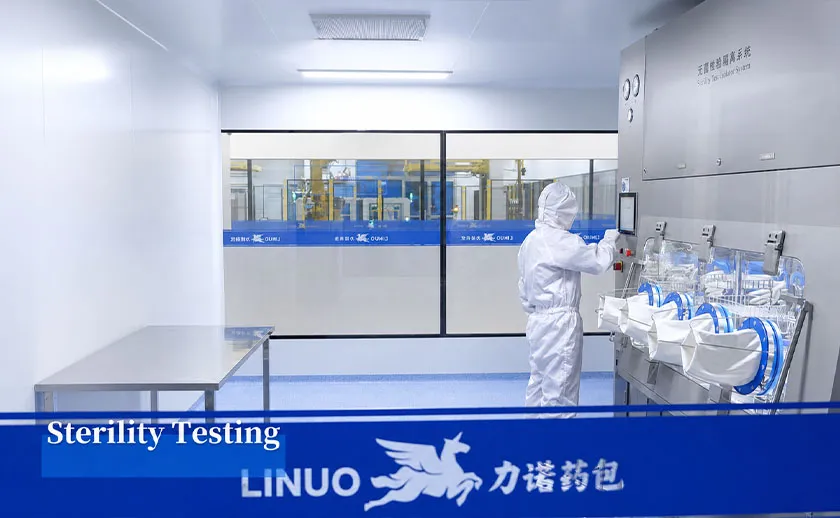
Sterility Testing
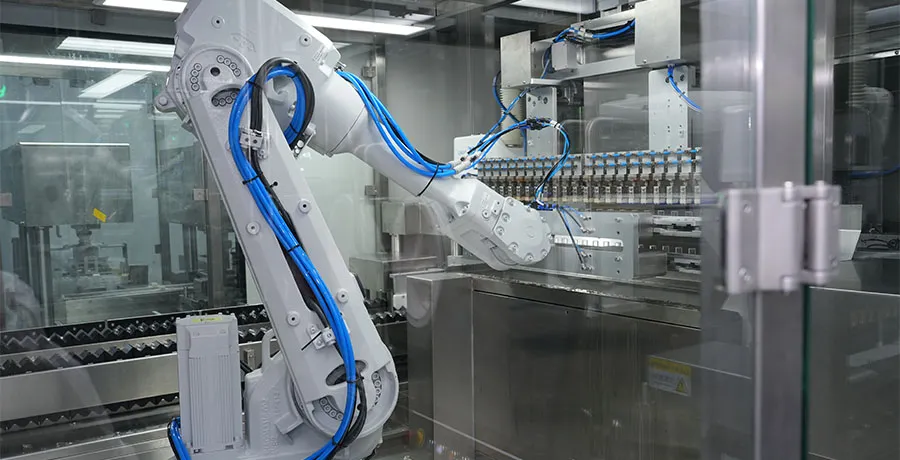
Sistema avanzado de limpieza en varias etapas diseñado para envases farmacéuticos de vidrio, que garantiza un alto nivel de limpieza, bajos niveles de partículas y el control de endotoxinas, de conformidad con las normas aplicables a los productos inyectables.
6× Soplado de aire (aire ionizado para la eliminación de partículas grandes)
2 enjuagues con agua purificada (eliminación de residuos químicos)
2 enjuagues con agua para inyección (WFI) (control de endotoxinas y pirógenos)

Nuestro proceso de esterilización se supervisa rigurosamente para garantizar una seguridad absoluta y una esterilidad 100%:
Temperatura: 30–60 ℃
Concentración de ETO: 250–1200 mg/L
Duración: de 4 a 12 horas
Humedad: 30%–80% HR
Alerta de fugas en el prevacío: un cambio de presión superior a 3 kPa/min activa la parada automática inmediata.
Apertura de seguridad: La puerta solo se abre cuando la presión interna se encuentra dentro de un margen de 5 kPa respecto a la presión atmosférica.

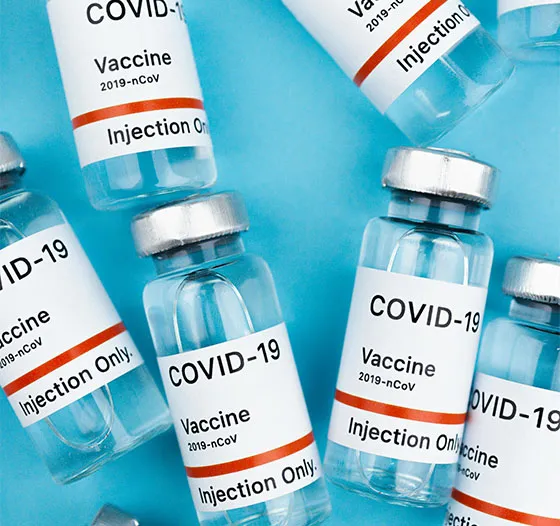
Campo de las vacunas

Productos sanguíneos
Sector biofarmacéutico

Medicamentos innovadores de alto valor

Medicina estética

Tecnologías principales
Capacidad personalizada (0,1 ml–50 ml+), diámetro, altura y grosor de pared
Serigrafía, impresión HD, codificación láser, estampado en caliente
Superficie interior hidrófoba; recubrimiento exterior bloqueador de UV o antifricción
A granel/RTU en nido y bandeja /RFF; esterilización ETO disponible
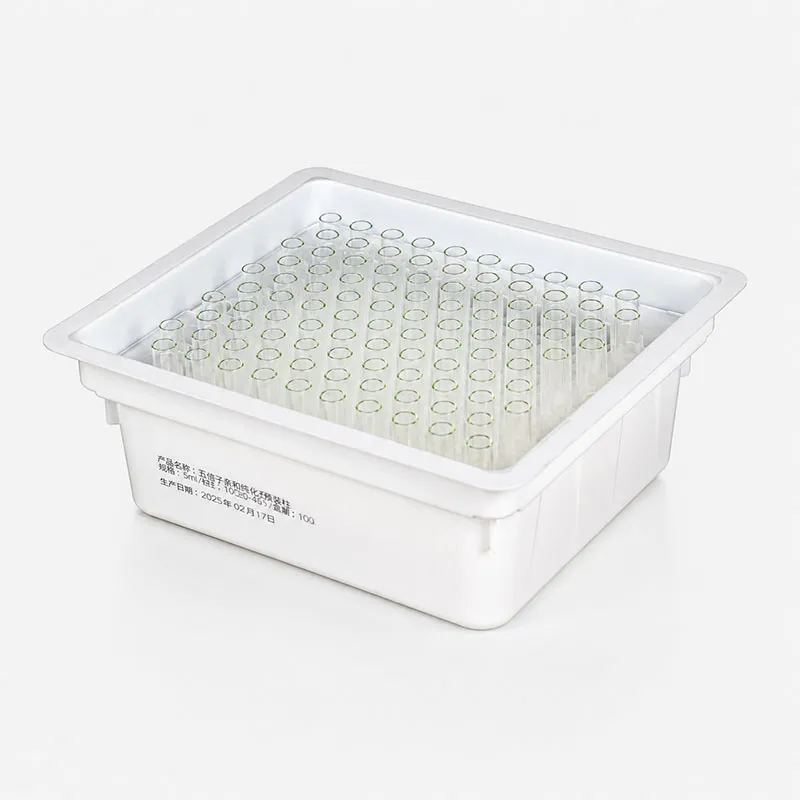
Cartuchos de vidrio RTU · Llenado directo · Procesamiento aséptico
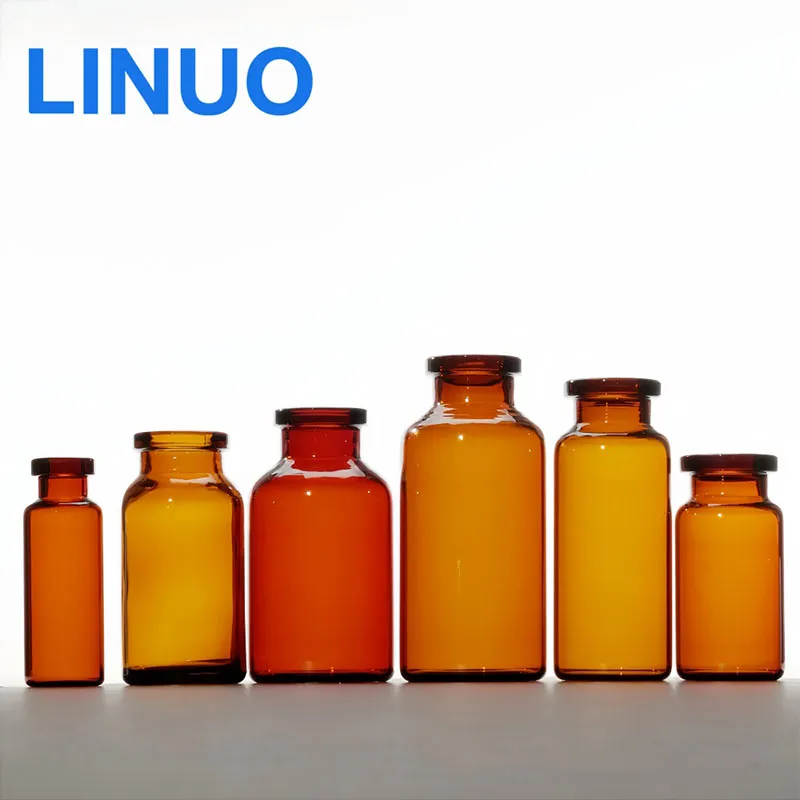
Vidrio borosilicato de tipo I · Cuello para engarzar · Envases para inyectables · Transparentes/ámbar
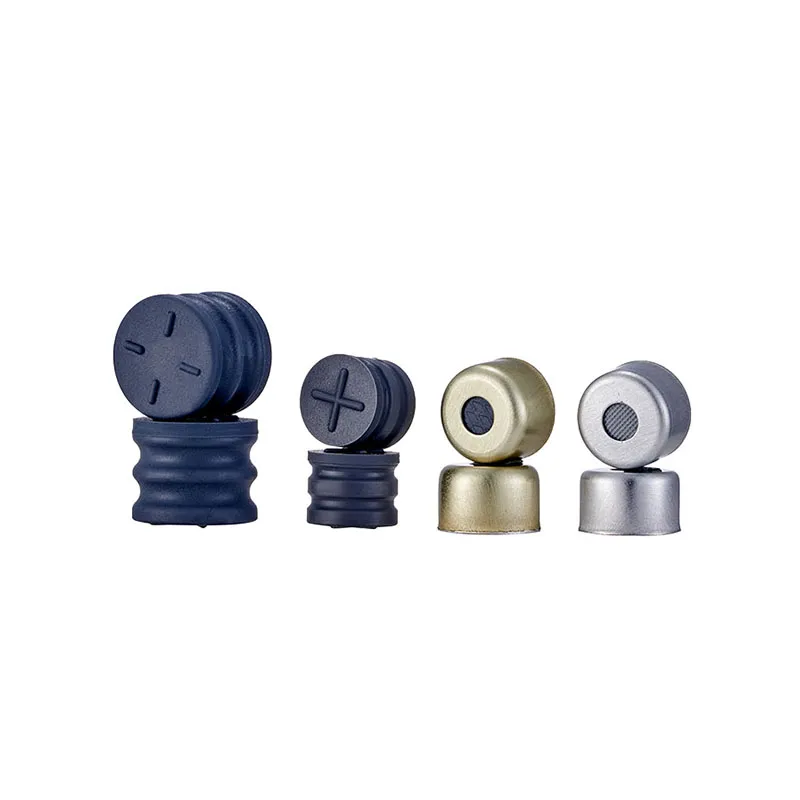
Tapones de caucho bromobutílico y clorobutílico · Tapones de plástico y aluminio con cierre a presión · Rendimiento de sellado fiable · Varios tamaños y opciones personalizadas
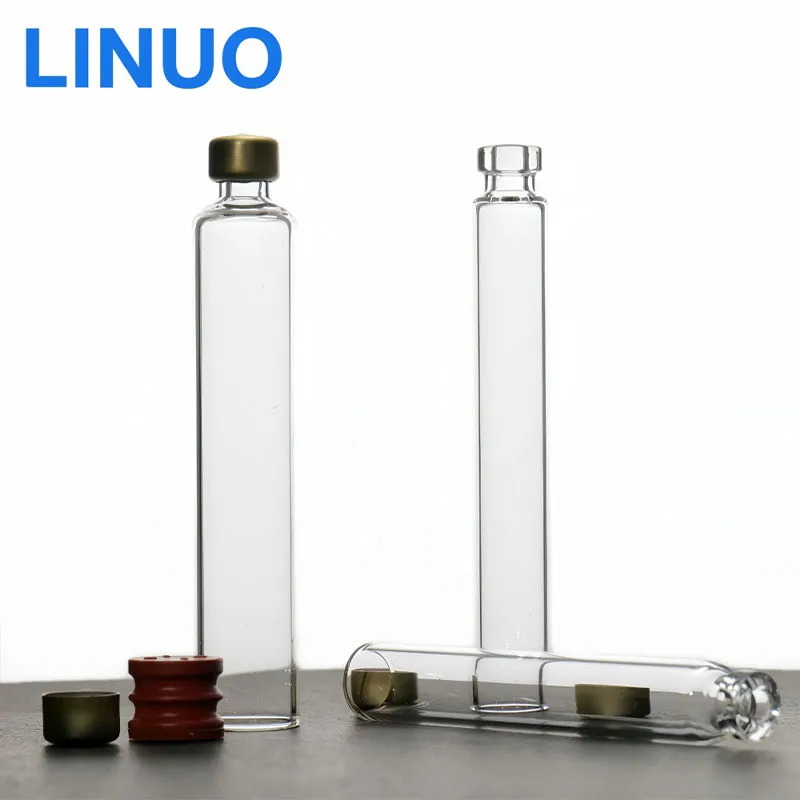
Cartuchos de vidrio RTU · Llenado directo · Procesamiento aséptico
Te responderemos en un plazo de 24 horas. Si se trata de un caso urgente, añadenos en WhatsApp o WeChat: +8615953131507, o llama directamente al +8618615646416.
*Respetamos su confidencialidad y toda la información está protegida.
Solo utilizaremos su información para responder a su consulta y nunca enviaremos correos electrónicos no solicitados ni mensajes promocionales.