








Protect and identify the shipment
Confirm tray supports, specified protective inserts, sterile-barrier layers, cartons and pallet labels against the selected SKU's pack specification.

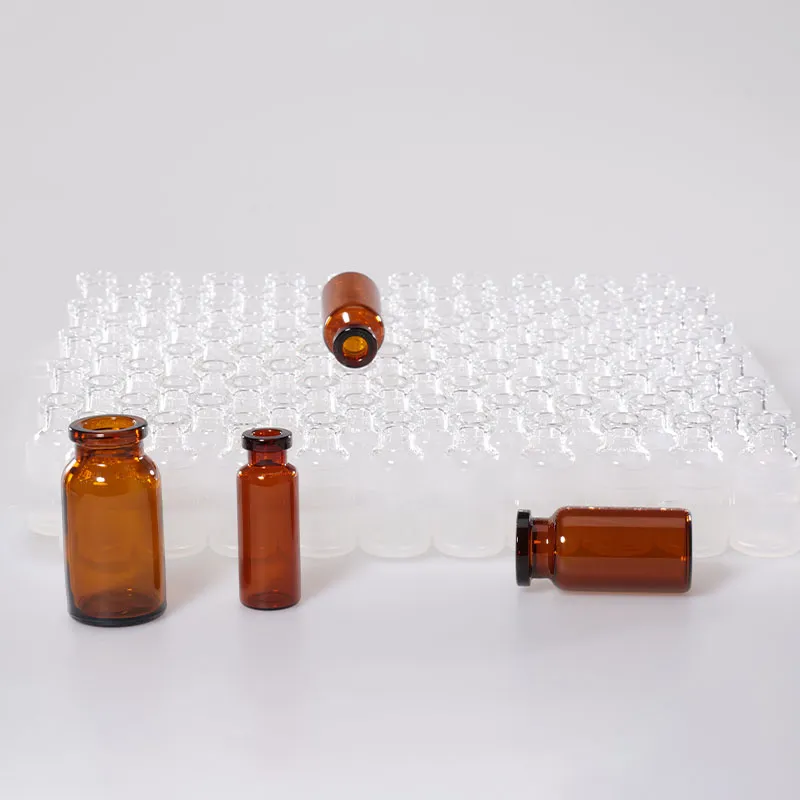
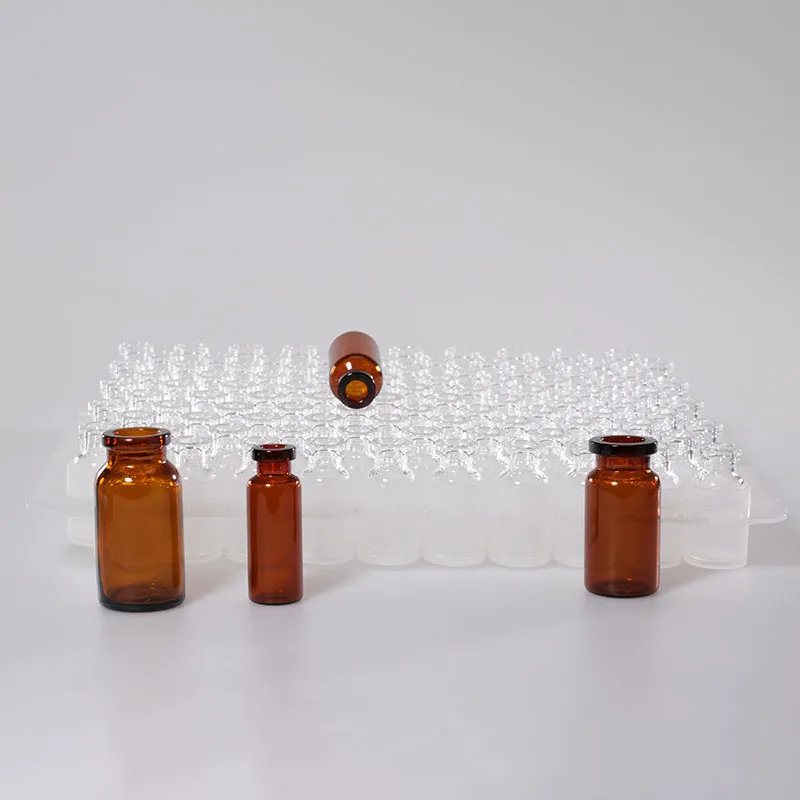
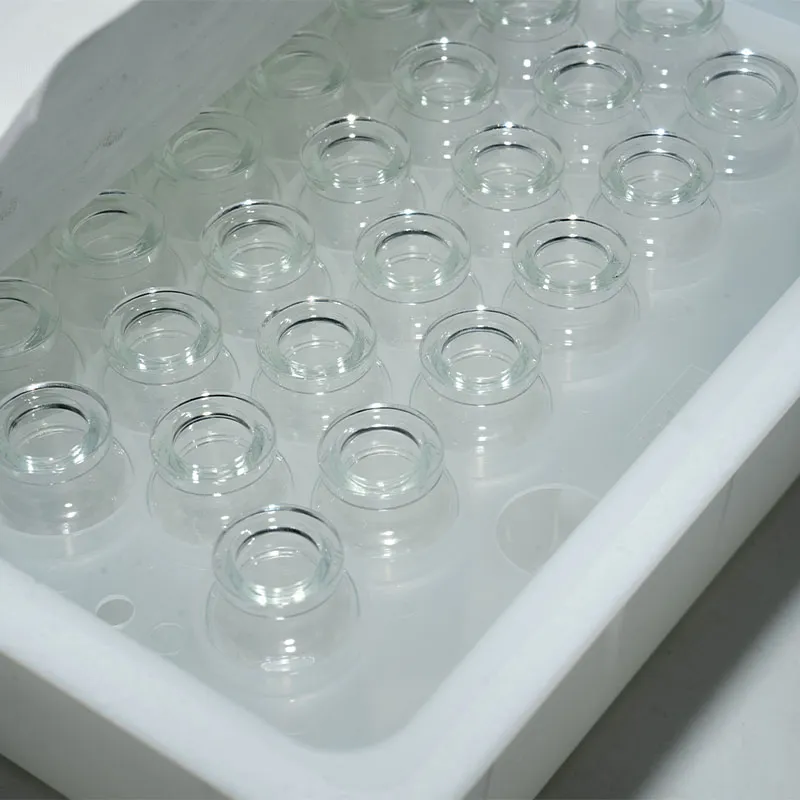
2R, 4R, 6R, 8R, 10R, 15R, 20R, 25R, 30R, 50R
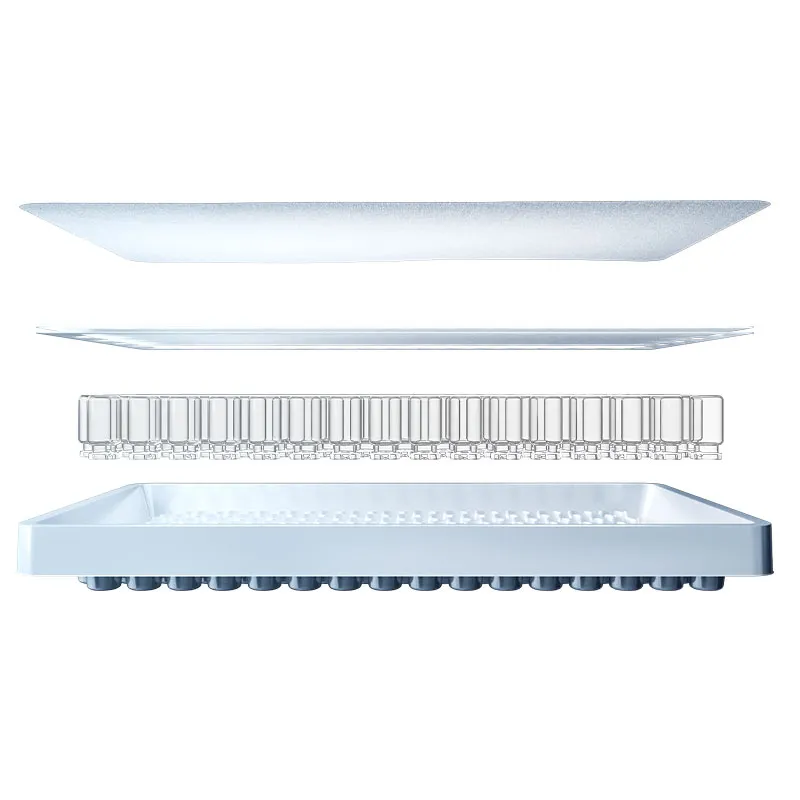
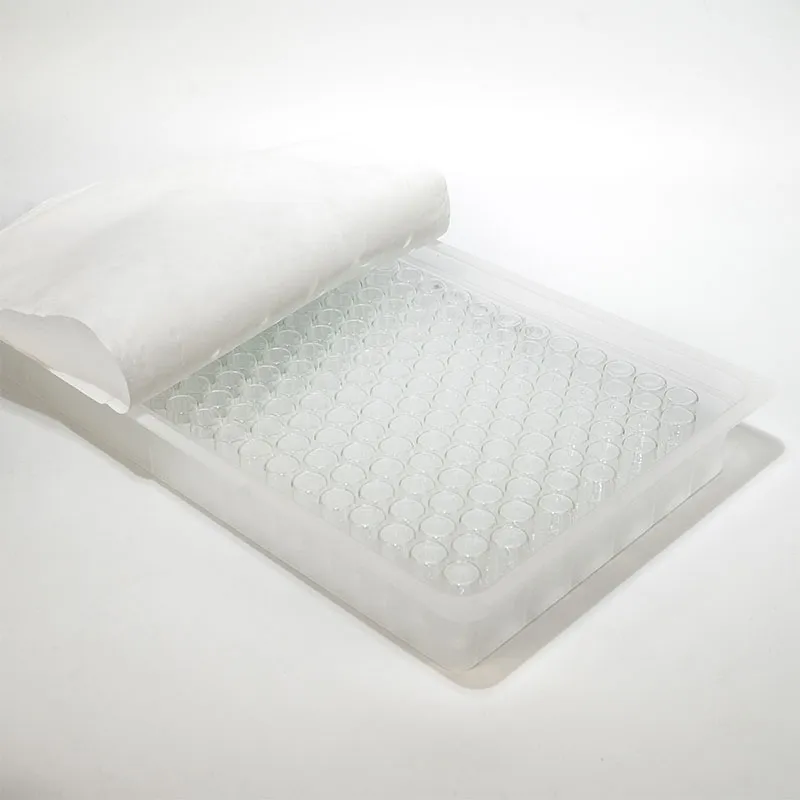
Ready-to-use tray format for flexible filling line integration Non-contact handling to help prevent glass-to-glass scratches Tyvek® double breathing bags for sterile barrier protection ETO terminal sterilization with controlled process monitoring
RTU Vials with Tray Packaging are designed for pharmaceutical manufacturers, CDMOs, and fill-finish facilities that need ready-to-use sterile vials for direct integration into aseptic filling lines.
Linuo RTU tray vials are supplied washing-free, depyrogenation-free, and pre-sterilized to help reduce in-house preparation steps, lower cleanroom workload, and support stable sterile production.
 Enquire Now Enquire Now
RTU tray supply can reduce preparation steps before filling. Confirm the required packaging removal, tray unloading, format parts and transfer sequence on the selected equipment before assigning a production speed.
Pre-sterilized vial + tray system reduces human contact exposure. Supports GMP Annex 1 compliant aseptic manufacturing environments.
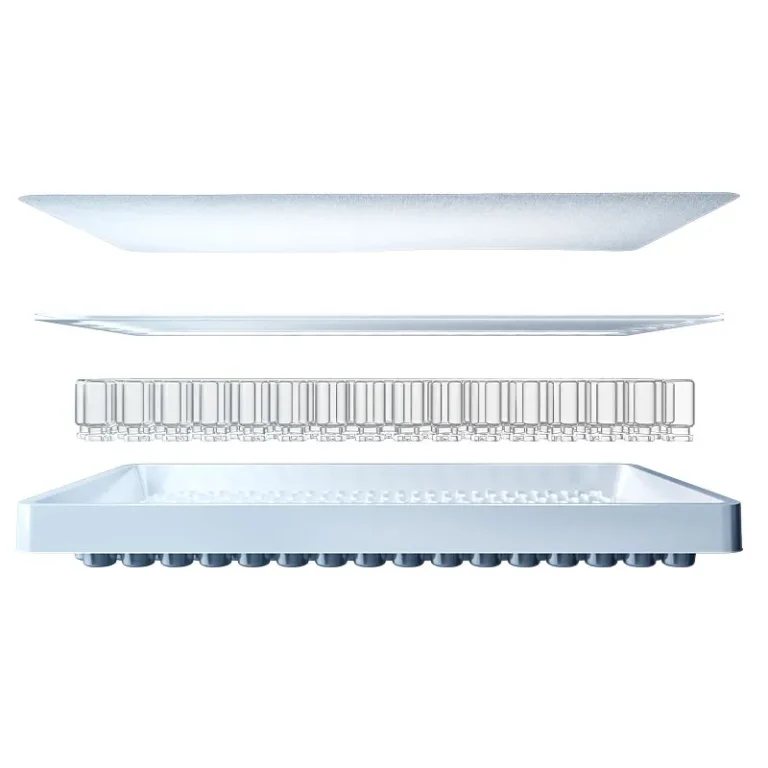
Assess the released tray configuration and its own protective packaging. Nest & Tub transport results and handling limits do not automatically apply to Tray.
Confirm tray supports, specified protective inserts, sterile-barrier layers, cartons and pallet labels against the selected SKU's pack specification.
Review drop, vibration and stacking risks, sea or air transport, moisture exposure and carrier hand-offs. Request the report and limits for this configuration.
Check accessible packaging and labels without opening the sterile barrier. Segregate affected material for QA review if bags are torn or wet, seals are damaged or labels conflict.
Request applicable transport simulation, shelf-life and package-integrity evidence by SKU and packaging revision. Use approved storage, expiry and opened-pack use instructions; no universal shelf life or time after opening is stated.
Tray support and a matched unloading sequence can help reduce unintended glass contact. Assess positioning, pickup/release, transfers and handling damage on the selected line; record breakage and interventions against agreed trial criteria.
Assess the opening and peeling sequence for particle-generation and transfer risks. Confirm packaging removal, exposed surfaces and protective handling within the site’s contamination control strategy.
Qualify the tray and vial as one configuration. Tray loading, release and downstream transfer need their own machine review and trial; Nest & Tub interface data do not establish tray compatibility.
| Requested vial format | Vial drawing | Tray interface to confirm | Qualification basis |
|---|---|---|---|
| 2R tray configuration | Confirm the tray-supplied vial SKU, body diameter, height, flange and tolerances against its released drawing. | Confirm tray L × W × H, cavity count and pitch, support/contact areas, locating datums, stack separation and pickup/release clearance. | Request the configuration-specific tray drawing and sample plan. Nest dimensions and position counts are not applicable. |
| 6R tray configuration | Confirm the tray-supplied vial SKU, body diameter, height, flange and tolerances against its released drawing. | Confirm tray L × W × H, cavity count and pitch, support/contact areas, locating datums, stack separation and pickup/release clearance. | Request the configuration-specific tray drawing and sample plan. Nest dimensions and position counts are not applicable. |
| 10R tray configuration | Confirm the tray-supplied vial SKU, body diameter, height, flange and tolerances against its released drawing. | Confirm tray L × W × H, cavity count and pitch, support/contact areas, locating datums, stack separation and pickup/release clearance. | Request the configuration-specific tray drawing and sample plan. Nest dimensions and position counts are not applicable. |
The available 2R/6R/10R source documents describe Nest & Tub supply. No tray dimensions, cavity counts or rated line speed are inferred from them. Confirm the tray SKU and released interface drawing before ordering format parts.
Record the filling-line OEM, model, software or recipe revision, target speed in vials/min and current format-part IDs. Agree the SKU-specific CAD revision, sample quantity and acceptance criteria before the trial.
Confirm bag opening, tray separation, vial pickup or release, support surfaces and transfer into the line. Assess de-nesting only if the selected system includes a nest; otherwise validate the actual tray-unloading method. Record tipping, jams, glass contact and interventions.
Verify filling-needle alignment, fill accuracy and stopper feeding. For lyophilized products, assess partial stoppering, transfer to the lyophilizer, shelf or carrier interface and final stoppering under the agreed process.
Check cap and stopper fit, crimp settings, inspection and reject handling. Record actual throughput, run duration, sample count, breakage, cosmetic defects and deviations against the pre-agreed limits.
Compatibility is established for the tested vial SKU, packaging revision, closure system, machine configuration and operating range. An equipment trial does not replace aseptic process validation, formulation compatibility studies or container-closure integrity testing of the filled and closed product.
Eliminates washing, depyrogenation, and sorting processes. Reduces CAPEX, cleanroom footprint, and operational maintenance cost.
Manufactured under ISO 15378 pharmaceutical packaging standards. Fully suitable for global regulated pharmaceutical markets.
| Components | Material Description | Regulations and Standards Compliance |
|---|---|---|
| Glass injection vials | Borosilicate glass | ISO 8362-1、YBB00292005-2-2015 |
| Tray | Polypropylene (PP) | ISO 10993 USP |
| Tyvek® inlay | Tyvek®: PE-HD fiber | ISO 10993-5 |
| Tyvek® seal | Tyvek®: PE-HD fiber and hot melt adhesive | ISO 10993-5 |
| Sterilized bags | Double bag:low-density polyethylene (LDPE) ang Tyvek® |
ISO10993-5 |
| Sterilization method | ETO | ISO17665-1 GB 18279.1-2015 GB/T 18279.2-2015 |
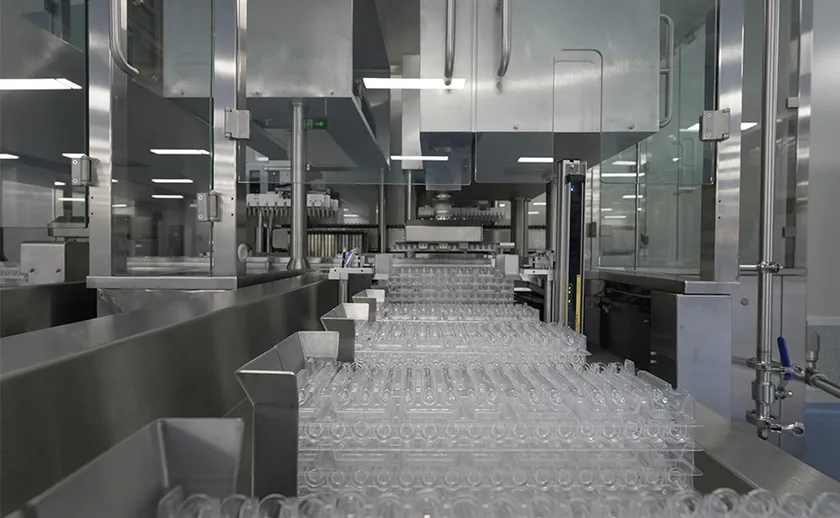
Automatic feeding
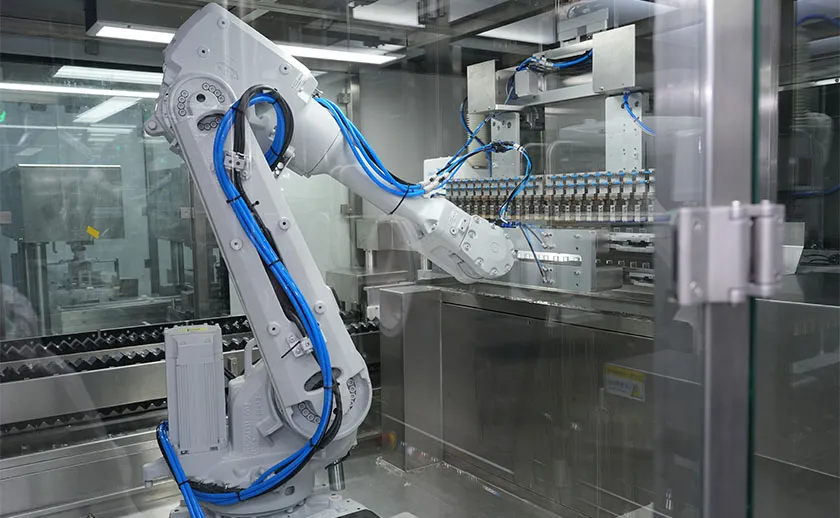
Ultrasonic Cleaning & WFI Rinsing
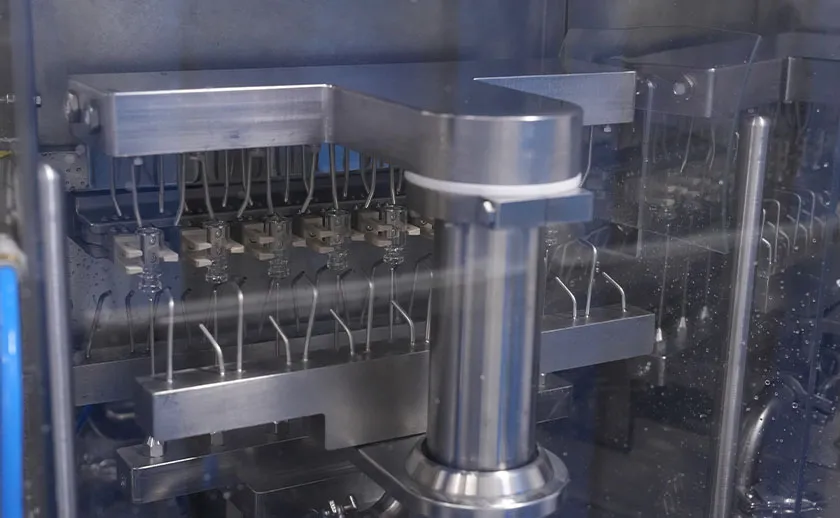
Tunnel Hot Air Drying
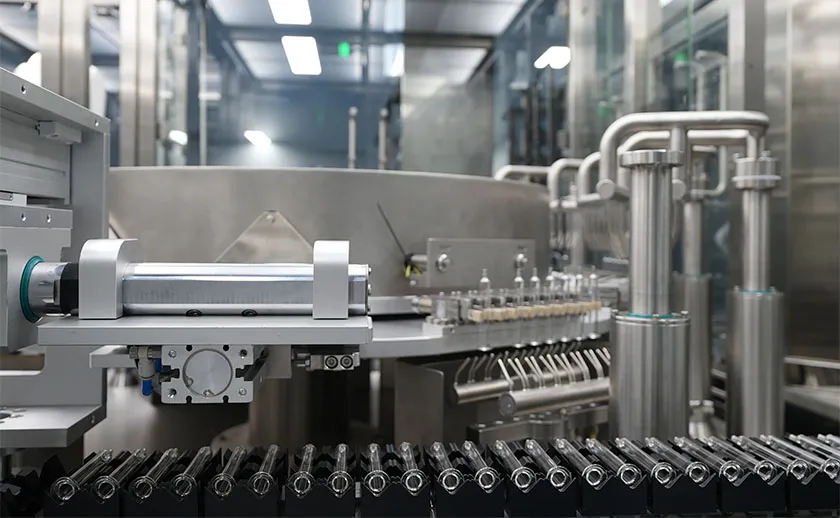
Siliconization Treatment
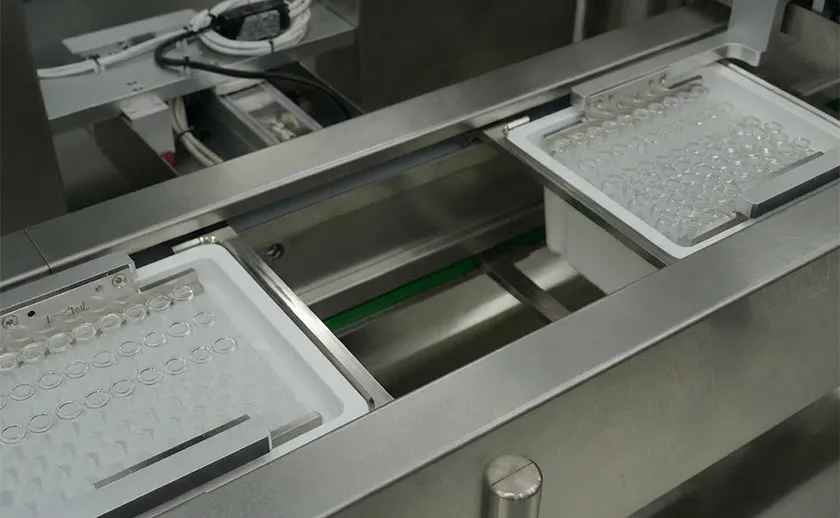
Batch Loading Tray Loading System
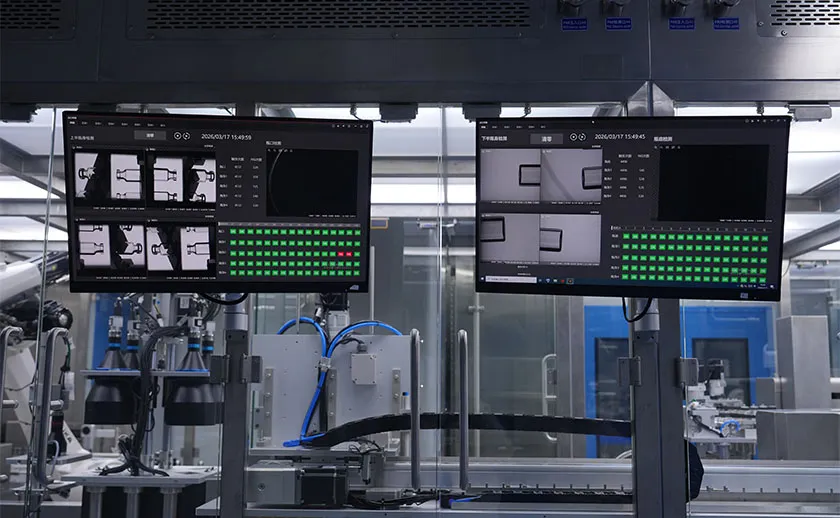
AI Vision Inspection
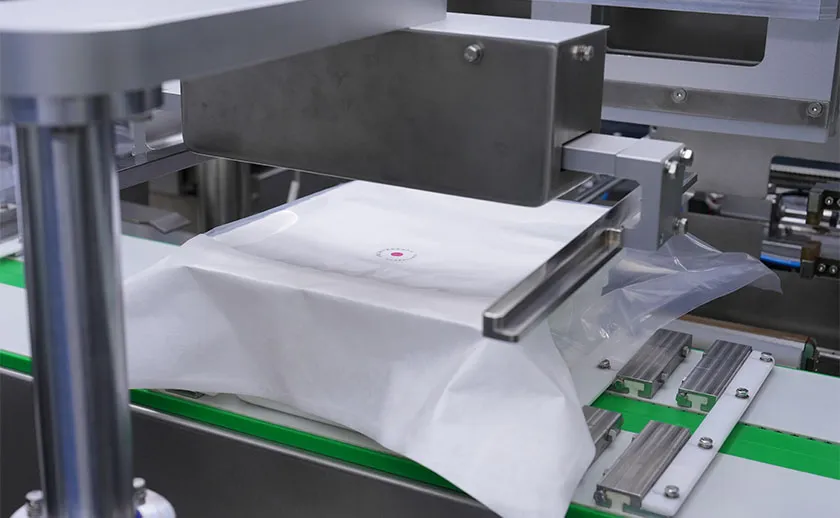
Double-Layer Packaging
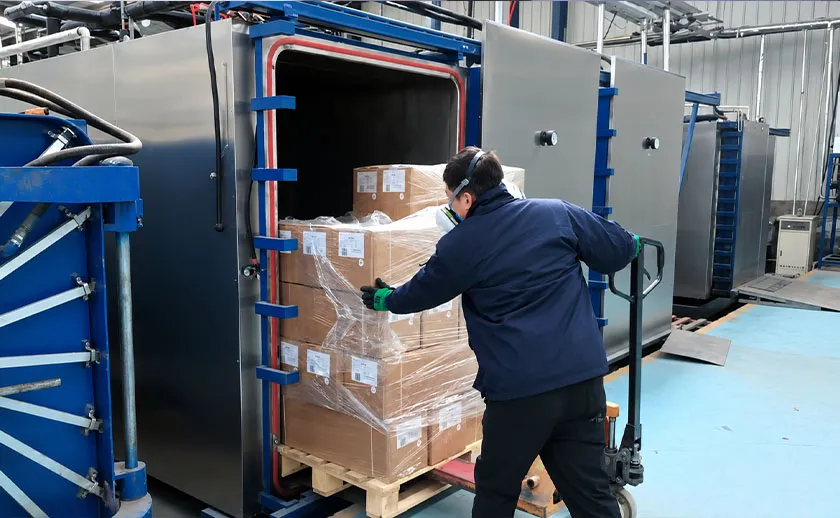
Ethylene Oxide (EtO) Sterilization
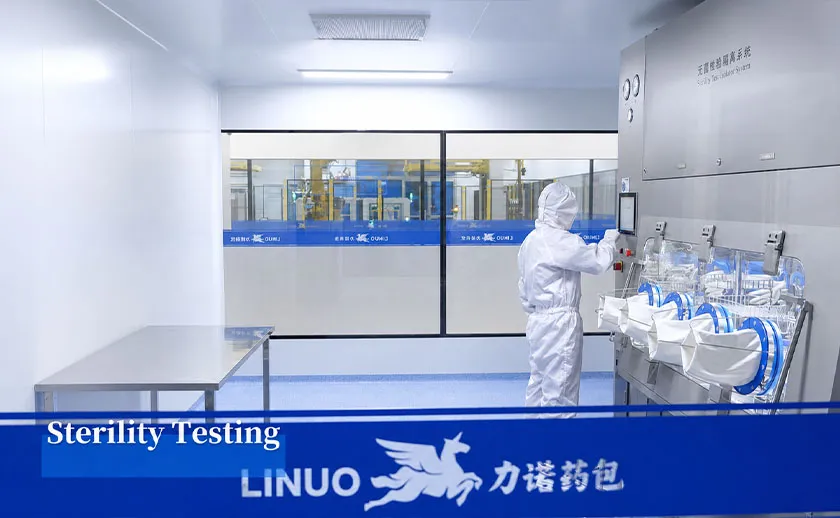
Sterility Testing
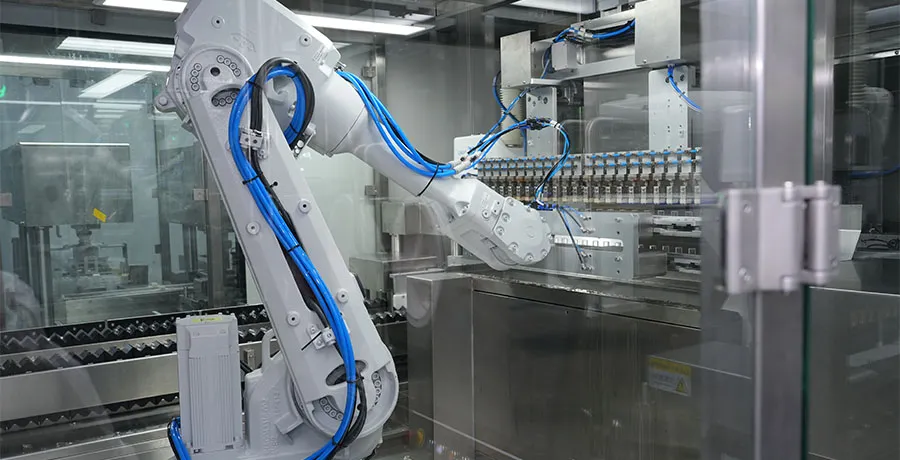
Advanced multi-stage cleaning system designed for pharmaceutical glass packaging, ensuring high cleanliness, low particulate levels, and endotoxin control compliant with injectable standards.
6× Air Blowing (Ionized air for macro-particle removal)
2× Purified Water Rinsing (Chemical residue removal)
2× WFI Rinsing (Endotoxin and pyrogen control)

Our sterilization process is rigorously monitored to ensure absolute safety and 100% sterility:
Temp: 30–60 ℃
ETO Conc.: 250–1200 mg/L
Time: 4–12 Hours
Humidity: 30%–80% RH
Pre-vacuum Leak Alert: > 3KPa / min pressure change triggers immediate auto-stop.
Safe Release: Door opens only when internal pressure is within 5KPa of atmospheric pressure.

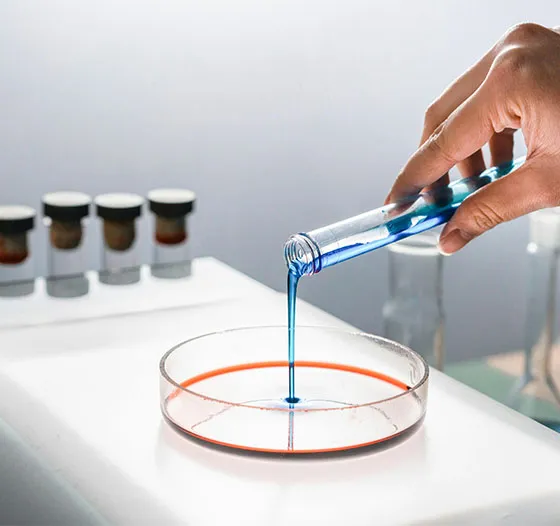
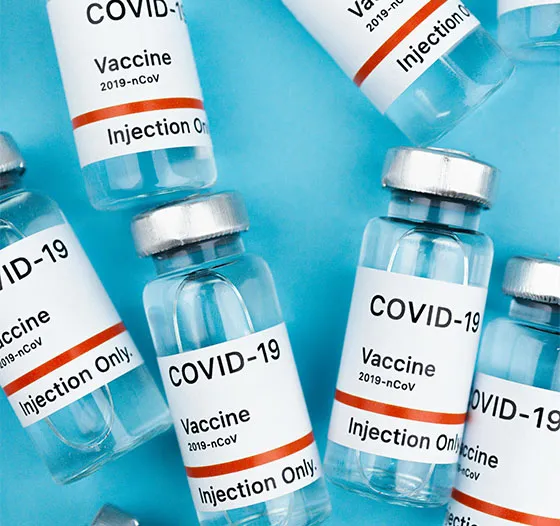
Vaccine Field
Blood Products
Biopharmaceutical Field

High-Value Innovative Drugs

Aesthetic Medicine
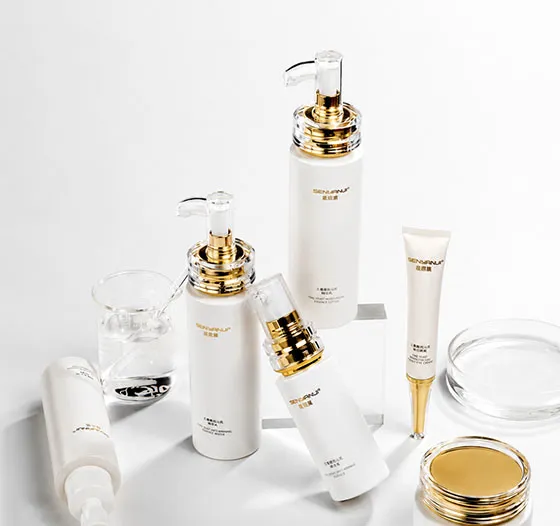
High-End Cosmetics
Custom c apacity (0.1ml–50ml+), diameter, height, wall thickness
Silk-screen, HD printing, laser coding, hot stamping
Hydrophobic inner surface; UV-blocking or anti-friction outer coating
Bulk/RTU nest-and-tub /RFF; ETO sterilization available
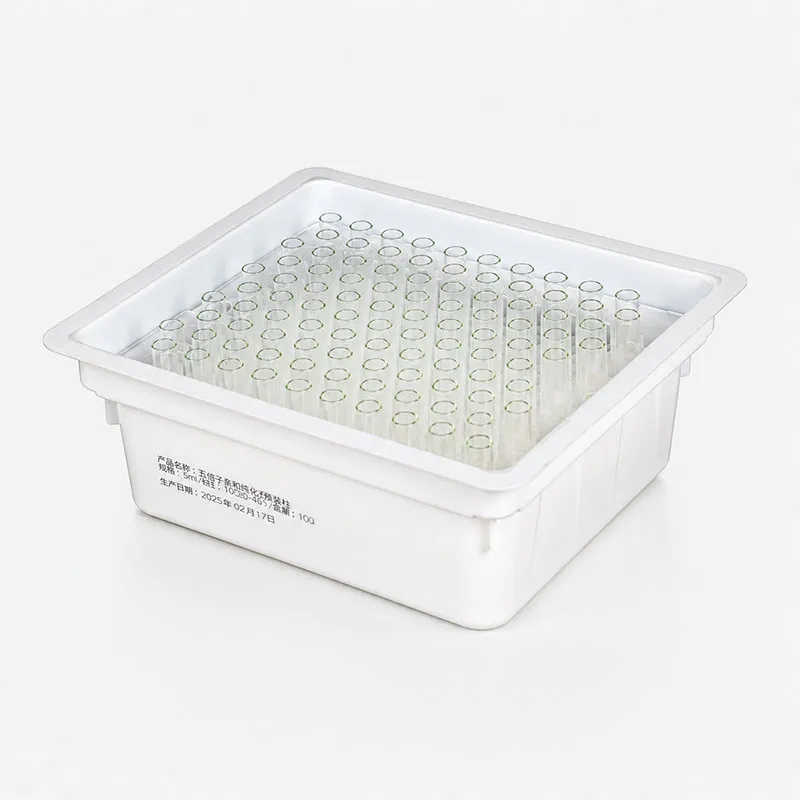
RTU Glass Cartridges · Direct-to-Filling · Aseptic Processing
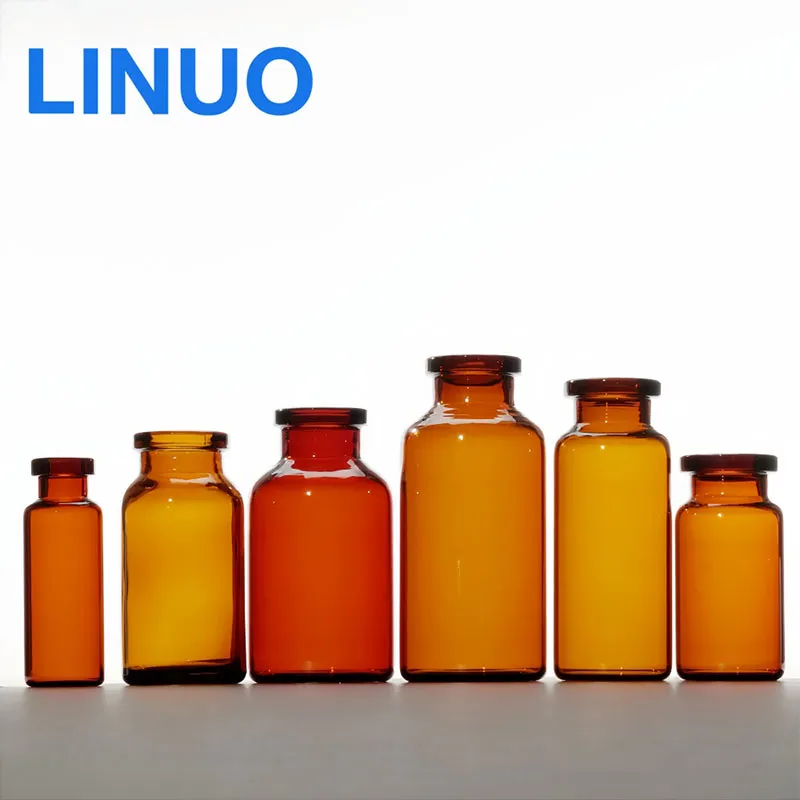
Type I Borosilicate Glass · Crimp Neck · Injectable Packaging · Clear/Amber
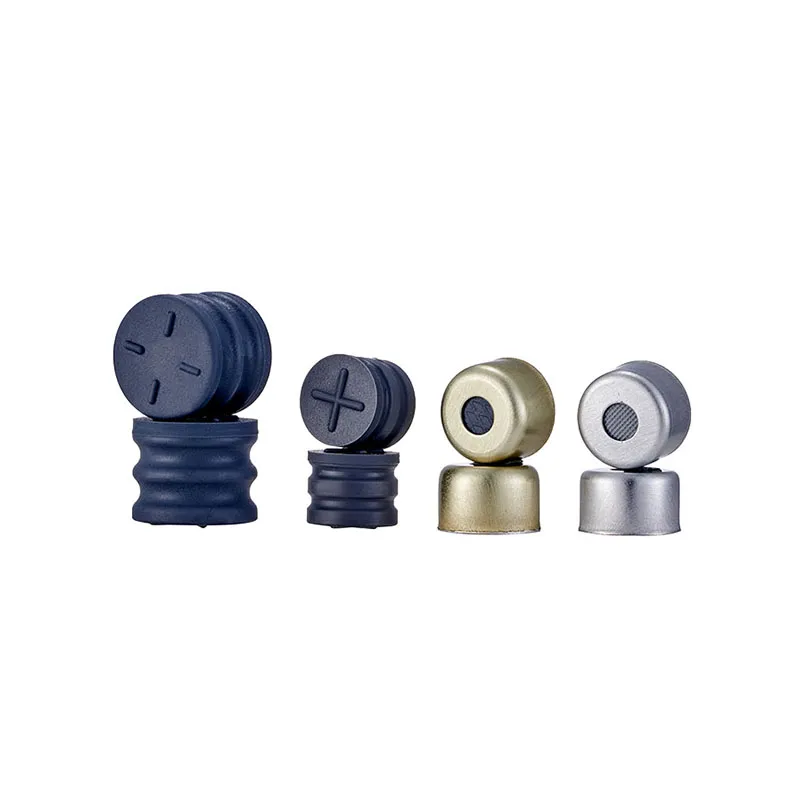
Bromobutyl & Chlorobutyl Rubber Stoppers · Plastic-Alu Flip-Off Caps · Reliable Sealing Performance · Multiple Sizes & Custom Options
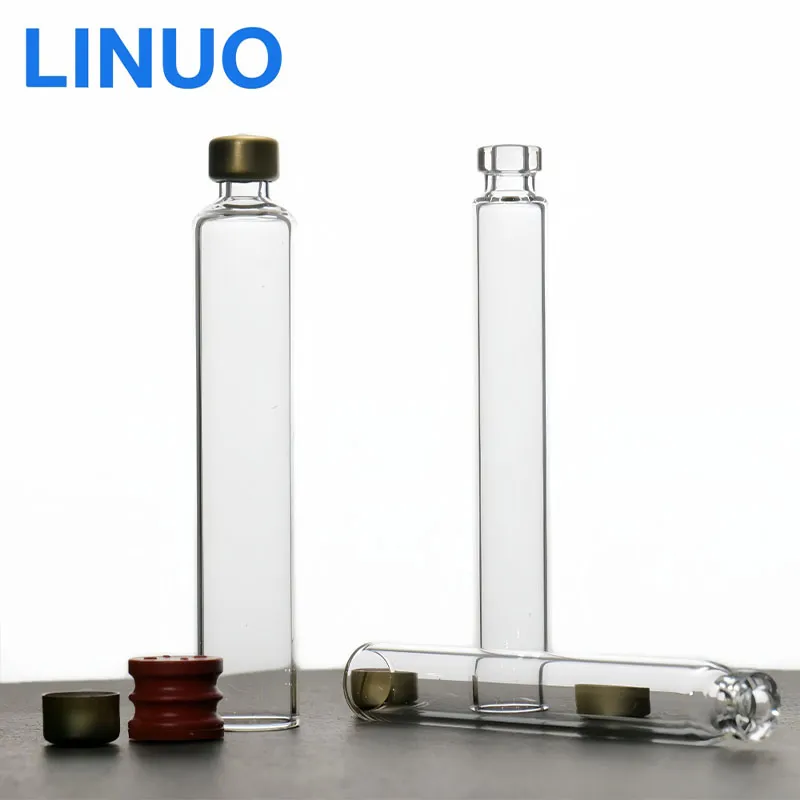
RTU Glass Cartridges · Direct-to-Filling · Aseptic Processing
We will reply to you within 24 hours. If for urgent case, please add WhatsApp/WeChat: +8615953131507, Or call +8618615646416 directly.
*We respect your confidentiality and all information are protected.
We will only use your information to respond to your inquiry and will never send unsolicited emails or promotional messages.