







Protect and identify the shipment
Confirm tray supports, specified protective inserts, sterile-barrier layers, cartons and pallet labels against the selected SKU's pack specification.

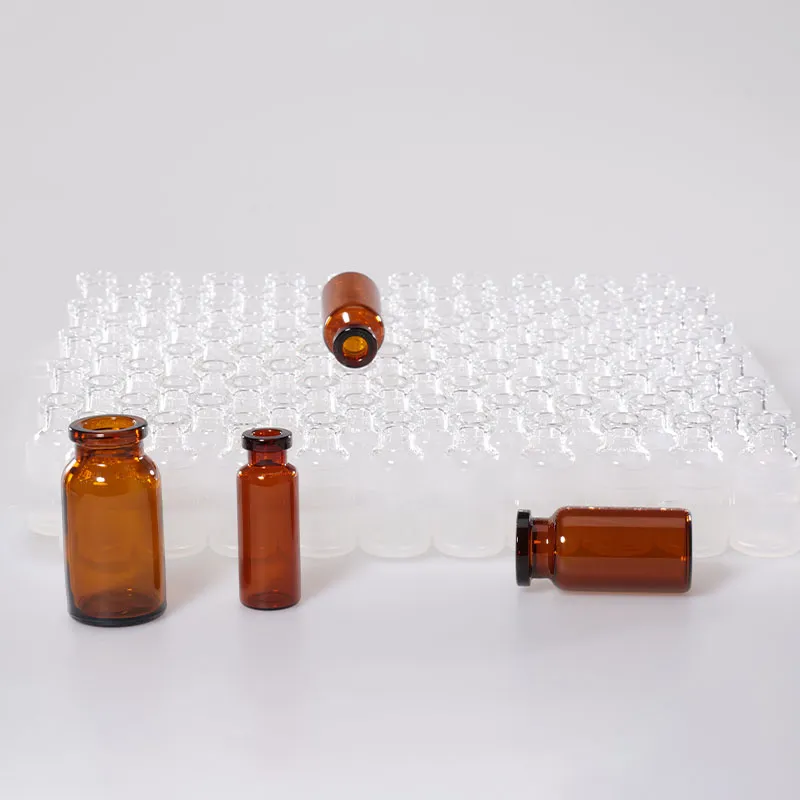
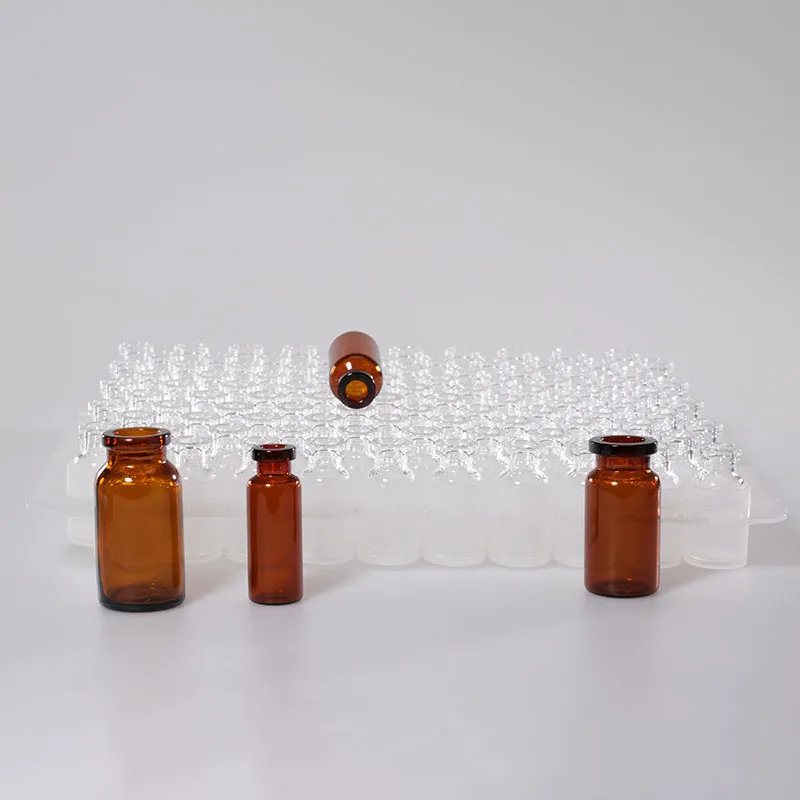
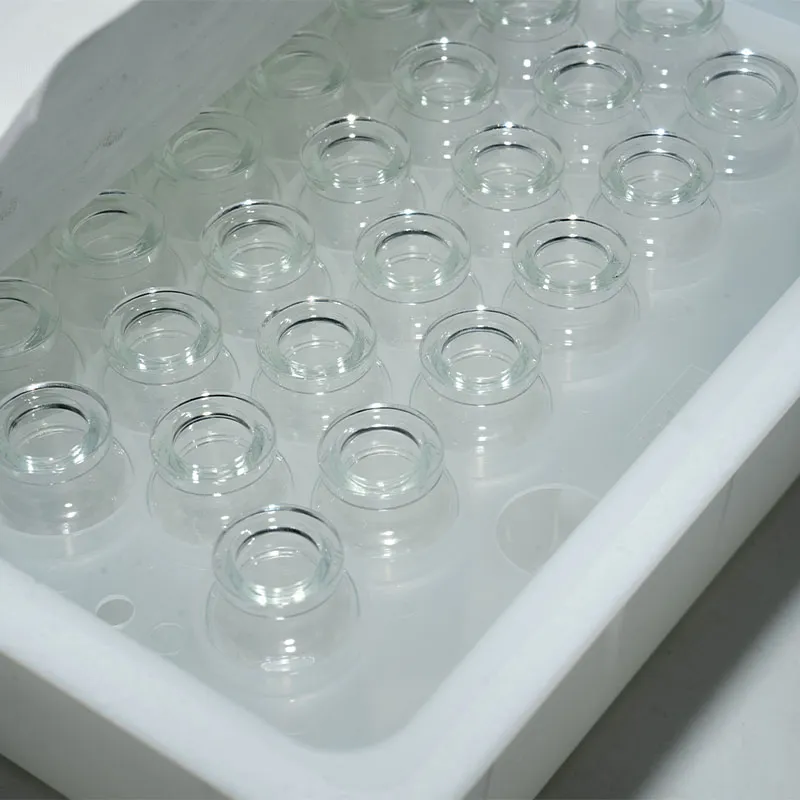
2R, 4R, 6R, 8R, 10R, 15R, 20R, 25R, 30R, 50R
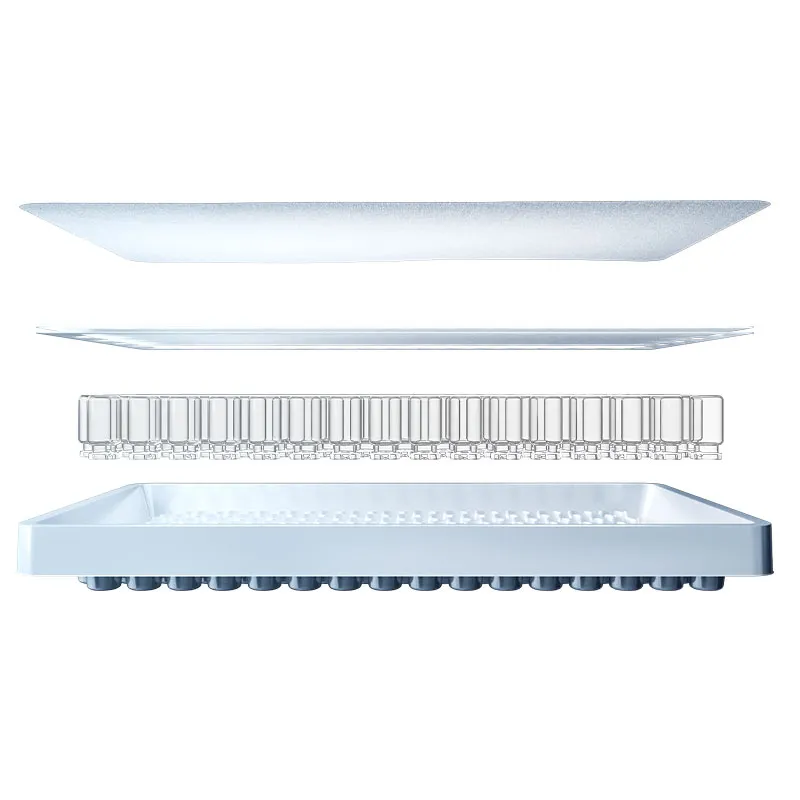
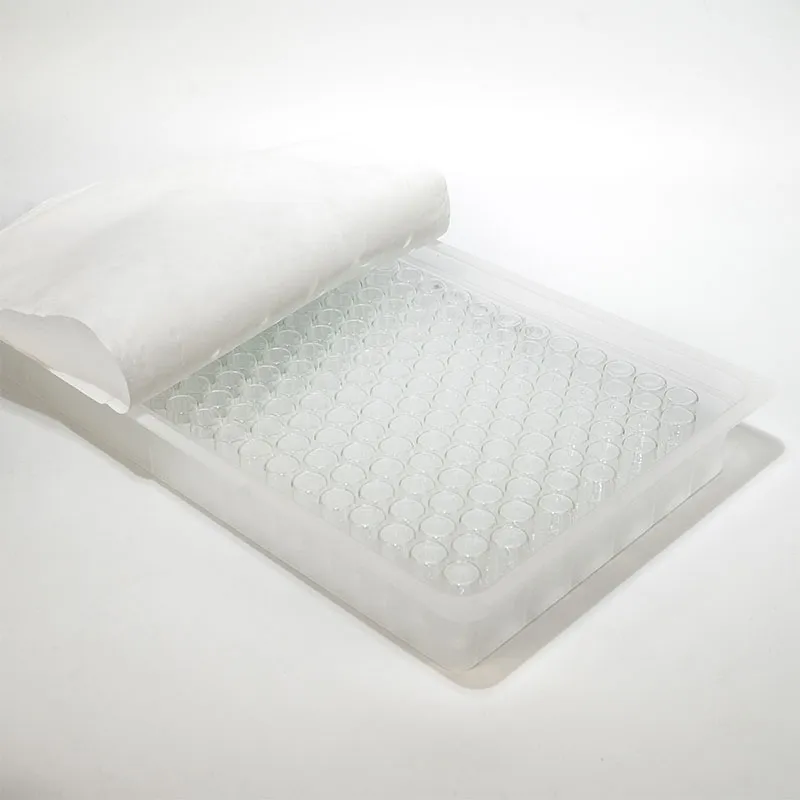
Format en plateaux prêts à l'emploi pour une intégration flexible des lignes de remplissage Manipulation sans contact pour aider à prévenir les rayures verre contre verre Sachets respirants doubles Tyvek® pour une protection de barrière stérile Stérilisation terminale ETO avec surveillance contrôlée du processus
Les flacons RTU avec emballage en plateau sont conçus pour les fabricants pharmaceutiques, les CDMO et les installations de remplissage-finition qui nécessitent des flacons stériles prêts à l'emploi pour une intégration directe dans les lignes de remplissage aseptique.
Les flacons en plateau RTU Linuo sont fournis sans lavage, sans dépyrogénation et pré-stérilisés pour aider à réduire les étapes de préparation en interne, diminuer la charge de travail en salle blanche et soutenir une production stérile stable.
 Demander maintenant Demander maintenant
RTU tray supply can reduce preparation steps before filling. Confirm the required packaging removal, tray unloading, format parts and transfer sequence on the selected equipment before assigning a production speed.
Le système de flacons et de barquettes pré-stérilisés réduit l’exposition au contact humain. Il est adapté aux environnements de fabrication aseptique conformes à l’Annexe 1 des BPF.
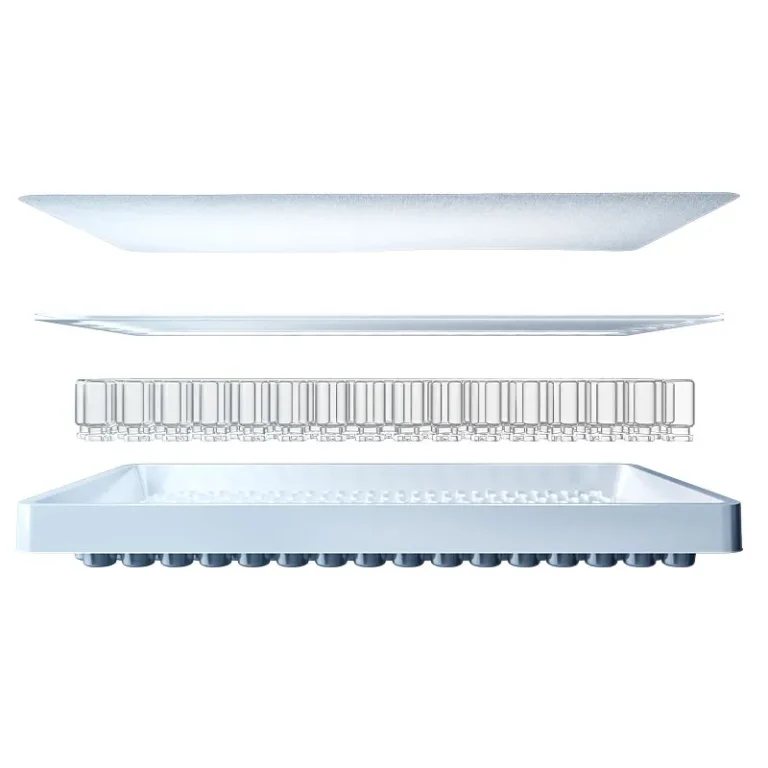
Assess the released tray configuration and its own protective packaging. Nest & Tub transport results and handling limits do not automatically apply to Tray.
Confirm tray supports, specified protective inserts, sterile-barrier layers, cartons and pallet labels against the selected SKU's pack specification.
Review drop, vibration and stacking risks, sea or air transport, moisture exposure and carrier hand-offs. Request the report and limits for this configuration.
Check accessible packaging and labels without opening the sterile barrier. Segregate affected material for QA review if bags are torn or wet, seals are damaged or labels conflict.
Request applicable transport simulation, shelf-life and package-integrity evidence by SKU and packaging revision. Use approved storage, expiry and opened-pack use instructions; no universal shelf life or time after opening is stated.
Tray support and a matched unloading sequence can help reduce unintended glass contact. Assess positioning, pickup/release, transfers and handling damage on the selected line; record breakage and interventions against agreed trial criteria.
Assess the opening and peeling sequence for particle-generation and transfer risks. Confirm packaging removal, exposed surfaces and protective handling within the site’s contamination control strategy.
Qualify the tray and vial as one configuration. Tray loading, release and downstream transfer need their own machine review and trial; Nest & Tub interface data do not establish tray compatibility.
| Requested vial format | Vial drawing | Tray interface to confirm | Qualification basis |
|---|---|---|---|
| 2R tray configuration | Confirm the tray-supplied vial SKU, body diameter, height, flange and tolerances against its released drawing. | Confirm tray L × W × H, cavity count and pitch, support/contact areas, locating datums, stack separation and pickup/release clearance. | Request the configuration-specific tray drawing and sample plan. Nest dimensions and position counts are not applicable. |
| 6R tray configuration | Confirm the tray-supplied vial SKU, body diameter, height, flange and tolerances against its released drawing. | Confirm tray L × W × H, cavity count and pitch, support/contact areas, locating datums, stack separation and pickup/release clearance. | Request the configuration-specific tray drawing and sample plan. Nest dimensions and position counts are not applicable. |
| 10R tray configuration | Confirm the tray-supplied vial SKU, body diameter, height, flange and tolerances against its released drawing. | Confirm tray L × W × H, cavity count and pitch, support/contact areas, locating datums, stack separation and pickup/release clearance. | Request the configuration-specific tray drawing and sample plan. Nest dimensions and position counts are not applicable. |
The available 2R/6R/10R source documents describe Nest & Tub supply. No tray dimensions, cavity counts or rated line speed are inferred from them. Confirm the tray SKU and released interface drawing before ordering format parts.
Record the filling-line OEM, model, software or recipe revision, target speed in vials/min and current format-part IDs. Agree the SKU-specific CAD revision, sample quantity and acceptance criteria before the trial.
Confirm bag opening, tray separation, vial pickup or release, support surfaces and transfer into the line. Assess de-nesting only if the selected system includes a nest; otherwise validate the actual tray-unloading method. Record tipping, jams, glass contact and interventions.
Verify filling-needle alignment, fill accuracy and stopper feeding. For lyophilized products, assess partial stoppering, transfer to the lyophilizer, shelf or carrier interface and final stoppering under the agreed process.
Check cap and stopper fit, crimp settings, inspection and reject handling. Record actual throughput, run duration, sample count, breakage, cosmetic defects and deviations against the pre-agreed limits.
Compatibility is established for the tested vial SKU, packaging revision, closure system, machine configuration and operating range. An equipment trial does not replace aseptic process validation, formulation compatibility studies or container-closure integrity testing of the filled and closed product.
Élimine les processus de lavage, de dépyrogénation et de tri. Réduit les dépenses d’investissement (CAPEX), l’empreinte des salles propres et les coûts de maintenance opérationnelle.
Fabriqué conformément aux normes ISO 15378 relatives aux emballages pharmaceutiques. Convient parfaitement aux marchés pharmaceutiques réglementés du monde entier.
| Composants | Description du Matériau | Conformité aux Réglementations et Normes |
|---|---|---|
| Flacons d’injection en verre | Verre borosilicaté | ISO 8362-1、YBB00292005-2-2015 |
| Plateau | Polypropylène (PP) | ISO 10993 USP |
| Insert en Tyvek® | Tyvek® : fibre de PE-HD | ISO 10993-5 |
| Opercule en Tyvek® | Tyvek® : fibre de PE-HD et adhésif thermofusible | ISO 10993-5 |
| Sachets stérilisés | Double sac : polyéthylène basse densité (PEBD) et Tyvek® |
ISO10993-5 |
| Méthode de stérilisation | ETO | ISO17665-1 GB 18279.1-2015 GB/T 18279.2-2015 |
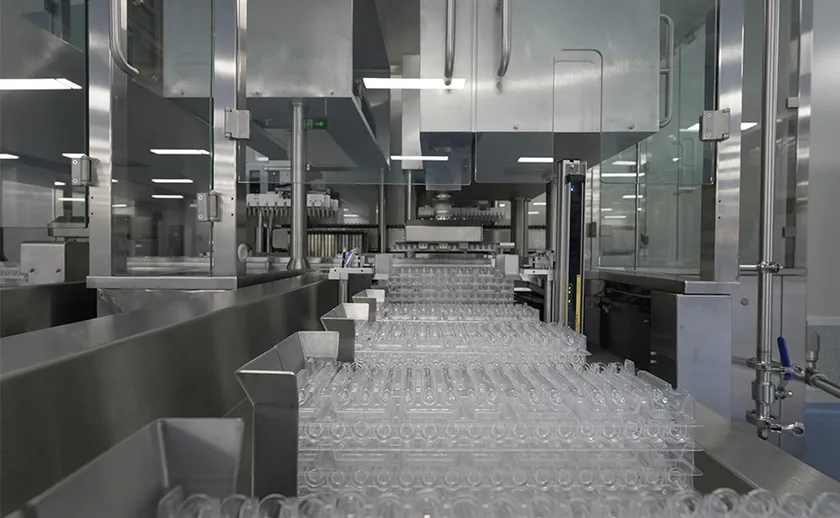
Alimentation automatique
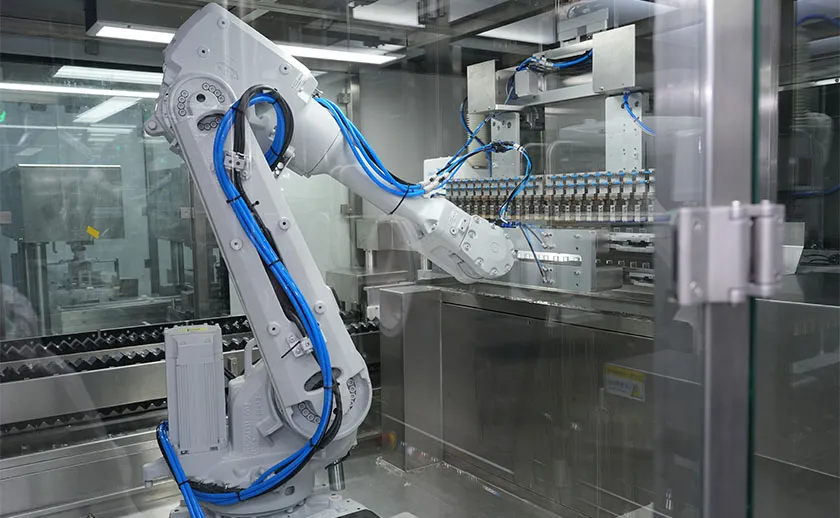
Nettoyage par ultrasons et rinçage WFI
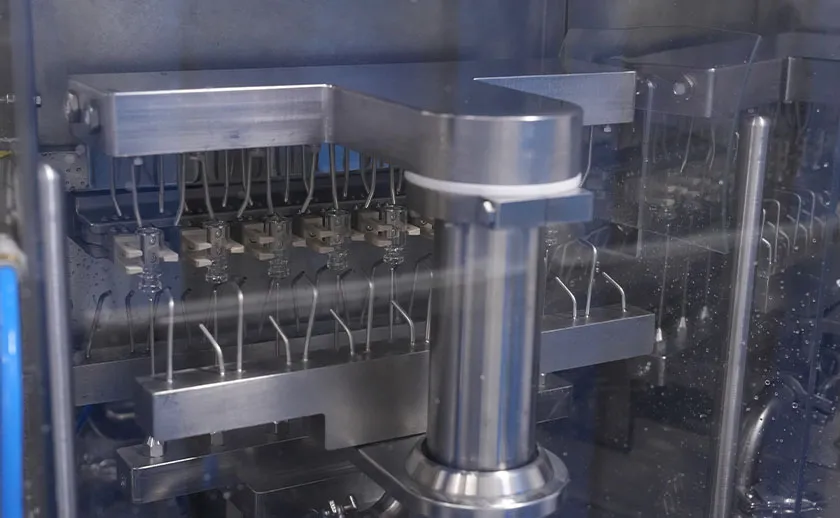
Séchage par air chaud en tunnel
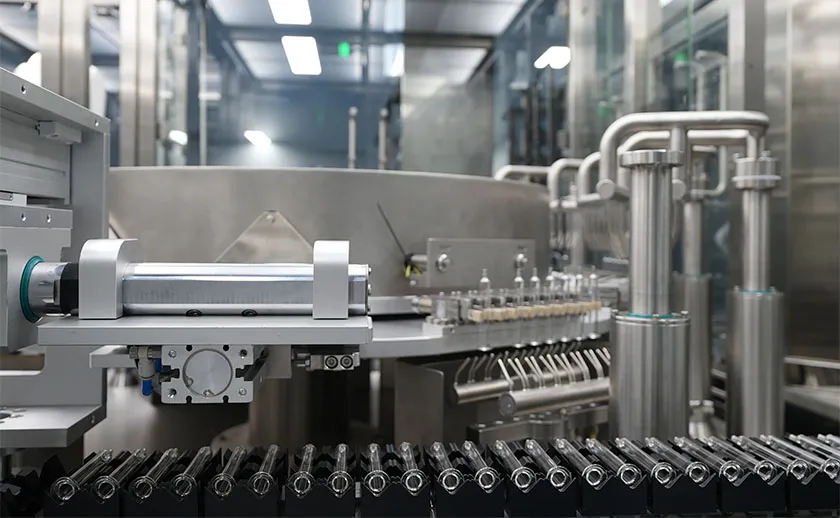
Traitement de siliconisation
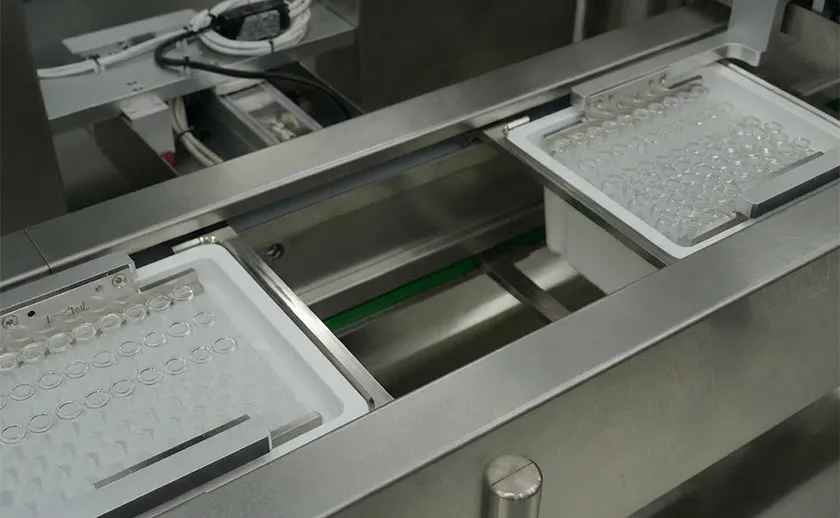
Système de chargement de plateaux par lots
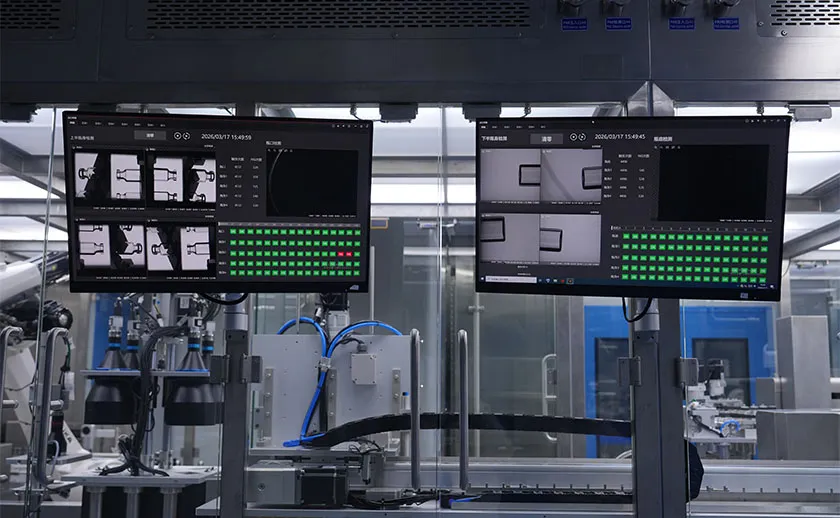
Inspection par vision artificielle
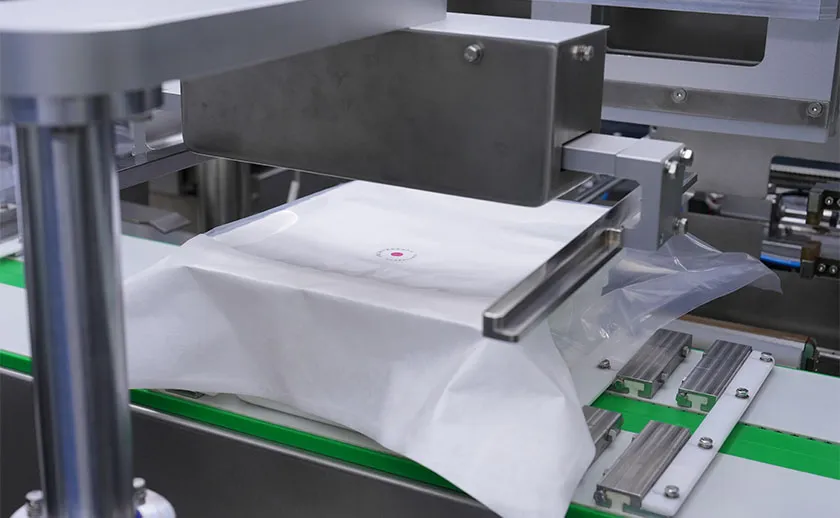
Emballage double couche
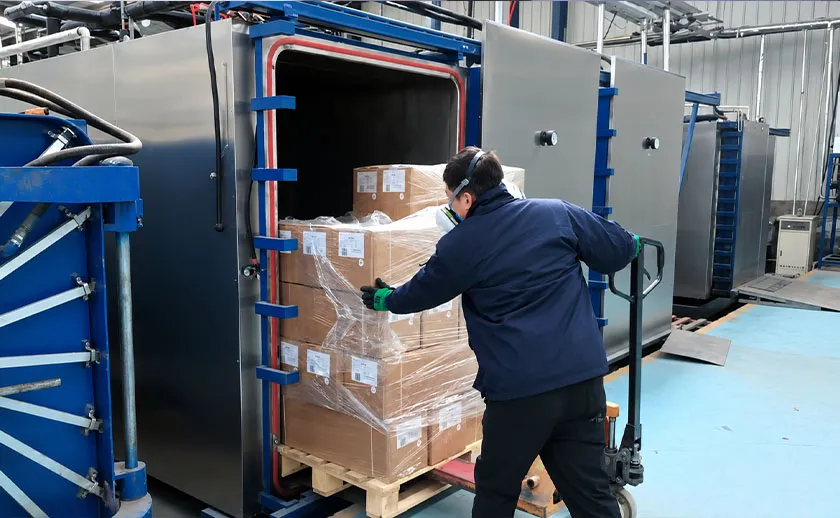
Stérilisation à l’oxyde d’éthylène (EtO)
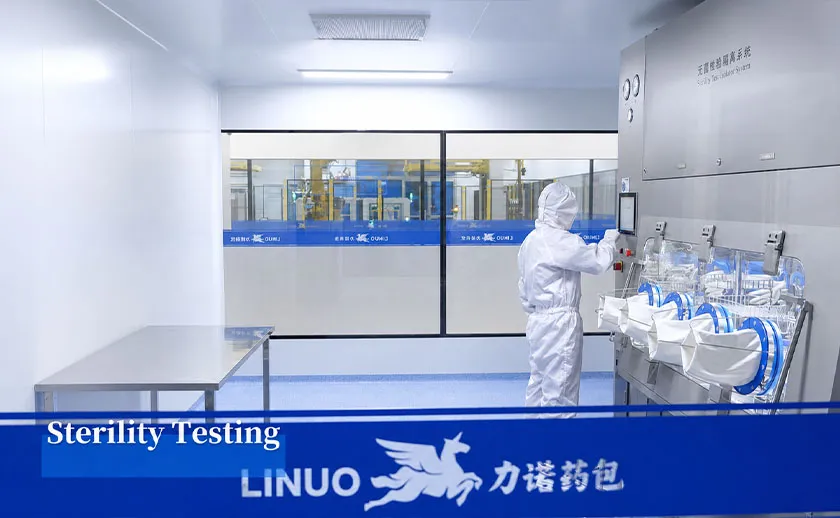
Test de stérilité
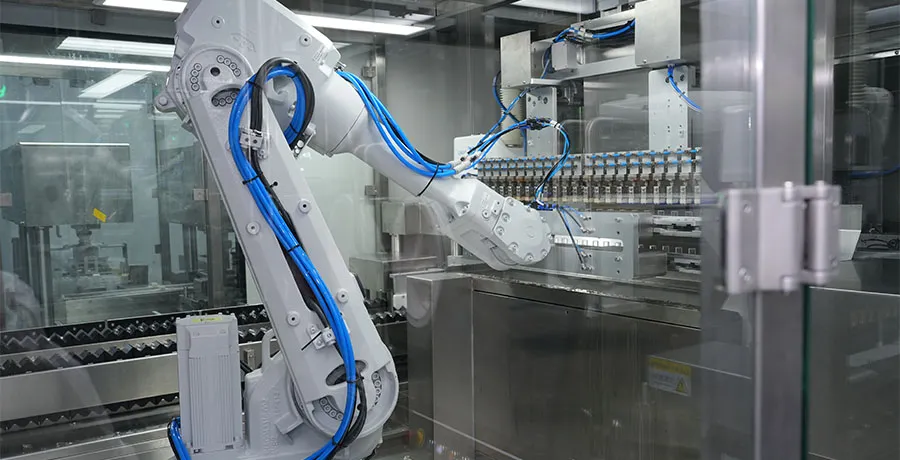
Système de nettoyage avancé multi-étapes conçu pour les emballages en verre pharmaceutique, garantissant une propreté élevée, de faibles niveaux de particules et un contrôle des endotoxines conforme aux normes injectables.
6× Soufflage d'air (air ionisé pour l'élimination des macro-particules)
2× Rinçage à l'eau purifiée (élimination des résidus chimiques)
2× Rinçage WFI (contrôle des endotoxines et des pyrogènes)
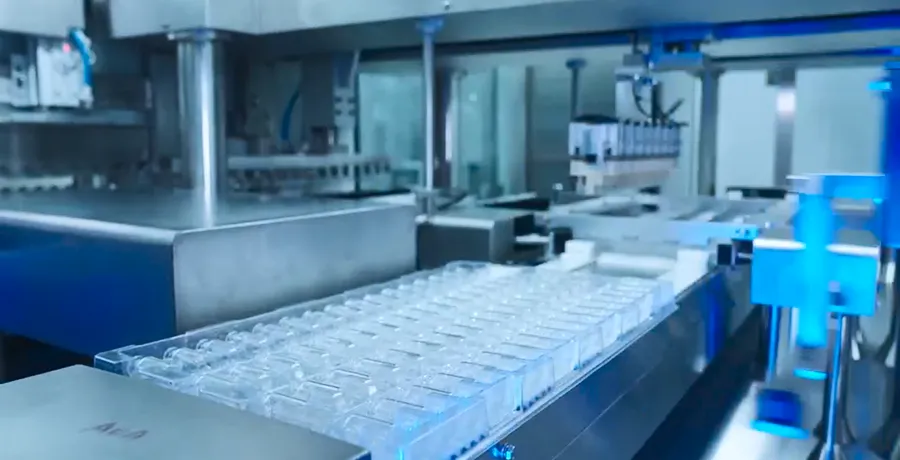
Notre processus de stérilisation est rigoureusement surveillé pour garantir une sécurité absolue et une stérilité 100% :
Temp : 30–60 ℃
Conc. ETO : 250–1200 mg/L
Durée : 4–12 heures
Humidité : 30%–80% HR
Alerte de fuite pré-vide : un changement de pression > 3 KPa / min déclenche un arrêt automatique immédiat.
Ouverture sécurisée : la porte ne s'ouvre que lorsque la pression interne se situe dans les 5 KPa de la pression atmosphérique.
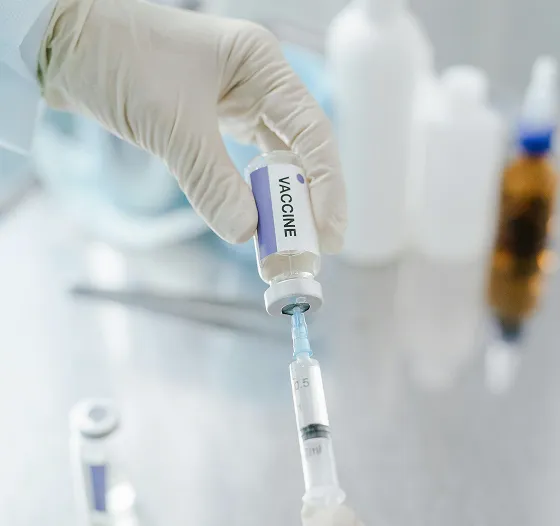
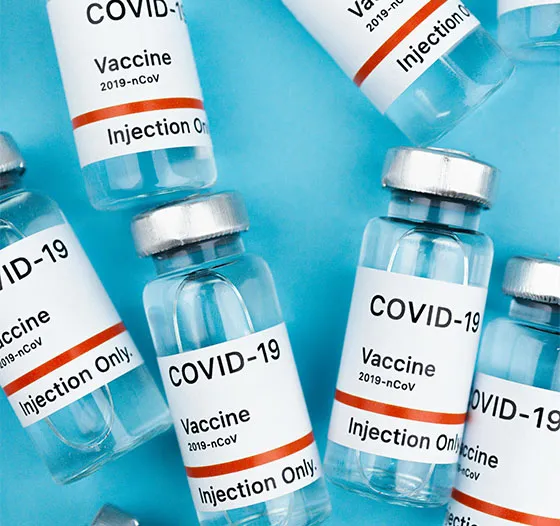
Domaine des vaccins
Produits sanguins
Domaine biopharmaceutique
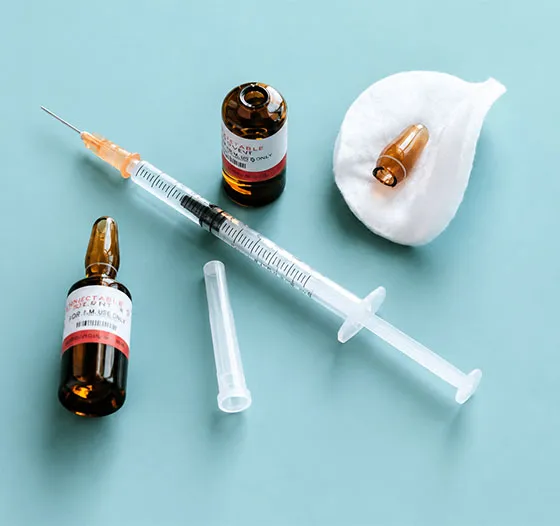
Médicaments innovants de haute valeur

Médecine Esthétique
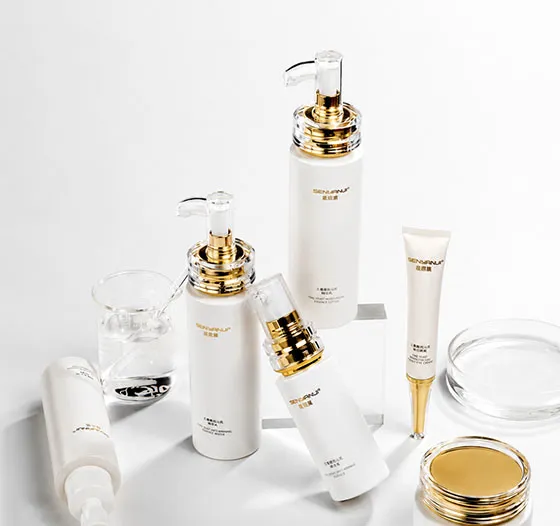
Cosmétiques Haut de Gamme
Capacité personnalisée (0,1 ml–50 ml+), diamètre, hauteur, épaisseur de paroi
Sérigraphie, impression HD, codage laser, estampage à chaud
Surface intérieure hydrophobe ; revêtement extérieur anti-UV ou anti-friction
En vrac/RTU en nid-et-bac /RFF ; stérilisation à l’ETO disponible
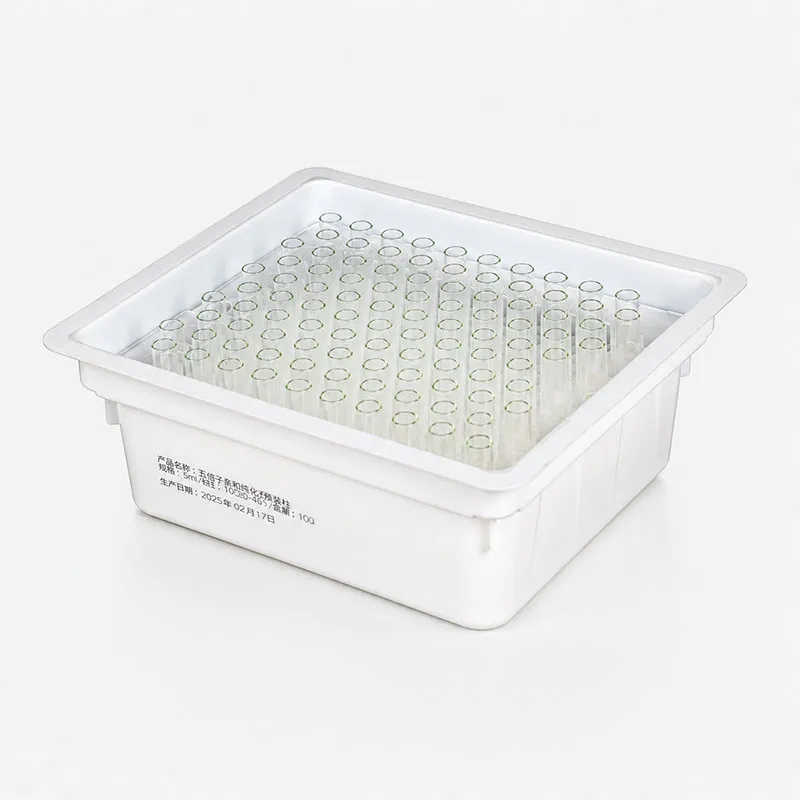
Cartouches en verre RTU · Remplissage direct · Traitement aseptique
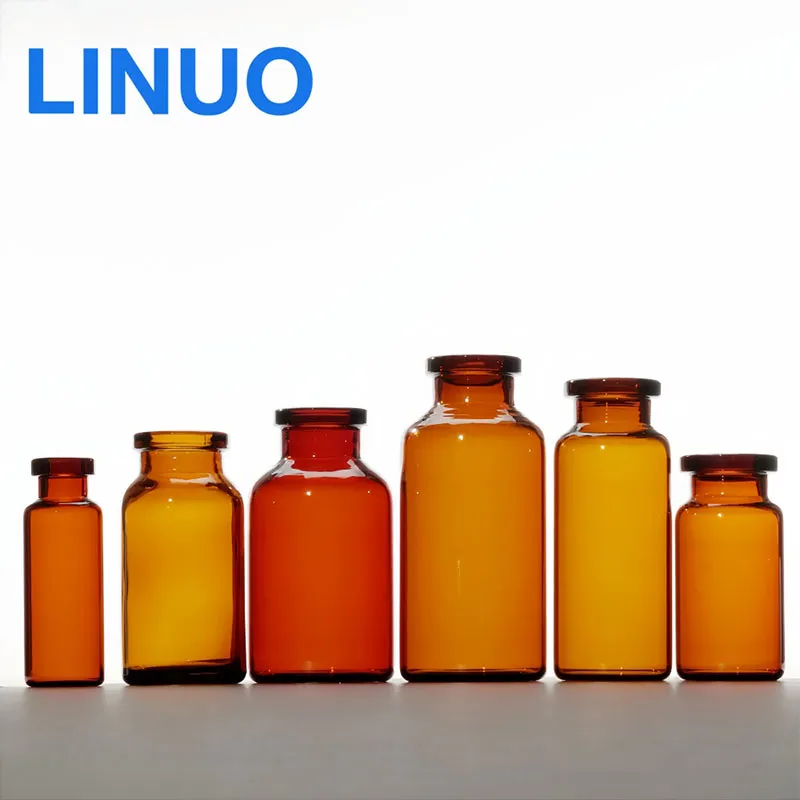
Verre borosilicaté de type I · Col à sertir · Conditionnement injectable · Transparent/ambre
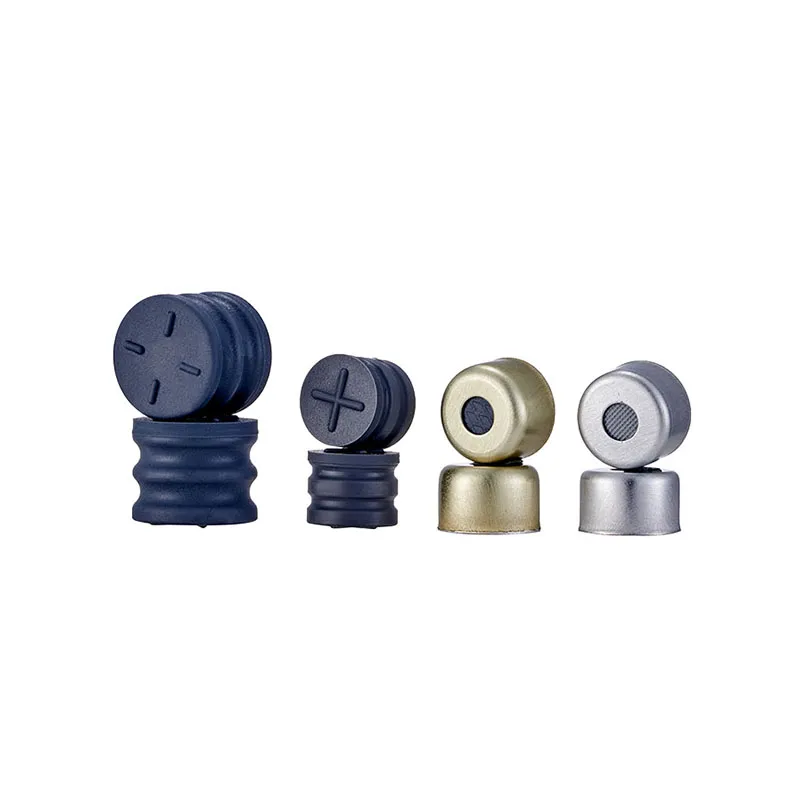
Bouchons en caoutchouc bromobutyle et chlorobutyle · Capsules plastique-aluminium flip-off · Étanchéité fiable · Plusieurs tailles et options personnalisées
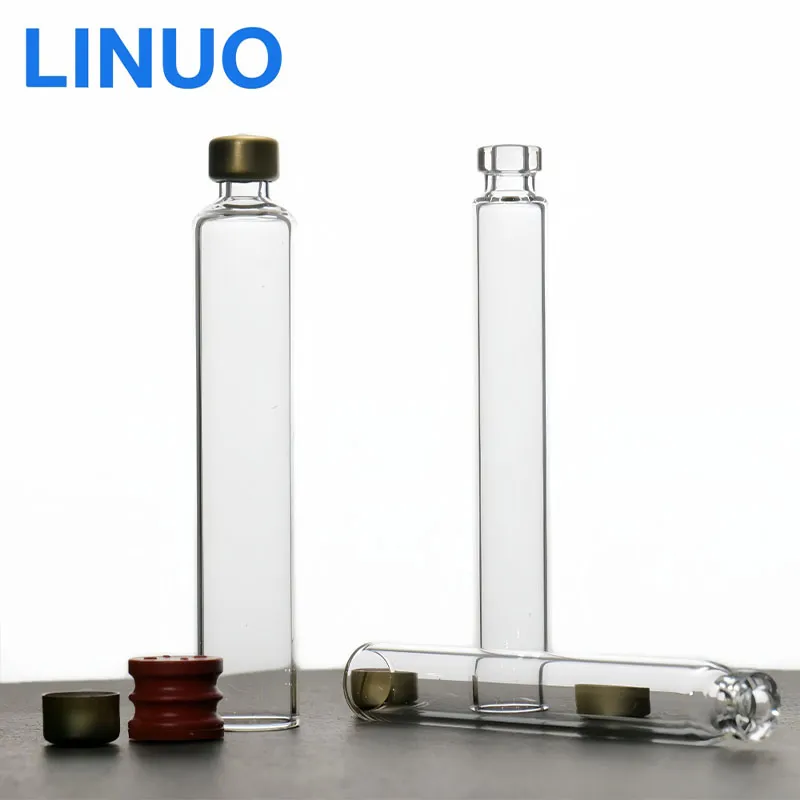
Cartouches en verre RTU · Remplissage direct · Traitement aseptique
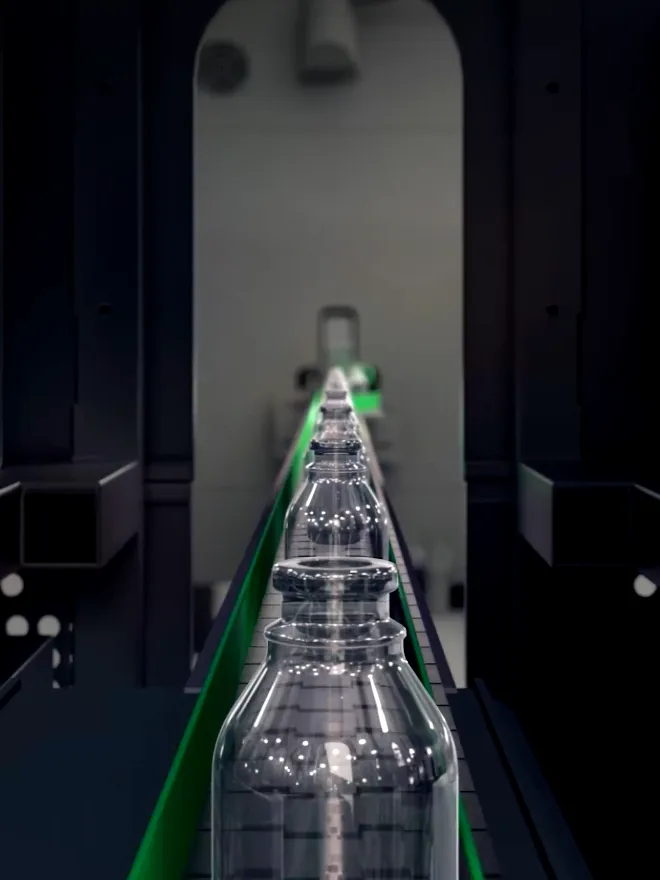
Nous vous répondrons dans les 24 heures. En cas d'urgence, veuillez nous contacter via WhatsApp ou WeChat au +8615953131507, ou appeler directement le +8618615646416.
*Nous respectons votre confidentialité et toutes les informations sont protégées.
Nous utiliserons vos informations uniquement pour répondre à votre demande et n'enverrons jamais de courriels non sollicités ou de messages promotionnels.