









À propos de nous
Si vous rencontrez des problèmes lors de l'utilisation du produit, n'hésitez pas à nous contacter


Faites défiler vers le bas

 15 octobre 2026
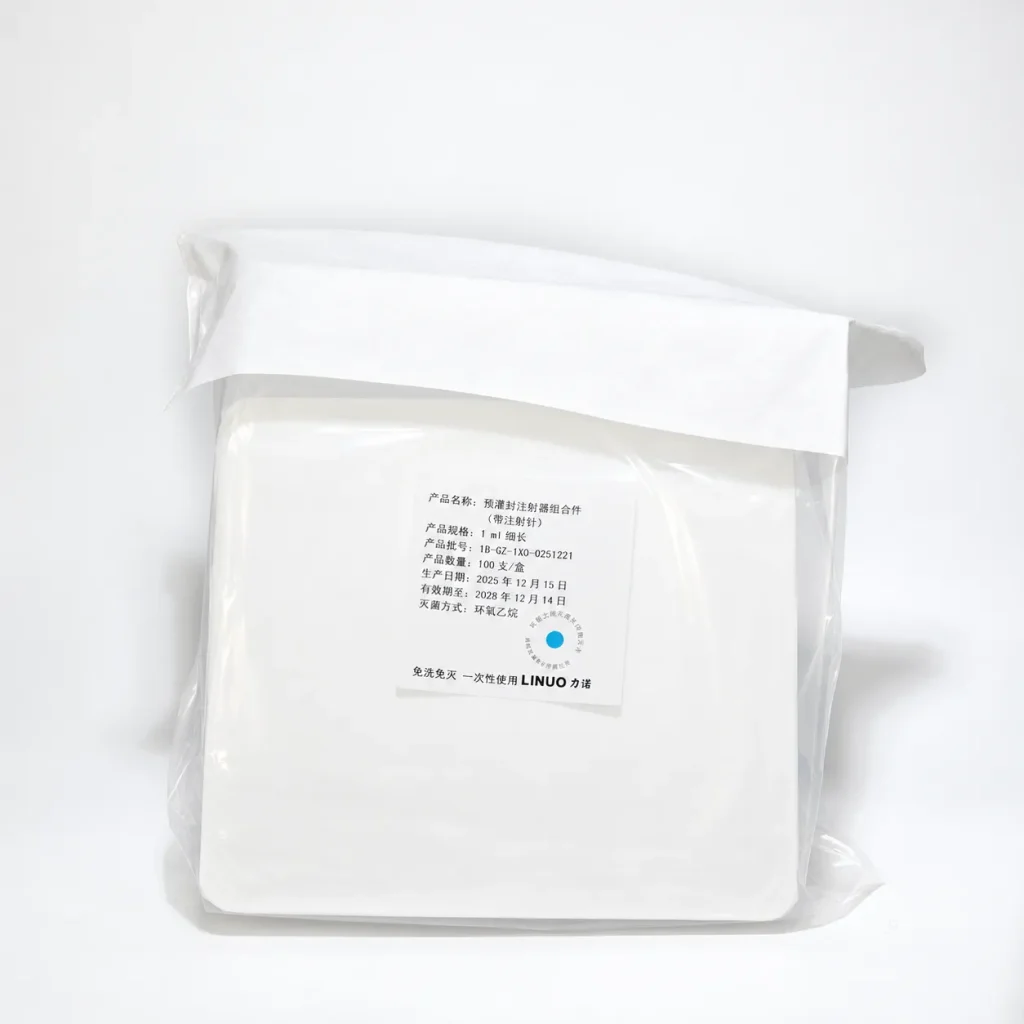
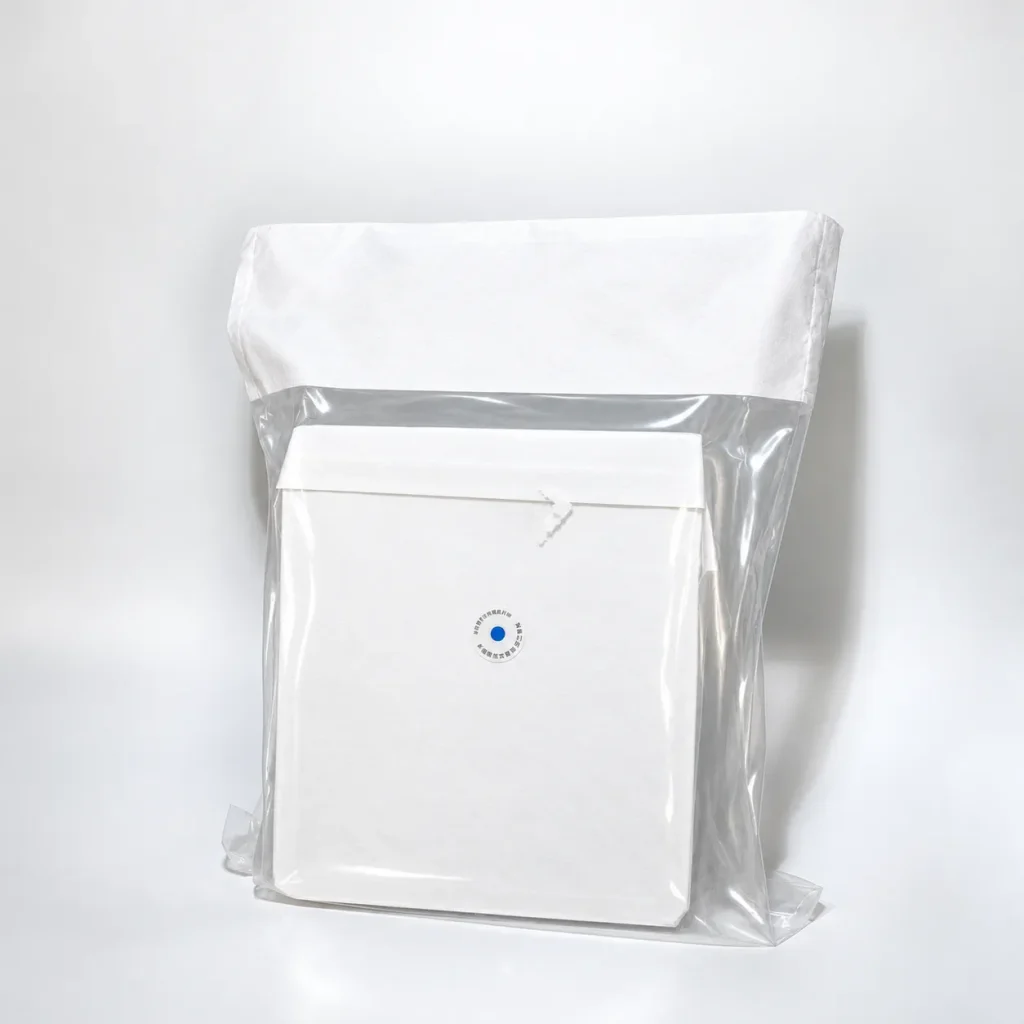
LINUO uses laser coding on RTU sterile packaging components—including the nest, tub, Tyvek lid and outer bag—rather than directly on the glass vial body. This provides ink-free batch identification while keeping the laser marking operation away from the glass container itself.
The coding process incorporates a Class 100 negative-pressure fume extraction and dust collection system, online OCR/OCV visual verification, automatic rejection and Siemens MES recording. This article explains how these controls support marking-related particle management, code accuracy and packaging-level batch traceability.
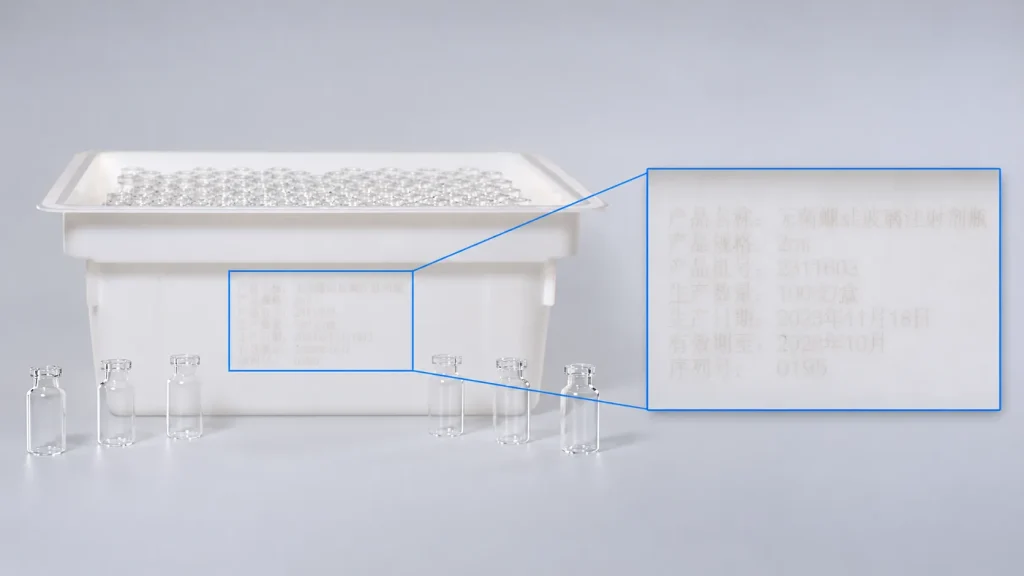
Les flacons en verre RTU sont des récipients pharmaceutiques vides destinés à être remplis ultérieurement de médicaments. Leur identification doit donc être considérée séparément de l'étiquetage et de l'identification du médicament fini.
Lors de la qualification des fournisseurs et du contrôle des matières premières, les acheteurs doivent établir un lien entre la configuration des flacons livrés et les informations relatives au lot concerné. Un identifiant peut faciliter ce lien, à condition que sa signification et son lien avec l'enregistrement soient clairement définis.
For LINUO, the identification scope is batch coding on the sterile packaging system. The identifier is carried by the nest, tub, Tyvek lid or outer bag within the selected packaging configuration, rather than being laser-marked onto the glass vial body.
This packaging-level identifier supports the connection between the supplied material and the corresponding batch records. It does not represent unique serialization of every individual vial.
For an overview of available supply configurations, explore LINUO’s RTU Glass Vials.
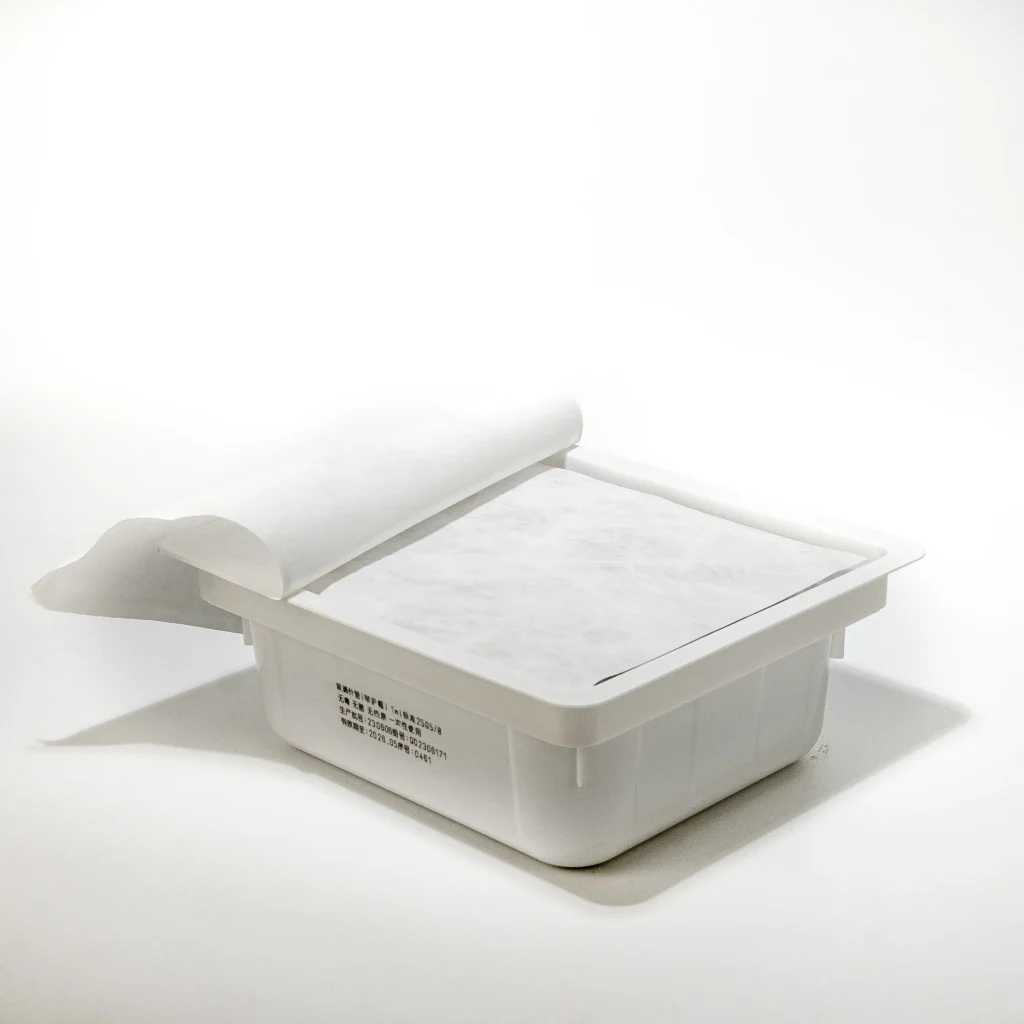
Le marquage sans encre sur les emballages pharmaceutiques a pour objectif de créer un identifiant sans utiliser d'encre d'impression lors de cette opération.
Pour les acheteurs qui évaluent les risques de contamination, cela leur évite d'avoir à prendre en compte l'encre d'impression comme intrant dans l'étape de codage choisie. Cela peut donc contribuer à dissiper les inquiétudes liées à l'application de l'encre et à la manipulation des matériaux qui y est associée.
La revendication appropriée est spécifique : Le marquage au laser permet de réduire les risques de contamination par des particules d'encre. Cela ne signifie pas pour autant que tous les procédés utilisant de l'encre entraînent une contamination, ni que le marquage au laser garantisse un produit exempt de particules.
Une évaluation pertinente prend en compte l'ensemble du processus de notation :
For particle control in RTU glass vials, the coding method is one part of the production process. Cleaning, handling, inspection and packaging remain relevant to the overall assessment.
LINUO also incorporates a Class 100 negative-pressure fume extraction and dust collection system into its laser coding operation. The system helps capture and remove fumes and particulate matter generated during marking, limiting their dispersion into the surrounding production environment.
Ink-free marking and local extraction address different concerns: the former avoids printing ink at the coding step, while the latter helps control emissions generated by the laser marking process.
Le choix d'une méthode de marquage ne se résume pas à vérifier si elle utilise de l'encre. Les acheteurs doivent évaluer si elle est adaptée au matériau choisi, à l'environnement de production et aux exigences en matière d'identification.
| Zone d'évaluation | LINUO’s packaging laser coding | Marquage à l'encre | Question relative à l'éligibilité de l'acheteur |
| Saisie des notes | Permet l'identification sans encre d'impression | Utilise de l'encre pour créer l'identifiant imprimé | Quels matériaux sont introduits lors de l'étape de codage ? |
| Marking location | Nest, tub, Tyvek lid or outer bag; no direct laser marking on the glass vial body | Depends on the selected printing configuration | Which component carries the identifier? |
| Évaluation de la propreté | Includes negative-pressure extraction to help control marking-generated fumes and particles | Nécessite une vérification de l'application de l'encre et des opérations associées | Comment cette opération s'inscrit-elle dans le cadre de la maîtrise de la contamination ? |
| Adéquation de la surface | Assessed for the selected packaging material and marking location | Doit être évalué en fonction de la surface d'impression choisie | Cette méthode est-elle adaptée au composant en question ? |
| Code verification | Online OCR/OCV verification with automatic rejection of failed units | Depends on the installed checking system | How are unreadable or incorrect codes controlled? |
| Traçabilité | Packaging-level batch identification supported by Siemens MES recording | Cela dépend du lien entre le code et les enregistrements contrôlés | Which batch records are associated with the identifier? |
Cette comparaison évite de considérer l'une ou l'autre méthode comme universellement adaptée ou inadaptée. En matière de conditionnement stérile, le choix doit être fonction de l'application et des données étayant le processus contrôlé.
LINUO applies laser coding to the nest, tub, Tyvek lid or outer bag within the selected RTU packaging configuration—not directly to the glass vial body.
This distinction matters because the glass container is not exposed to the laser marking operation. Packaging-level identification therefore avoids introducing a direct laser processing step on the vial surface.
This benefit should be described precisely. It avoids direct laser exposure of the glass during coding; it does not replace the separate assessment of glass integrity, delamination performance or container closure integrity.
For the selected packaging configuration, the coding specification should define:
For Tyvek lids and outer bags, marking suitability should also be assessed with regard to the packaging material and sterile barrier function.
Un code clair n'est utile que s'il contient également les informations correctes.
Les acheteurs doivent donc faire la distinction entre la lisibilité du code et son exactitude. La lisibilité consiste à vérifier si l'identifiant peut être interprété dans les conditions convenues. L'exactitude consiste à vérifier s'il correspond bien à la référence du produit, du lot ou de l'emballage prévue.
Selon le projet, la vérification peut porter sur des informations lisibles par l'homme, des informations lisibles par machine, ou les deux. Le format et la méthode de vérification doivent être convenus avec le fournisseur.
LINUO uses online OCR/OCV visual verification to check the applied code against the expected coding information. OCR supports recognition of the marked characters, while OCV supports verification against the approved reference.
Packaging units that fail the configured verification criteria are automatically rejected. This provides an active control for incomplete, unclear or incorrect identification.
The coding-control workflow is:
Laser coding → Online OCR/OCV verification → Automatic rejection of failed units → Siemens MES recording
During qualification, customers can review the code specification, verification criteria, rejection handling and associated records. These details establish how the process controls both readability and agreement with the intended batch information.
Traçabilité des flacons RTU Cela repose sur une relation fiable entre un identifiant et les enregistrements qu’il représente.
Le marquage au laser permet l'identification des lots, mais le code constitue le point d'accès aux informations et non le système d'information lui-même. Les acheteurs doivent savoir quelles données sont associées à l'identifiant et comment ces données peuvent être consultées.
LINUO utilise Siemens MES to support its production-record and batch-traceability workflow. The packaging coding process combines code application, online OCR/OCV verification, automatic rejection and MES recording.
The identification described here operates at packaging and batch level. It does not assign a unique laser-marked identifier to each glass vial.
For customer qualification, the record review should establish:
L'identification par lot et la sérialisation de chaque unité sont deux exigences distinctes. Si un projet nécessite un identifiant unique pour chaque flacon, cette exigence doit être abordée explicitement, plutôt que d'être déduite d'une déclaration générale concernant le marquage au laser ou le suivi via le système MES.
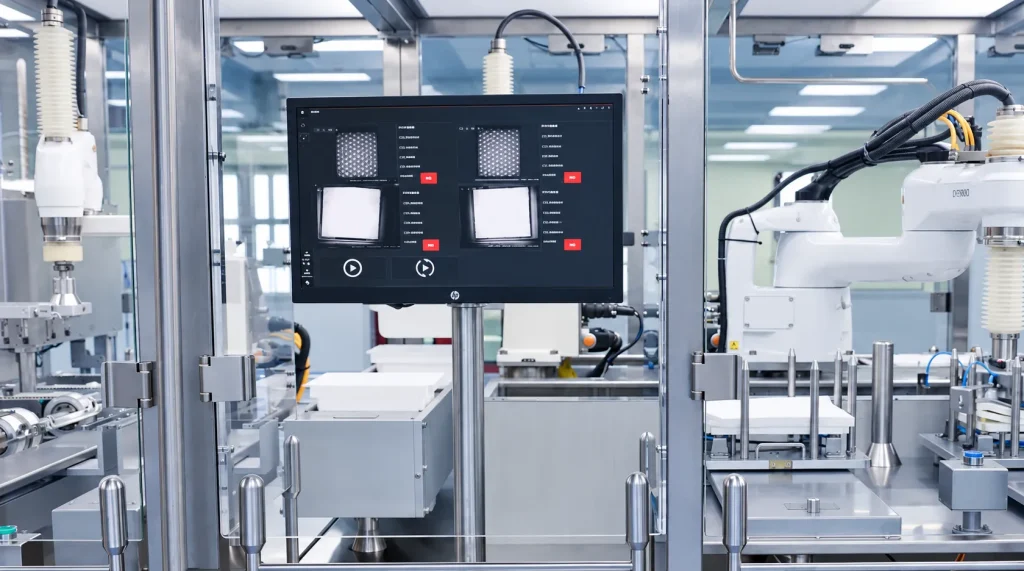
LINUO combines packaging laser coding, online OCR/OCV verification, automatic rejection and Siemens MES recording within its batch identification workflow. Each element performs a defined role.
| Élément | Objectif principal | What buyers should review |
| Packaging laser coding | Provides ink-free batch identification on packaging components without directly marking the glass vial | Marked component, position, approved content and material suitability |
| Negative-pressure fume extraction | Helps capture fumes and particles generated during laser marking | Extraction performance, maintenance and monitoring |
| Online OCR/OCV verification | Checks code readability and agreement with expected information | Verification scope, reference information and acceptance criteria |
| Automatic rejection | Removes packaging units that fail the configured verification checks | Rejection handling, segregation and disposition |
| Siemens MES recording | Records the coding-control workflow and supports batch traceability | Relationships between coding, verification, rejection and batch records |
| Documentation relative aux lots | Fournit des informations destinées à l'examen par le client et à la réception des matériaux | Agreement between the delivered material, identifier and batch documents |
Ces éléments ne prennent tout leur sens que lorsque leurs relations sont clairement définies. Un identifiant doit correspondre aux bons dossiers ; les résultats des contrôles doivent être interprétés dans le cadre de leur champ d'application ; et la documentation du client doit correspondre au matériel reçu.
La technologie de marquage laser de LINUO s'inscrit dans une démarche plus large de production d'emballages stériles et de gestion de la qualité.
The company applies full lifecycle product management, supported by a quality management system, validation planning, ongoing production-environment monitoring and standardized finished-product release testing. Its core quality, production, equipment and process teams have pharmaceutical-factory experience.
Within this framework, LINUO applies ink-free batch identification to the sterile packaging system while keeping the laser marking operation away from the glass vial body. Negative-pressure fume extraction helps control marking-generated emissions, while online OCR/OCV verification and automatic rejection support identification accuracy. Siemens MES recording connects these controls with the batch-traceability workflow.
Pour les clients, la tâche consiste à mettre en correspondance ces capacités avec la configuration réelle des flacons et des emballages qu’ils achètent. Les informations générales sur la fabrication fournissent un contexte utile ; les précisions spécifiques au produit permettent de déterminer ce qui s’applique à la commande.
Un contrôle ciblé du codage ne nécessite pas un questionnaire inutilement long. Commencez par les informations nécessaires pour comprendre le processus d'identification et son lien avec le lot fourni.
| Article à évaluer | Informations à préciser | Valeur d'achat |
| Configuration du marquage | Marked packaging component, location and production stage | Establishes where batch identification applies |
| Spécifications du code | Approved content, format and reading requirements | Adapte l'identifiant aux besoins des clients |
| Packaging suitability | Assessment of marking settings and location for the selected material | Supports review of packaging condition and sterile barrier considerations |
| Extraction controls | Qualification, maintenance and monitoring information for the negative-pressure extraction system | Supports review of marking-generated fume and particle control |
| OCR/OCV verification | Verification scope, expected information and acceptance criteria | Explains how readability and correctness are checked |
| Automatic rejection | Rejection handling, segregation and disposition procedures | Explains how failed packaging units are controlled |
| Siemens MES records | Relationship between coding, verification, rejection and production batch records | Supports batch review and quality investigations |
| Documentation | Documents relatifs aux lots concernés et modalités d'accès | Soutient la qualification et l'évaluation des matières premières entrantes |
La disponibilité des documents et le niveau de détail de leur examen doivent être définis en fonction de l'étape du projet. Les acheteurs doivent également préciser si leur priorité porte sur la reconnaissance des lots, le contrôle à la réception, la qualification des fournisseurs ou une exigence de traçabilité plus détaillée.
When evaluating laser coding for RTU vials, focus on packaging suitability, marking-related particle control, verified code accuracy and the connection to batch records.
LINUO combines packaging-level laser coding, Class 100 negative-pressure fume extraction, online OCR/OCV verification, automatic rejection and Siemens MES recording. The code is applied to the selected RTU packaging component rather than directly to the glass vial body.
Share your vial configuration, packaging format, intended batch coding content and reading requirements with LINUO. Clarify at which receiving, unpacking or transfer stages the identifier needs to remain available.
Nous contacter to discuss ink-free packaging identification, batch traceability and the technical information relevant to your supplier assessment.
LINUO applies laser coding to RTU packaging components, including the nest, tub, Tyvek lid and outer bag, according to the selected configuration. The code is not applied directly to the glass vial body.
Packaging-level coding keeps the laser marking operation away from the glass vial body. This avoids direct laser exposure of the container during coding while providing batch identification on the packaging system.
LINUO incorporates a Class 100 negative-pressure fume extraction and dust collection system into the coding operation. It helps capture and remove marking-generated fumes and particles as part of the overall contamination-control approach.
Online OCR/OCV visual verification checks the applied code against the expected information. Packaging units that fail the configured verification criteria are automatically rejected, with the workflow recorded through Siemens MES.
No. The process described here provides batch identification on RTU packaging components. It does not represent individual-vial serialization.
Siemens MES supports recording of the coding, verification and rejection workflow and its relationship with batch information. The applicable records and review scope can be discussed during supplier qualification.
Nous vous répondrons dans les 24 heures. En cas d'urgence, veuillez nous contacter via WhatsApp ou WeChat au +8615953131507, ou appeler directement le +8618615646416.
*Nous respectons votre confidentialité et toutes les informations sont protégées.
Nous utiliserons vos informations uniquement pour répondre à votre demande et n'enverrons jamais de courriels non sollicités ou de messages promotionnels.