









À propos de nous
Si vous rencontrez des problèmes lors de l'utilisation du produit, n'hésitez pas à nous contacter


Faites défiler vers le bas

 September 08, 2026
 Lyophilized injectable projects require more than a sterile vial that is ready for filling. During freeze-drying, the vial, stopper and closure system must work through filling, partial stoppering, freezing, drying, final stoppering, capping and storage.
For this reason, pharmaceutical manufacturers should evaluate RTU glass vials as part of a complete freeze-drying packaging system. The focus should not only be whether the vial is supplied in a ready-to-use format, but whether the vial design, sterile packaging, closure components and filling workflow match the actual lyophilization process.
LINUO provides RTU glass vial options in Nest & Tub et Plateau formats for pharmaceutical manufacturers, CDMOs and fill-finish facilities. These formats are designed to support aseptic filling workflows while reducing customer-side preparation steps such as washing, depyrogenation and sterilization. For lyophilized injectables, however, project-specific evaluation is still essential.
Flacons en verre RTU are often selected because they are supplied in a prepared sterile format. This can help reduce preparation work before aseptic filling, but freeze-drying adds additional process requirements.
A lyophilized injectable project should confirm:
This makes freeze-drying projects different from simple liquid filling projects. The vial must not only enter the filling line in a controlled condition, but also perform reliably during the lyophilization cycle.
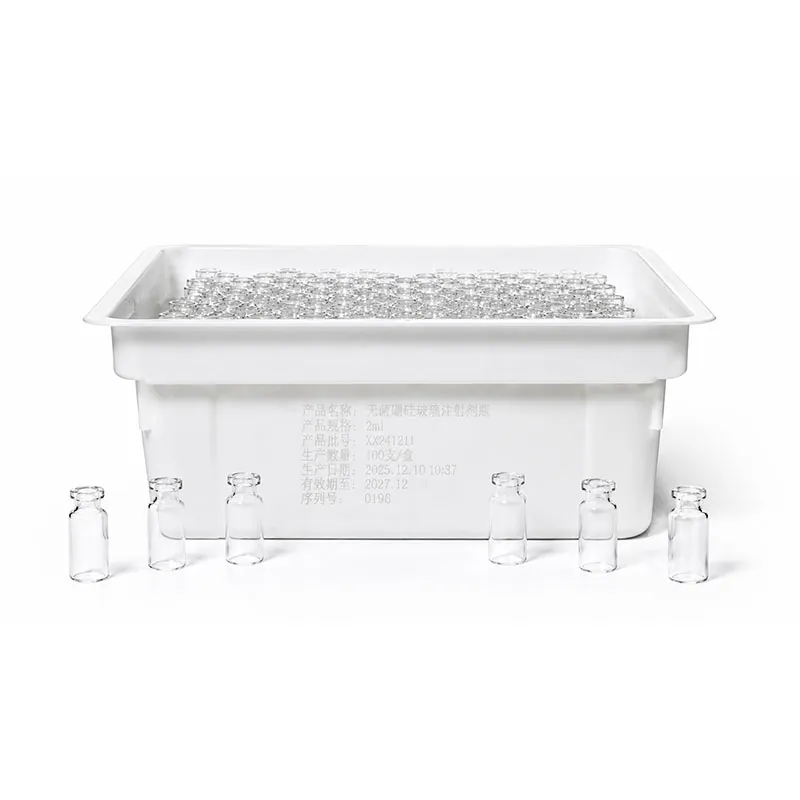
In a freeze-drying process, vials are placed on lyophilizer shelves and exposed to controlled temperature changes. Therefore, vial geometry and bottom design should be evaluated before confirming the RTU format.
For lyophilized injectables, buyers should pay attention to whether the selected vial supports:
A vial that works well for liquid filling may still require additional confirmation for freeze-drying. This is why RTU glass vials should be reviewed together with the customer’s lyophilizer, filling line and closure system.
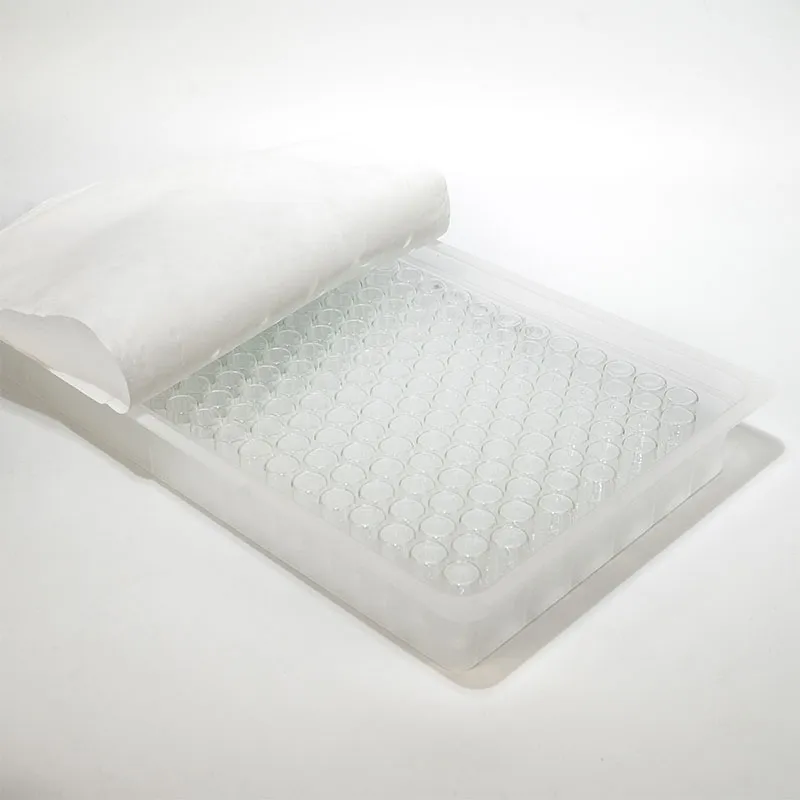
Freeze-drying may expose glass vials to temperature changes that differ from normal filling or storage. If the container and process are not properly matched, thermal stress may increase the risk of cracking or breakage.
For RTU glass vial projects, pharmaceutical manufacturers should confirm:
A general thermal performance statement is not enough for every project. The selected RTU vial should be evaluated according to the actual formulation, freeze-drying cycle and equipment configuration.
A lyophilized injectable is not protected by the glass vial alone. The stopper and cap are also part of the complete container-closure system.
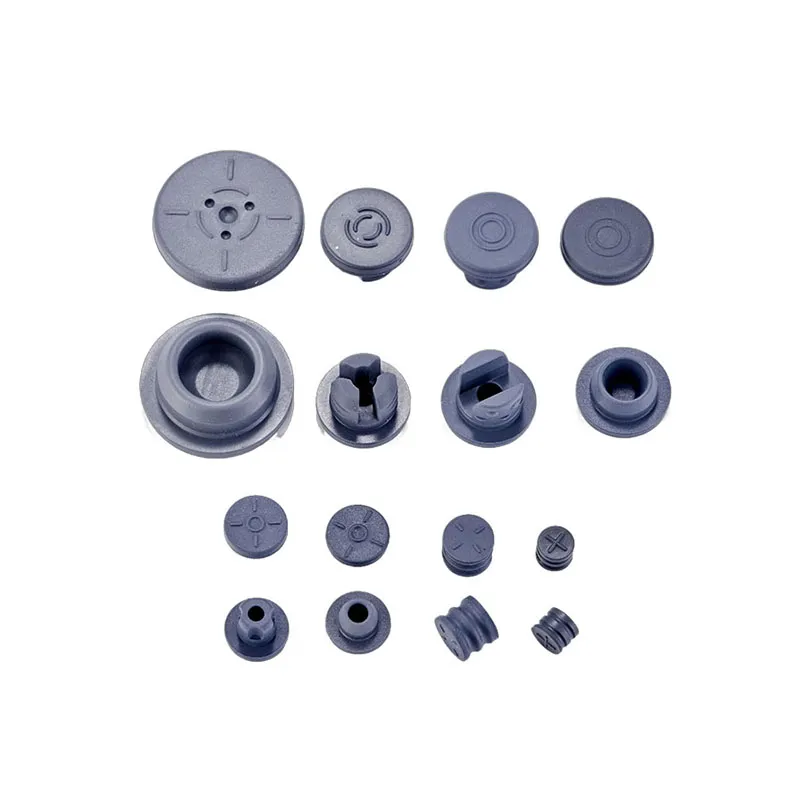
During freeze-drying, the stopper may need to remain in a specific position before final closure. After the cycle, the vial must support final stoppering, capping or crimping, and long-term storage.
Pharmaceutical manufacturers should confirm:
RTU supply does not replace closure-system evaluation. The vial, stopper and cap must be qualified together according to the finished drug product and process requirements.
LINUO’s RTU glass vials are available in Nest & Tub and Tray formats. These formats are designed for ready-to-use sterile vial handling and aseptic filling-line integration.
For lyophilized injectable projects, the buyer should confirm how the RTU vials will move through the full workflow:
The question is not only whether the vial is supplied as RTU. The more important question is whether the RTU format can match the actual production route from aseptic filling to lyophilization and final closure.
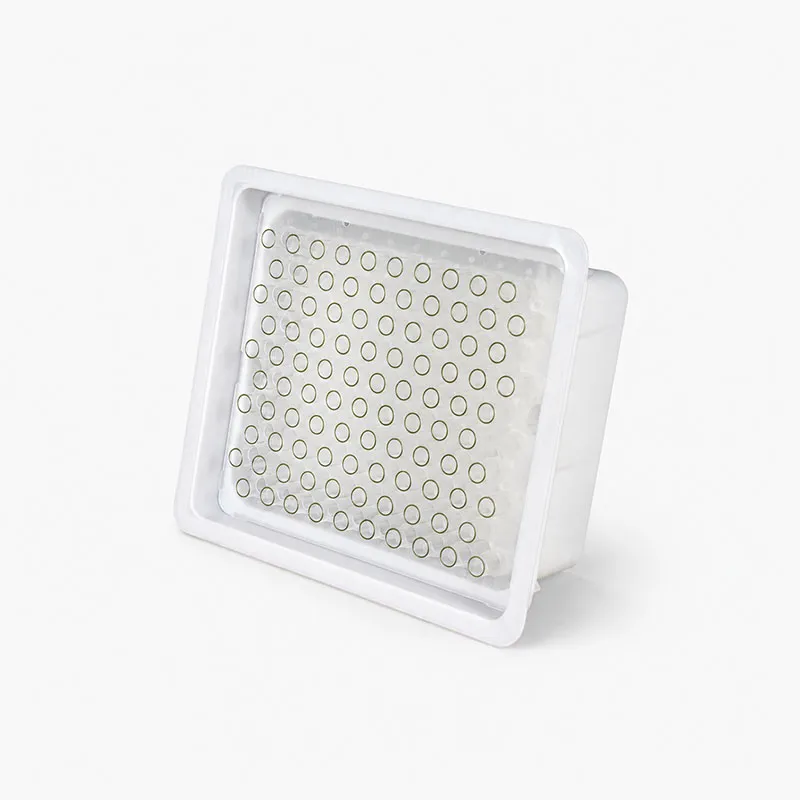
Sterile barrier packaging is one of the major reasons manufacturers consider RTU glass vials. For freeze-drying projects, the sterile barrier system should support controlled transfer before filling and reduce unnecessary handling before the vial enters production.
Buyers should review:
Sterile packaging can support aseptic operations, but it does not eliminate the need for customer-side process control, equipment qualification and final drug-product release.
Lyophilized products may make later visual inspection more complex than liquid products. Therefore, container quality before filling becomes especially important.
For RTU glass vials used in freeze-drying, pharmaceutical manufacturers should review:
RTU formats such as Nest & Tub or Tray can help reduce direct vial-to-vial contact during handling and transport, but buyers should still confirm the packaging configuration and incoming inspection requirements for each project.
RTU glass vials can reduce preparation steps, but they do not replace project-specific qualification.
Before selecting RTU glass vials for lyophilized injectables, the project team should confirm:
The final decision should be based on the customer’s formulation, equipment, closure system and regulatory requirements. Supplier documents can support the evaluation, but they should not be treated as a substitute for customer validation.
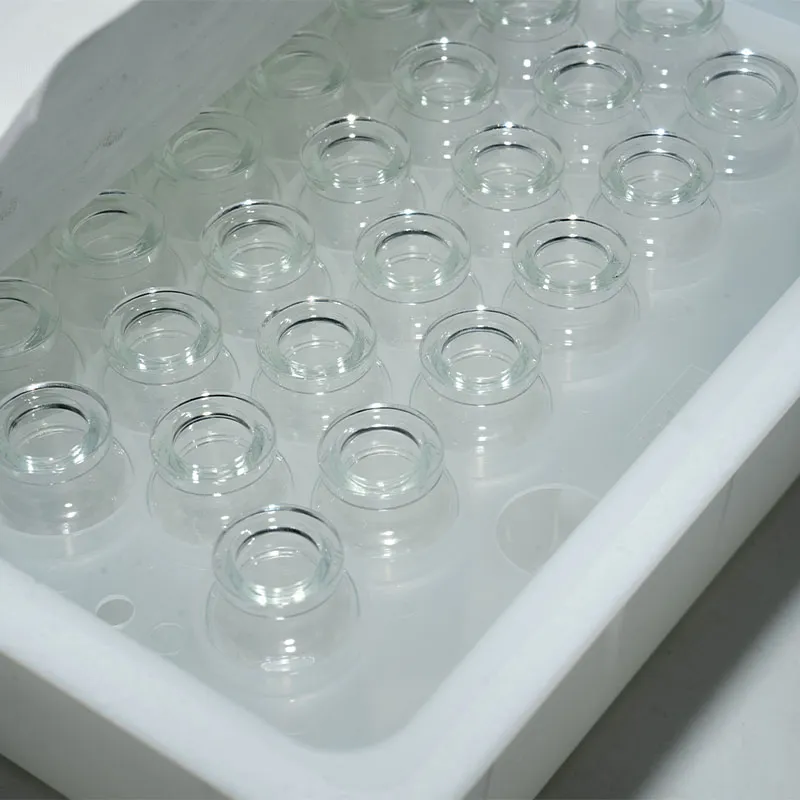
LINUO’s RTU glass vial category includes RTU Vials with Nest and Tub and RTU Vials with Tray Packaging. The tray product page lists sizes including 2R, 4R, 6R, 8R, 10R, 15R, 20R, 25R, 30R and 50R, and describes ready-to-use tray format, non-contact handling, Tyvek double breathing bags and ETO terminal sterilization with controlled process monitoring.
For freeze-drying projects, LINUO can support customers by providing product specifications, packaging format information, material information, quality documents and project-specific communication based on the selected RTU vial format.
Pharmaceutical manufacturers can submit their formulation category, vial size, lyophilization process, filling-line information, stopper and cap requirements, and documentation needs for technical review.
RTU glass vials can be valuable for lyophilized injectable projects, but they should not be selected only because they are sterile or ready to use.
For freeze-drying applications, the vial must be evaluated together with the lyophilization process, stopper system, filling workflow, sterile transfer method and final container-closure requirements.
The most practical approach is to treat RTU glass vials as one part of a complete freeze-drying packaging system. When the vial design, closure components, sterile packaging and process workflow are properly aligned, RTU glass vials can support cleaner, more efficient and more controlled lyophilized injectable production.
RTU glass vials may be considered for lyophilized injectable projects when the vial design, stopper system, lyophilization cycle and filling workflow are properly evaluated. Final suitability depends on the specific formulation and process.
Buyers should check vial geometry, bottom design, thermal performance, stopper compatibility, partial stoppering requirements, lyophilizer handling, sterile transfer process and required quality documents.
RTU glass vials are supplied in a prepared sterile format, which can reduce customer-side washing, depyrogenation and sterilization steps. However, customer-side aseptic process validation and final product release are still required.
The stopper must support partial stoppering during freeze-drying and final closure after the lyophilization cycle. It should be evaluated together with the vial neck finish, cap, crimping process and container-closure integrity requirements.
The choice depends on the filling line, handling method, lyophilizer loading process, vial size, batch size and equipment interface. Both formats should be confirmed according to the customer’s actual production workflow.
Nous vous répondrons dans les 24 heures. En cas d'urgence, veuillez ajouter WhatsApp/WeChat : +8618615646416, ou appeler directement le +8618615646416.
*Nous respectons votre confidentialité et toutes les informations sont protégées.
Nous utiliserons vos informations uniquement pour répondre à votre demande et n'enverrons jamais de courriels non sollicités ou de messages promotionnels.