







Sobre nosotros
Si tiene algún problema durante el uso del producto, no dude en ponerse en contacto con nosotros



Desplácese hacia abajo

 September 03, 2026
 Trasladar un proyecto de medicamento inyectable de las muestras de I+D al llenado GMP implica mucho más que aumentar el tamaño del lote. El equipo de desarrollo debe transferir una configuración definida del envase primario, mientras que la planta de llenado receptora debe determinar si el vial de vidrio, el formato de envase estéril y los componentes del cierre son compatibles con sus equipos y su proceso de fabricación controlado.
Viales de vidrio RTU can reduce selected packaging-related variables because applicable containers are supplied after controlled preparation, sterile-barrier packaging and terminal sterilization. LINUO provides RTU glass vials in Nest and Tub and Tray formats, with published nominal sizes from 2R to 50R, for integration into compatible aseptic filling workflows.
RTU glass vials can simplify part of the transfer from R&D to GMP filling by reducing customer-side vial washing, depyrogenation and sterilization preparation. They do not replace specification transfer, filling-line compatibility checks, drug–container evaluation, closure-system assessment or site-specific qualification.
En el envasado de medicamentos inyectables, la transferencia técnica significa garantizando que la configuración de envasado utilizada durante el desarrollo pueda comprenderse, evaluarse e implementarse adecuadamente en el centro de fabricación receptor.
Un paquete de transferencia debe especificar más que la capacidad nominal del vial. Según el proyecto, es posible que el equipo receptor deba revisar:
If these points remain undefined during R&D, the receiving GMP filling site may need to repeat packaging evaluations or request additional samples and technical information.
El envasado RTU puede reducir algunas variables relacionadas con la preparación, pero no puede subsanar una especificación incompleta del producto.
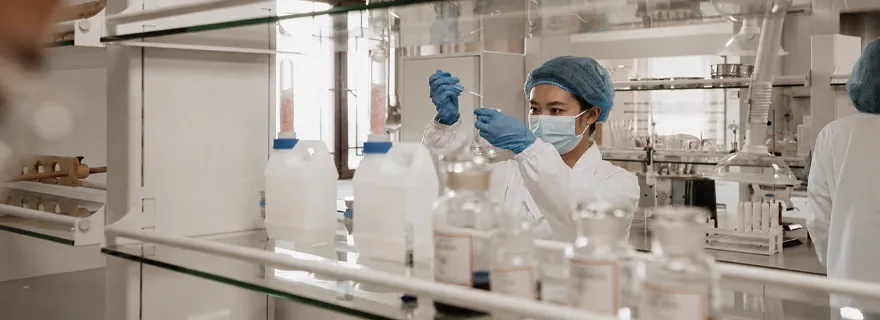
An R&D team may fill a limited number of samples using laboratory-scale or flexible equipment. The receiving facility may use automated equipment with defined requirements for vial loading, filling, stoppering, capping and inspection.
A vial that can be handled successfully during development is not automatically suitable for another filling line. The receiving site must determine whether the container and packaging format physically and operationally fit its process.
Entre las posibles preguntas sobre el envasado se incluyen:
Conventional Bulk glass vials may require customer-side washing, depyrogenation, sterilization, sorting and controlled handling before filling, depending on the facility and process.
LINUO describes its applicable Viales de vidrio RTU as washing-free, depyrogenation-free at the customer site and pre-sterilized. Its published RTU vial workflow includes controlled container preparation, sterile-barrier packaging and terminal sterilization before delivery.
Moving these activities to the packaging supplier can reduce the number of customer-side preparation stages that must be transferred from the development process to the receiving GMP site.
| Packaging activity | Bulk workflow | Applicable LINUO RTU workflow |
| Vial washing | May be completed by the filling facility | Completed by the supplier for the applicable RTU configuration before delivery |
| Pyrogen-control processing | May require customer-side equipment | Prepared before delivery for the applicable configuration |
| Sterilization preparation | Managed according to the customer process | Supplied pre-sterilized |
| Container positioning | Loose-container sorting may be required | Vials are positioned in a Nest or Tray |
| Sterile-barrier packaging | Depends on the selected supply format | Tyvek components and double sterile bags are published |
| Filling-line loading | Uses a Bulk vial infeed system | Requires a compatible Nest, Tub or Tray interface |
This can simplify the packaging portion of technical transfer. It does not eliminate receiving procedures, controlled transfer, aseptic process design or final drug-product release.
The packaging configuration used during development should be documented precisely enough for the receiving facility and packaging supplier to evaluate it.
Vial size and dimensions
LINUO publishes RTU glass vials in the following nominal sizes:
2R,4R,6R,8R,10R,15R,20R,25R,30R,50R
The nominal size is only a starting point. The project should also confirm the applicable product drawing, overall dimensions, neck geometry and dimensional tolerances.
Fill volume and headspace
The intended fill volume should be assessed together with the vial size, closure system and filling process. A nominal container size should not be selected from the liquid volume alone.
Stopper and cap system
The vial, stopper and cap form a packaging system. The selected components must be evaluated together rather than treating the glass vial as an isolated item.
Tratamiento de la superficie
LINUO identifies optional siliconization for applicable vial configurations. The need for siliconization or another surface option must be confirmed according to the selected product and formulation requirements.
Packaging presentation
The R&D team should state whether the project uses:
Cambiar la presentación puede afectar los requisitos de recepción, carga, manipulación y equipos, incluso cuando el tamaño nominal del vial siga siendo el mismo.
El tamaño exacto y la disponibilidad de la presentación deben confirmarse en la TDS específica del SKU aprobada.
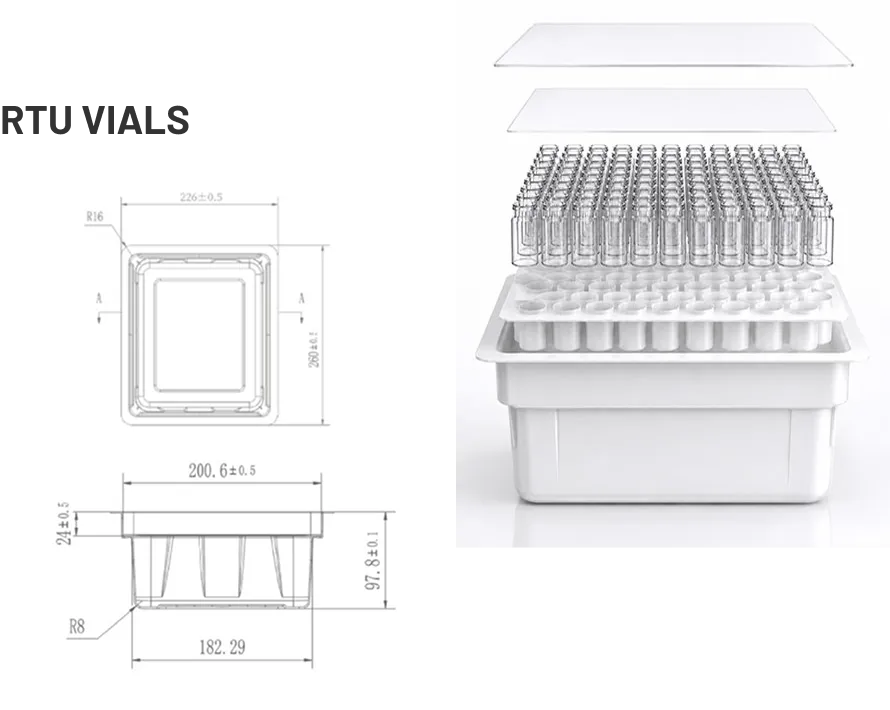
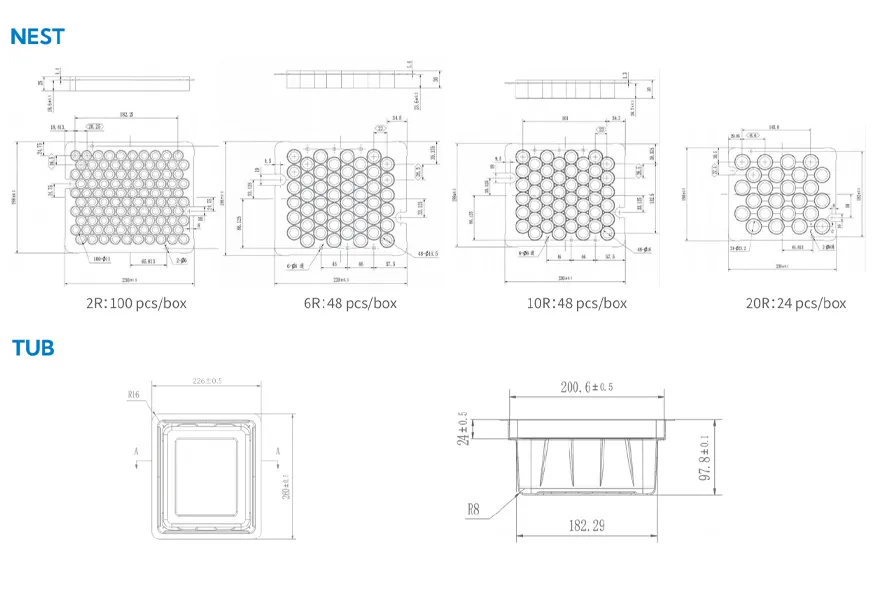
Viales RTU publicados por LINUO con Sistema Nest and Tub incluye:
El Nest mantiene los envases en posiciones definidas, mientras que el Tub proporciona soporte externo. Los componentes de la barrera estéril permiten una transferencia controlada a un entorno de llenado adecuado.
La instalación GMP receptora aún debe confirmar:
Dimensiones del Nest y paso entre recipientes
El formato RTU Tray de LINUO coloca los viales de vidrio individuales en posiciones separadas de la bandeja. La información publicada del producto identifica la protección de barrera estéril Tyvek, las bolsas estériles dobles y la esterilización terminal con ETO para la configuración aplicable.
La disposición en bandeja puede reducir el contacto directo entre los recipientes de vidrio durante los procesos de transporte y manipulación aplicables. También puede organizar los recipientes antes de introducirlos en un flujo de llenado compatible.
Before transferring an R&D project to a GMP facility, the teams should confirm:
Nest y Tub y Formatos de bandeja no deben tratarse como intercambiables. La selección debe basarse en el equipo real y el proceso de flujo de materiales de la instalación receptora.
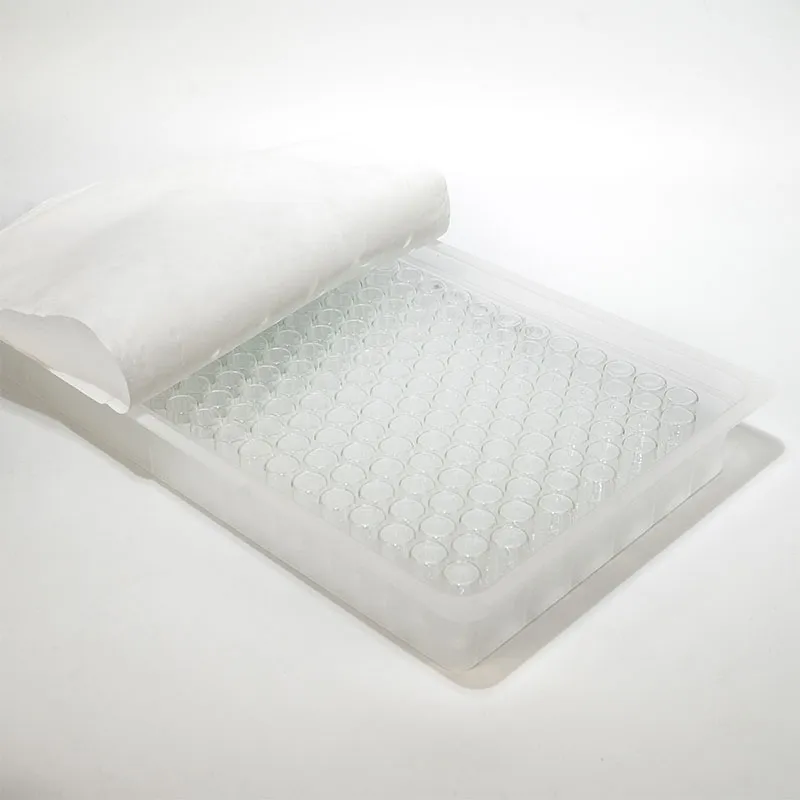
Las páginas de productos Nest and Tub y Tray publicadas por LINUO identifican la esterilización terminal con ETO para las configuraciones RTU indicadas.
Durante la transferencia técnica, los equipos de calidad y fabricación receptores deben confirmar la información de esterilización aplicable al producto exacto, en lugar de basarse únicamente en el término general «preesterilizado».
La revisión del proyecto puede incluir:
ETO sterilization should not be described as interchangeable with other sterilization methods. The applicable sterilization cycle and supporting documentation should be evaluated for the selected RTU vial configuration.
Pre-sterilization also does not mean the filled drug product is automatically sterile. The receiving site remains responsible for its own aseptic filling process and final product release.
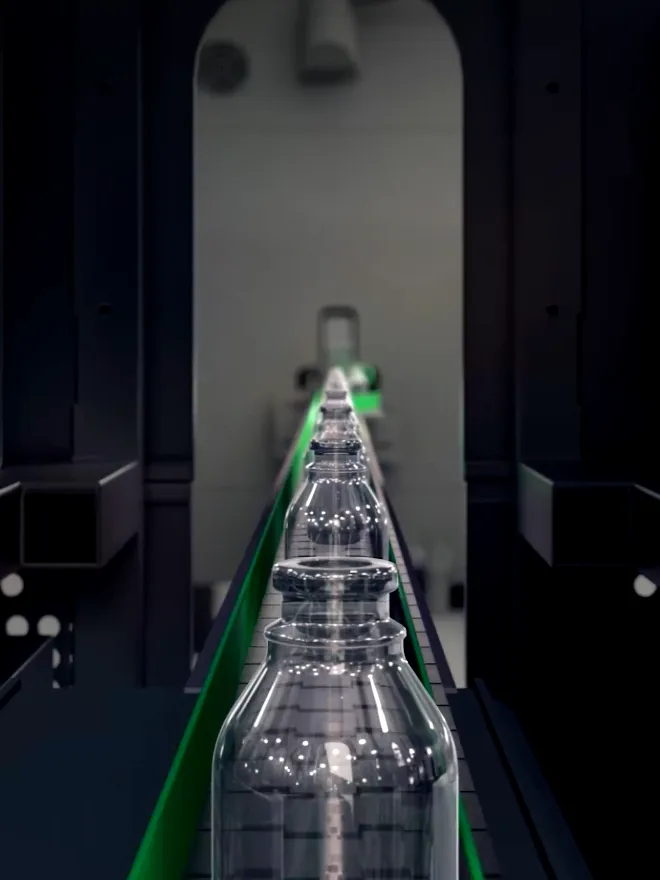
LINUO’s RTU vials are designed for integration into automated aseptic filling workflows. However, compatibility with “automated filling” does not establish that every vial or RTU packaging configuration can be used on every filling line without evaluation.
A practical compatibility review should compare the supplier information with the receiving equipment.
| Area to review | Information to confirm |
| Glass vial | Size, dimensions, tolerances and neck geometry |
| Envases RTU | Nest, Tub or Tray dimensions and container layout |
| Material entry | Bag removal, sterile-barrier opening and controlled transfer |
| Vial handling | In-nest filling, de-nesting or Tray transfer |
| Filling | Needle position, intended fill volume and container stability |
| Stoppering | Stopper dimensions, placement and seating |
| Capping | Cap configuration and sealing process |
| Inspection | Container presentation and inspection-system requirements |
| Change parts | Equipment adjustments or product-specific components |
| Trial materials | Samples and quantities required for technical evaluation |
Samples and technical drawings should be reviewed before GMP production. Where necessary, the receiving team should define its project-specific trial and qualification plan.
LINUO states that it can provide samples with applicable CoA and test data for evaluation, subject to the selected product and project.
The receiving site needs a controlled package of product and packaging information. The exact contents depend on the selected RTU vial, filling process, project stage and target market.
Depending on the product and project, LINUO can support applicable product specifications, samples, Certificates of Analysis, test data, inspection information and regulatory or compliance documents.
For an RTU vial project, the transfer package may also need to identify:
The exact document package should be confirmed for the selected product. Company-level certificates or registrations should not automatically be applied to every RTU vial configuration.
RTU refers to the condition in which the container is supplied. It does not mean that the glass vial, closure system or filled product is already qualified for a specific formulation.
Depending on the project, the drug manufacturer or filling partner may still need to address:
LINUO’s CNAS-accredited laboratory supports activities including glass–drug compatibility evaluation, extractables and leachables testing, elemental analysis, glass particle detection and migration studies. The required testing programme must still be determined for the selected drug product and packaging system.
RTU vials can reduce transferred preparation steps; they cannot remove the pharmaceutical company’s technical, quality or regulatory responsibilities.
A packaging change may involve more than changing the glass vial supplier. It can also include a change in:
Each proposed change should be reviewed for its possible effect on the formulation, stability configuration, filling process, equipment interface, inspection process and documentation.
If the development stage uses one presentation and the GMP site uses another, the difference should be identified before the transfer is finalized. A Bulk vial and an RTU vial with similar external geometry may still require different preparation, handling and line-loading processes.
The objective should be to define the intended GMP packaging configuration as early as practical, not to assume that every R&D format will transfer without additional evaluation.

An RTU vial format used for an R&D or engineering batch may remain under consideration for later production if it matches the filling line, throughput, documentation and supply requirements.
Before scale-up, teams should confirm:
RTU is not limited to development batches, but its suitability for later production cannot be determined from vial size alone.
Similarly, transitioning from RTU to Bulk for later commercial production should not be treated as a simple purchasing change. It introduces a different preparation and handling workflow that may require additional technical assessment.
A useful RTU vial inquiry should provide enough information for a product and process review.
Recommended project information includes:
LINUO can use this information to support applicable vial selection, specification review, sample preparation and documentation discussions. Final suitability must be established through the customer’s project-specific assessment.
RTU glass vials can simplify one part of the transition from R&D samples to GMP filling by moving selected container-preparation stages to the packaging supplier. de LINUO applicable RTU vials are supplied in Nest and Tub or Tray formats after controlled preparation, sterile-barrier packaging and published ETO terminal sterilization.
This can reduce the number of customer-side washing, depyrogenation, sterilization preparation and loose-container handling steps that must be transferred to the receiving facility. It can also provide a defined packaging presentation for evaluation against a compatible aseptic filling line.
RTU does not remove the need for detailed technical transfer. The receiving team must still confirm the glass vial specification, closure components, Nest or Tray interface, filling and stoppering process, compatibility requirements, stability configuration, documentation and project-specific qualification plan.
To begin a technical review, pharmaceutical and biotech teams can provide LINUO with the formulation category, development stage, intended fill volume, vial size, batch quantity, filling-line configuration, closure requirements and required documents.
No. RTU vials can reduce the need to transfer selected customer-side washing, depyrogenation and sterilization preparation steps. The vial specification, closure system, filling-line interface, formulation compatibility, documents and qualification requirements must still be transferred and reviewed.
It may be possible if the exact vial and packaging configuration meets the requirements of the formulation, closure system and receiving filling line. The GMP facility should review drawings, samples, Nest or Tray dimensions and applicable documents before use.
No. LINUO’s RTU vials are designed for compatible aseptic filling workflows, but the vial size, Nest or Tray layout, loading method, stoppering, capping and inspection requirements must be checked against the actual equipment.
LINUO publishes nominal RTU vial sizes of 2R, 4R, 6R, 8R, 10R, 15R, 20R, 25R, 30R and 50R for its Nest and Tub and Tray product directions.
LINUO’s published Nest and Tub and Tray product pages identify ETO terminal sterilization for the applicable configurations. The exact product, cycle information and release documents should be confirmed during qualification.
No. Pre-sterilization describes the supplied RTU container configuration. The pharmaceutical manufacturer or filling partner remains responsible for the aseptic filling process, container-closure evaluation, final inspection and drug-product release.
Depending on the selected product and project, LINUO states that it can provide applicable specifications, samples, CoA, test data, inspection information and registration or compliance support documents. The exact package must be confirmed for the selected RTU vial.
Le responderemos en un plazo de 24 horas. Si se trata de un caso urgente, añada WhatsApp/WeChat: +8618615646416 o llame directamente al +8618615646416.
*Respetamos su confidencialidad y toda la información está protegida.
Solo utilizaremos su información para responder a su consulta y nunca enviaremos correos electrónicos no solicitados ni mensajes promocionales.