








О нас
Если у вас возникнут какие-либо проблемы при использовании продукции, пожалуйста, свяжитесь с нами.


Прокрутите вниз

 August 19, 2026
 Pharmaceutical glass packaging quality control involves more than inspecting finished containers. Glass composition, dimensional accuracy, forming stability, mechanical performance, cosmetic quality, packaging conditions and batch documentation can all influence whether a container meets its applicable specifications.
LINUO manages pharmaceutical glass packaging quality through incoming-material inspection, process monitoring, product-specific online inspection, CNAS-accredited laboratory testing and MES-based batch traceability. The exact inspection items, testing methods and release documents depend on the packaging format, customer specification and applicable project requirements.
Different pharmaceutical products place different demands on their primary packaging.
Ampoules must support reliable filling, sealing and opening. Tubular vials require dimensional consistency for downstream filling and closure processes. Cartridges must work with plungers, seals and drug-delivery devices. Molded glass bottles require control of container geometry, wall thickness and visual quality. Ready-to-use packaging adds further requirements related to cleaning, controlled environments, sterile barrier packaging and batch release.
For this reason, pharmaceutical glass packaging quality cannot be evaluated through a single inspection step. It requires controls at several connected stages:
LINUO applies these controls according to the characteristics of each product and the requirements of the customer project.
Quality management begins before the glass container is formed.
Incoming-material inspection helps confirm that the glass tubing, glass composition and other production materials meet the applicable specifications before they enter the manufacturing process. Material information and inspection records can then be linked with production batches through the manufacturing management system.
LINUO also produces pharmaceutical glass tubing, allowing its product system to cover both glass materials and finished pharmaceutical containers. Relevant glass material properties can be evaluated using laboratory instruments for chemical composition, microscopic analysis and other required testing.
Controlling materials at the beginning of production helps create a traceable quality basis for subsequent forming, annealing, inspection and packaging processes.
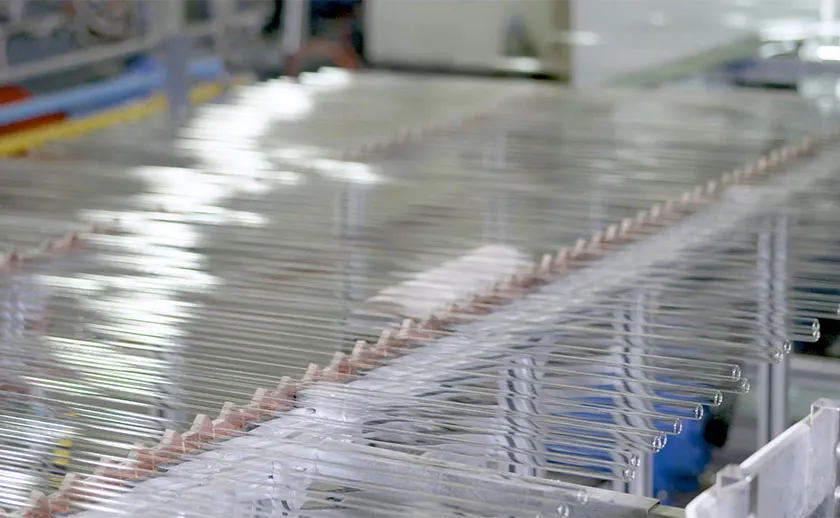
LINUO’s manufacturing facilities combine automated production equipment with digital process management.
Depending on the production line, LINUO uses monitoring systems, including Siemens-based equipment where applicable, together with MES to collect relevant production data and process parameters.. Depending on the product line, the monitored information may include raw material batches, forming information, production parameters, inspection results, packaging data and finished-product records.
This allows quality control to move beyond isolated end-product testing. Process records, online inspection information and applicable laboratory results can be reviewed together during batch evaluation and product release.
The specific inspection configuration varies by product. LINUO does not apply one identical testing method to every type of pharmaceutical glass packaging.
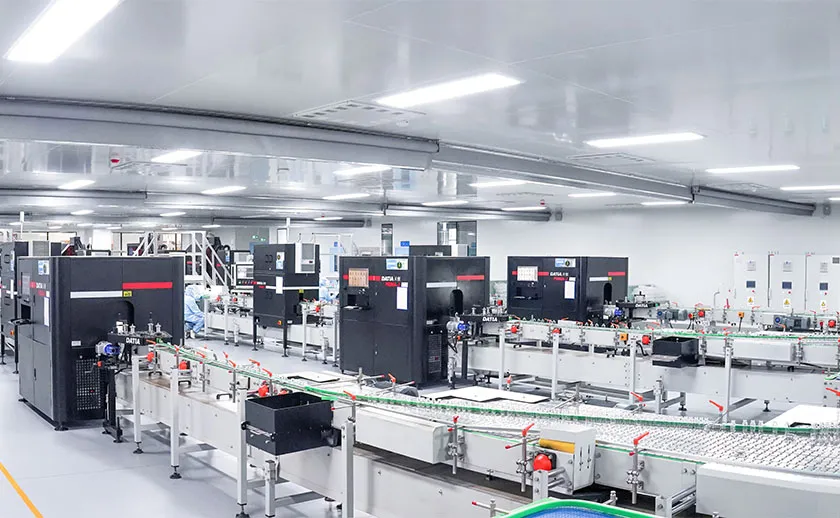
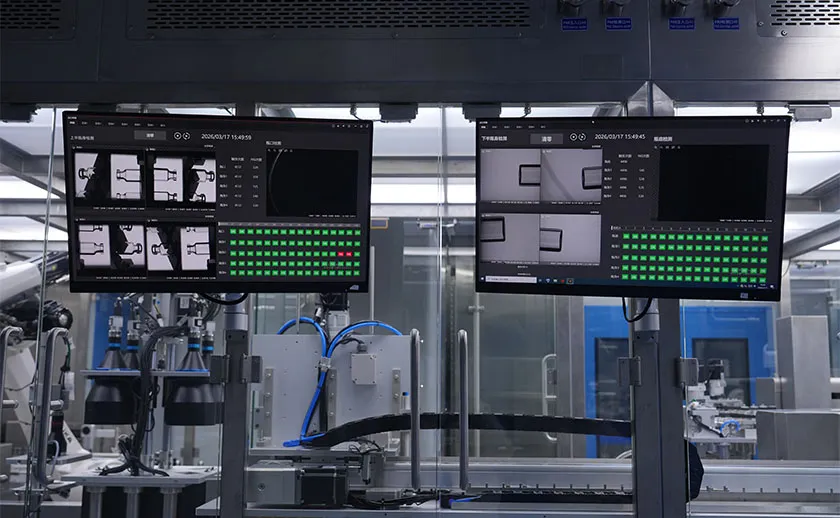
LINUO’s pharmaceutical glass tubing lines use multi-camera online inspection to monitor important dimensional characteristics. The inspected parameters can include:
These characteristics are important because pharmaceutical glass tubing is the starting material for tubular containers such as ampoules, vials and cartridges. Stable tubing dimensions support subsequent forming and dimensional control.
LINUO’s ampoule production integrates forming, annealing, inspection and packaging processes.
Online systems are used to inspect the appearance and dimensions of ampoules. These controls help identify products that do not meet the applicable specifications before packaging and release.
Laboratory testing can further evaluate characteristics such as break-off force, internal pressure resistance, thermal shock performance and residual stress, according to the product specification and project requirements.
Tubular vials undergo precision forming followed by online quality inspection.
Dimensional consistency is especially important for compatibility with filling lines and closure components. LINUO combines production equipment, dimensional inspection and non-contact packaging processes to manage the quality of tubular glass vials throughout manufacturing.
Cartridges are functional parts of drug-delivery systems and therefore require control of both appearance and critical dimensions.
LINUO uses online dimensional and visual inspection for cartridge production. Its manufacturing configuration also includes an online siliconization line and automatic packaging. Inspection requirements are determined according to the cartridge specification and the intended project.
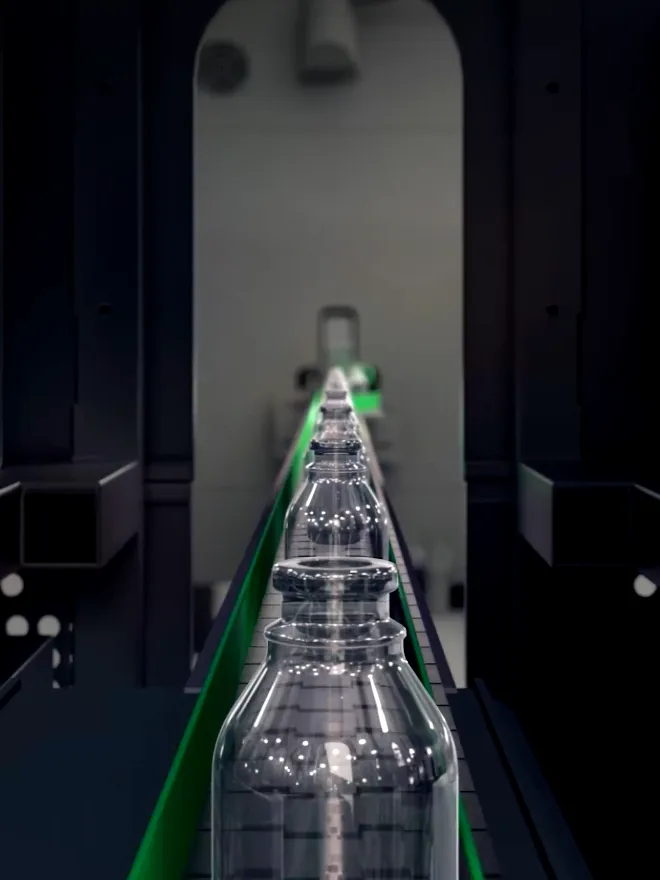
LINUO’s molded glass bottle production lines use a 12-camera AI inspection system to perform 360-degree inspection.
The system supports inspection of bottle appearance and dimensions. Wall-thickness monitoring is also applied during manufacturing. These controls are connected with MES and WMS management to support production records, warehousing and traceability.
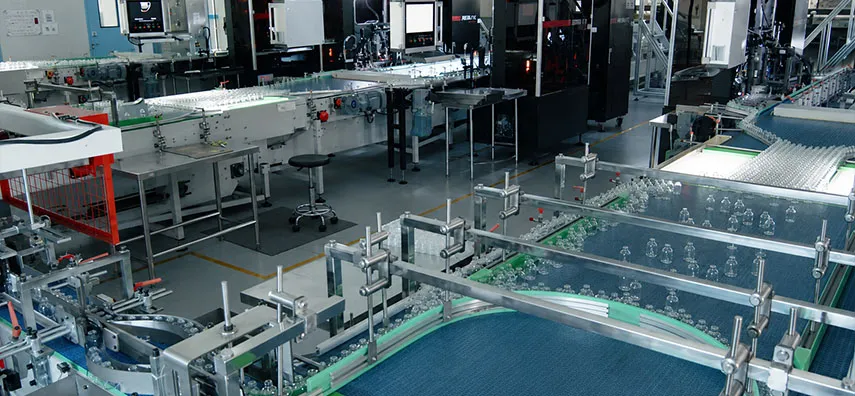
For applicable RTU product lines, LINUO uses CCD and AI-based inspection as part of a controlled manufacturing process that includes Grade A, ISO 5 cleanroom environments where required.
The RTU manufacturing process may include controlled cleaning, sterile barrier packaging, sterilization, inspection and batch release. The exact production configuration, sterilization method, testing requirements and release documentation depend on the selected product and customer project.
RTU packaging should therefore be evaluated according to its specific processing and release documentation rather than treated as a single universal specification.
LINUO’s laboratory received CNAS accreditation in 2012 under accreditation number L5691.
The laboratory is equipped to support testing related to pharmaceutical glass packaging and can conduct relevant evaluations according to requirements associated with the Chinese Pharmacopoeia, USP, EP and JP. The exact accredited scope and applicable testing documents should be confirmed for each product and project.
LINUO’s laboratory equipment includes instruments used for glass composition and material analysis, such as:
These instruments support the examination of material composition, surface characteristics and other glass-related properties required by the applicable testing plan.
The laboratory can evaluate physical and mechanical characteristics including:
The required test items depend on the packaging format. For example, ampoule break performance and bottle internal pressure are different quality considerations and must be assessed using the relevant specifications and test methods.
LINUO uses dimensional and appearance measurement equipment such as:
These instruments complement online inspection by providing laboratory measurement and verification of critical product characteristics.
Laboratory equipment also includes high- and low-temperature chambers, constant-temperature and humidity chambers, and autoclaves.
Depending on the product and project,Depending on the applicable testing plan, these facilities can support temperature and humidity testing, chemical resistance evaluation and sterilization-related testing.
Inspection only strengthens quality control when the results can be connected to the relevant production batch.
LINUO uses MES to record and manage manufacturing information across the production process. Traceable records may include:
This structure supports both forward and reverse traceability. A finished-product batch can be traced back to relevant manufacturing and material information, while material records can be connected with the finished batches in which they were used.
WMS supports the management of materials and finished products during warehouse movements. Together, MES and WMS help connect manufacturing, inspection, packaging, storage and shipment data.
LINUO’s quality-control process combines automated inspection with laboratory verification and documented release procedures.
A typical quality-control sequence can include:
This layered approach helps ensure that product release is based on manufacturing records, inspection results and testing information rather than a single visual check.
The exact release process and documentation depend on the product category, customer specifications and regulatory requirements of the target market.
Pharmaceutical companies must evaluate not only a container but also the manufacturer’s quality and production capabilities.
LINUO can support supplier qualification through company information, manufacturing capability details, product documentation, quality records and audit cooperation. Customer audits can be arranged for qualified projects according to the project stage, business requirements, quality needs and applicable confidentiality agreements.
Where feasible, LINUO can also work with customers to align:
For extractables and leachables assessments, LINUO can provide relevant material and product information. The final evaluation must be performed according to the customer’s drug formulation, packaging system and regulatory strategy.
Quality credibility in pharmaceutical glass packaging is created through verifiable processes and records.
LINUO connects incoming-material control, automated production monitoring, product-specific online inspection, CNAS-accredited laboratory testing, finished-product release and MES/WMS traceability. This structure provides pharmaceutical customers with a clearer view of how packaging quality is monitored from material entry through manufacturing and shipment.
Because pharmaceutical packaging requirements vary by product, formulation and target market, Pharmaceutical companies evaluating glass packaging can contact LINUO to discuss product specifications, inspection requirements, quality documents, batch traceability and supplier qualification needs for a specific project.
Yes. LINUO’s laboratory received CNAS accreditation in 2012 under accreditation number L5691. The exact accreditation scope applicable to a test or product should be confirmed for the specific project.
Yes. LINUO uses online inspection systems, including camera, CCD and AI-based equipment. The inspection configuration differs among glass tubing, ampoules, vials, cartridges, molded bottles and RTU products.
LINUO uses MES to connect raw material, production, inspection, packaging, finished-product and shipment records. WMS supports warehouse and inventory management.
Depending on the product line, inspection can cover critical dimensions and cosmetic characteristics such as cracks, chips, scratches, stains, deformation and contamination marks. The specific inspection items are defined by the product specification.
Customer audits can be arranged for qualified projects according to the project stage, business needs, quality requirements and confidentiality arrangements.
Мы ответим вам в течение 24 часов. В экстренных случаях добавьте нас в WhatsApp или WeChat: +8618615646416 или позвоните напрямую по номеру +8618615646416.
*Мы уважаем вашу конфиденциальность, и вся информация защищена.
Мы будем использовать вашу информацию исключительно для ответа на ваш запрос и никогда не станем отправлять нежелательные электронные письма или рекламные сообщения.