








About Us
If you have any problems during product use,please feel free to contact us


Scroll Down

 October 12, 2026
When qualifying a supplier of ready-to-use sterile vials, pharmaceutical manufacturers and CDMOs should review how the supplier controls water quality, vial washing and inspection before release. A description of the equipment provides useful background, but the qualification decision also needs evidence linked to the selected vial and production process.
An effective review of the RTU glass vial washing process should answer five questions: Which water system serves the line? How are water and gas stages defined? What is checked during and after washing? How is endotoxin control demonstrated? Which records support the supplied batch?
LINUO’s manufacturing configuration provides a basis for this discussion: a sterile product workshop with a total investment of RMB 400 million, a Chutian Huatong water treatment system with a single-unit investment exceeding RMB 10 million, a four-water and five-gas cleaning design, and automatic online inspection during and after cleaning.
This guide explains what buyers should verify around those capabilities before completing supplier qualification.
A supplier review becomes more useful when the requested product is clearly defined. For ready-to-use sterile vials, buyers should identify the vial size, glass specification, packaging format and intended supply status before reviewing washing documentation.
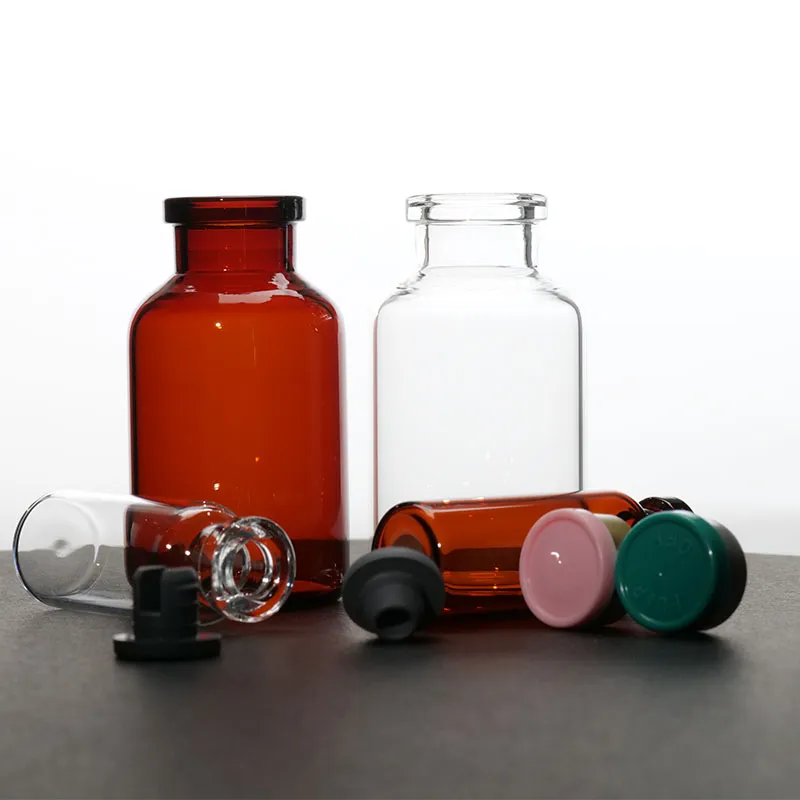
LINUO’s RTU Glass Vials portfolio includes Nest & Tub and Tray formats. Buyers should specify the configuration under evaluation so that process descriptions, drawings and quality records can be matched to the correct product.
The initial enquiry should include:
These details help distinguish a general manufacturing overview from evidence applicable to a particular supply project.
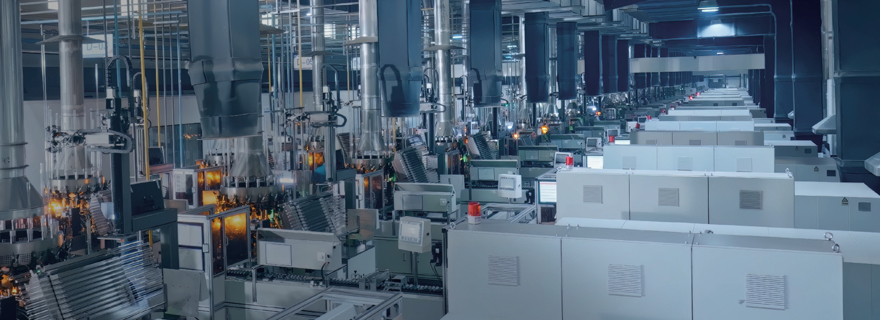
LINUO’s sterile product workshop has a total investment of RMB 400 million. It is equipped with a Chutian Huatong water treatment system, with a single-unit investment exceeding RMB 10 million.
These investments describe the infrastructure supporting sterile packaging production. Qualification should then examine how that infrastructure is controlled in operation.
During qualification, connect that infrastructure to the actual washing line. An RTU vial water system review should identify the water source, distribution arrangement and points of use relevant to the selected product.
Ask how the water specifications are established, where monitoring takes place and how results are reviewed. Where applicable, discuss water-quality attributes such as conductivity, total organic carbon, microbiological quality and endotoxin. The supplier should identify the attributes and acceptance criteria that apply to each water type.
| Review area | Question for the supplier | Evidence to request for the agreed scope |
| System scope | Which water system supplies the selected RTU vial line? | Applicable system description and process or distribution diagram |
| Water definition | How are high-purity water and WFI defined and controlled? | Approved water specifications and applicable reference standards |
| Qualification | What qualification evidence applies to the system and its current configuration? | Relevant qualification summary and document revision |
| Monitoring | Where is water sampled, what is tested and how are results reviewed? | Sampling plan, monitoring approach and relevant results |
| Maintenance and changes | How are maintenance, deviations and system changes assessed? | Applicable procedures and relevant review records |
The available document package and level of access should be agreed with the supplier for the qualification stage.
Buyers can use Our Factory as an introduction to LINUO’s manufacturing capabilities, then discuss the evidence needed for their supplier assessment.
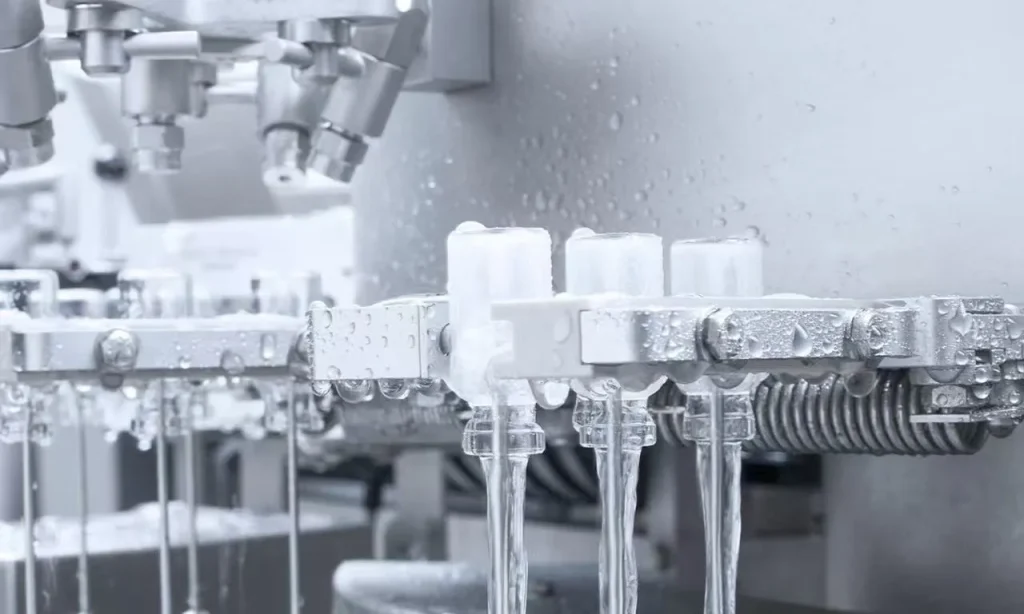
LINUO’s stated cleaning configuration uses a four-water and five-gas design, including two routes of high-purity water and two routes of Water for Injection (WFI).
Buyers should request a process explanation showing how these water routes and gas stages fit into the washing sequence. “Route,” “stage” and “cycle” can describe different aspects of equipment operation, so their meaning should be clear in the applicable documentation.A stage count alone does not define cleaning performance. The review should establish:
Buyers should also confirm whether terms such as “route,” “stage” and “cycle” describe separate supply paths, sequential operations or repeated actions. These terms should not be treated as interchangeable without a process explanation.
When assessing a WFI rinse for glass vials, connect the water specification to its actual use at the washing line. Ask which WFI points serve the equipment, how their status is monitored and which records relate to the relevant production period.
The approved process should also clarify any operating parameters used to control rinsing. Temperature, pressure, flow and duration can be discussed as review questions where relevant.
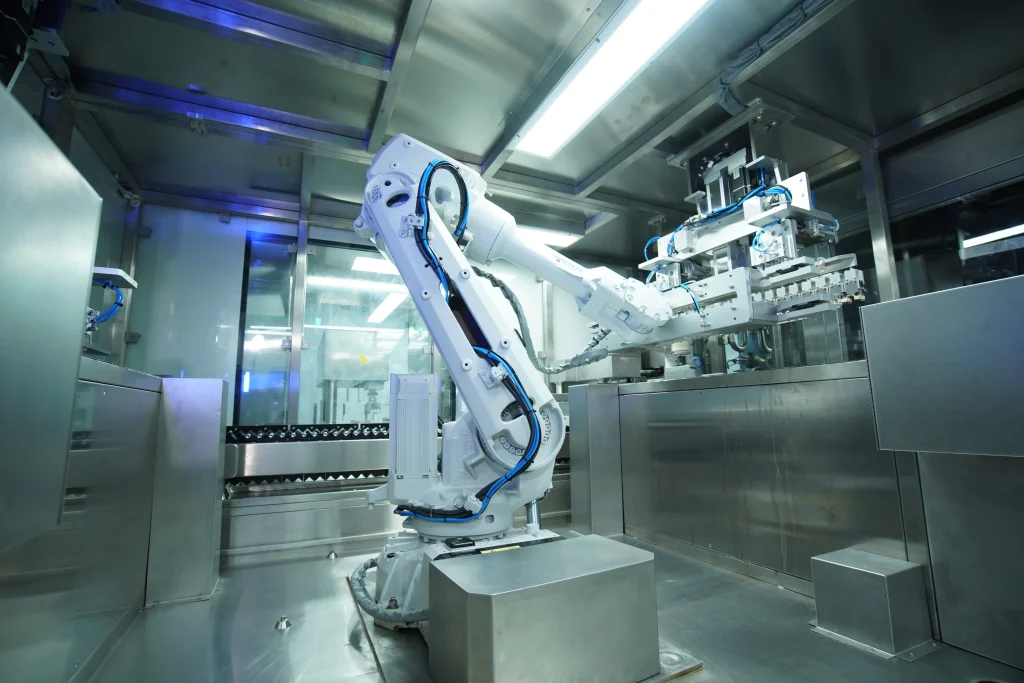
LINUO has automatic online inspection at two control points: during cleaning and after cleaning.
For buyers, the next question is what each point checks and how the result affects the material moving through the line. Inspection locations and inspection functions should be reviewed together.
| Control point | What buyers should clarify | Why it matters |
| During cleaning | Which conditions or attributes are monitored, and what triggers an abnormal result? | Defines the role of in-process control |
| After cleaning | Which attributes are checked before downstream processing? | Defines the post-cleaning acceptance boundary |
| Abnormal results | What happens to affected vials, and who authorizes the disposition? | Connects detection to material control |
| Inspection records | How are results linked to the relevant production run or batch? | Supports review and traceability |
An assessment of endotoxin control for glass vials should connect the product specification, manufacturing controls and test results. Buyers need more than a general statement that a vial is clean or sterile.
For the agreed RTU vial configuration, request clarification of:
LINUO’s four-water and five-gas configuration is intended to strengthen cleaning and endotoxin control.
Water-system monitoring, washing controls, online inspection and finished-product testing each provide different information. Buyers should establish the role of each within the qualification package rather than treating one record as a substitute for all the others.
LINUO applies full lifecycle product management, supported by a quality management system, a complete validation plan, ongoing production-environment monitoring and standardized finished-product release testing. Its core quality, production, equipment and process teams have pharmaceutical-factory experience. The project review should identify which portions of that framework apply to the selected RTU vial and requested supply status.
The CNAS page introduces LINUO’s laboratory capabilities. For a specific qualification project, buyers should confirm the applicable method, report scope and whether the requested test falls within the laboratory’s relevant accredited scope.
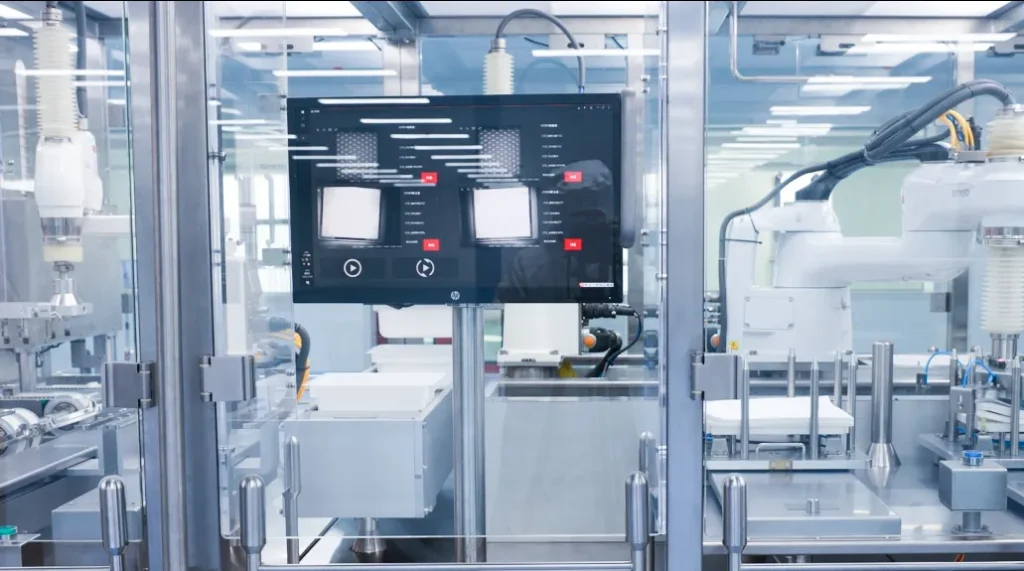
LINUO’s full lifecycle management approach covers raw materials, production and finished-product release. Its core quality, production, equipment and process teams have pharmaceutical-factory experience.
For purchasing and quality teams, the practical task is to establish how the selected product moves through those controls and which records support acceptance.
A concise qualification checklist can bring the review together:
| Qualification item | What should be aligned before acceptance |
| Product definition | Vial reference, size, glass specification and packaging configuration |
| Water system | Applicable system, water definitions and qualification status |
| Washing process | Approved sequence, controlled parameters and product applicability |
| Dual inspection | Detection scope, acceptance criteria and abnormal-material handling |
| Endotoxin evidence | Limit, unit, method, sampling basis and relevant result |
| Production records | Connection between process information and the supplied lot |
| Release documentation | Applicable specification, CoA or agreed release package |
| Changes and deviations | Notification, review and disposition expectations |
The checklist can support an initial document review, a technical meeting or a supplier audit. Any unresolved item should become a specific follow-up request.
A focused enquiry gives LINUO’s technical and quality teams a clearer basis for discussing your requirements.
Provide the vial size, packaging format, intended application, destination market and qualification stage. Then identify the evidence your team needs to review, such as water-system scope, washing-sequence clarification, dual-node inspection functions or batch-linked endotoxin information.
This approach keeps the discussion centered on the actual packaging project and helps buyers assess supplier capability against defined requirements.
Share your vial size, packaging format, application, target market and qualification stage. Identify whether your immediate priority is water-system review, washing-process clarification, inspection functions or batch-linked quality documentation.
Contact Us to discuss the selected RTU vial configuration and the technical information needed for your supplier assessment.
Buyers should verify which system serves the selected line, how water types are defined, what qualification evidence applies, how water is monitored and how maintenance or changes are controlled. The review should match the intended vial and project scope.
LINUO’s stated design includes two routes of high-purity water and two routes of Water for Injection, within a four-water and five-gas configuration. The detailed sequence and controlled parameters should be confirmed through the applicable process documentation.
That capability has not been established by the supplied information. LINUO specifies automatic online inspection during and after cleaning. Buyers should separately confirm inspection functions and request the applicable endotoxin testing evidence.
The review should establish the approved limit and unit, applicable method, sampling or extraction basis, relevant test result and batch-release decision. Document availability should be confirmed for the agreed project stage.
Investment demonstrates infrastructure commitment. Washing performance should be assessed through the applicable qualification evidence, process controls, monitoring records and product test results.
We will reply to you within 24 hours. If for urgent case, please add WhatsApp/WeChat: +8615953131507, Or call +8618615646416 directly.
*We respect your confidentiality and all information are protected.
We will only use your information to respond to your inquiry and will never send unsolicited emails or promotional messages.