








О нас
Если у вас возникнут какие-либо проблемы при использовании продукции, пожалуйста, свяжитесь с нами.


Прокрутите вниз

 August 28, 2026
 Search results for “glass syringe manufacturer” mix reusable laboratory and veterinary glass syringes with sterile, single-use prefillable barrels used to package injectable drugs. If you’re sourcing for a drug product, the barrel you need is not the same item a school lab or animal clinic orders, and using the wrong term in an RFQ produces the wrong quote.
A reusable glass syringe is a barrel-and-plunger assembly meant to be filled, used, cleaned, and reused. It’s built for lab metering, veterinary dosing, or industrial fluid handling, and durability under repeated autoclaving matters more than sterile barrier integrity.
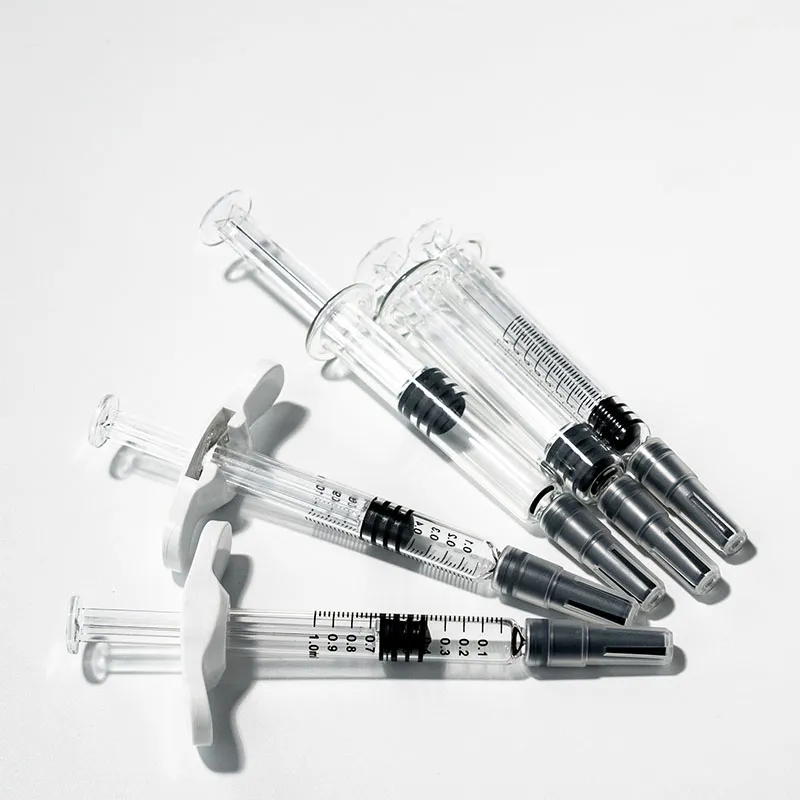
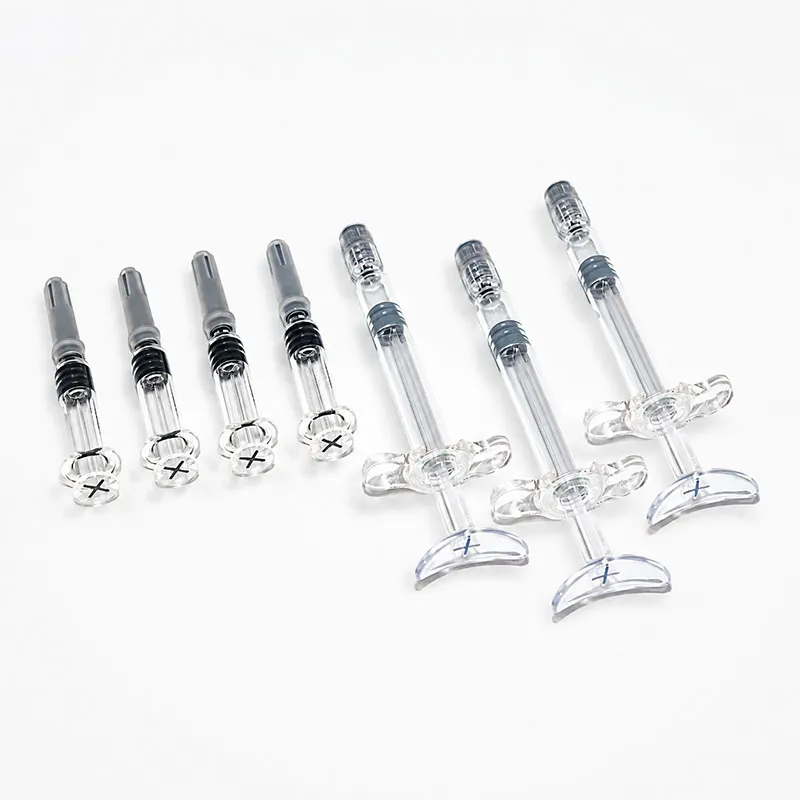
A prefillable glass syringe barrel is a single-use, empty sterile container designed to be filled once by a pharmaceutical manufacturer, sealed, and shipped as part of a finished drug product. It’s not sold as a complete syringe with a plunger rod attached — it’s a component that a fill-finish line assembles into the final injection device. The two share a name and a rough shape. Their specifications, supply chains and regulatory requirements differ substantially.
Buyers land on “glass syringe manufacturer” for at least three different reasons, and only one of them matches what a pharmaceutical packaging supplier like LINUO produces:
LINUO’s prefillable syringe line is published in the following configurations:
| Attribute | Published Range / Options |
| Nominal Sizes | 1 ml long, 1 ml, 2.25 ml, 3 ml, 5 ml, 10 ml |
| Needle Format | Staked-needle, tapered (needle mounted separately), Luer-lock |
| Supply Format | Nested (ready-to-fill trays) or bulk |
| Glass Composition | Tungsten-free borosilicate glass barrel option |
| Siliconization | Controlled siliconization, adjustable by application |
| Typical Drug Categories | Antibody drugs, biologics, vaccines, aesthetic injections and other high-value injectable products |
Tungsten-free glass matters specifically for biologics and monoclonal antibody formulations, where residual tungsten from conventional needle-forming can act as a nucleation site for protein aggregation. If a formulation team hasn’t flagged tungsten sensitivity, it’s worth asking — the wrong barrel choice here shows up later as a stability failure, not a packaging defect.
| Dimension | Reusable Glass Syringe | Prefillable Glass Barrel |
| Intended Use Cycle | Filled, cleaned and reused repeatedly | Filled once, sealed and discarded with the device |
| Sterility at Delivery | Not sterile as shipped | Washed, siliconized and supplied ready for aseptic filling |
| Plunger Included | Yes, supplied as a complete unit | No—supplied as a barrel component only; the plunger or stopper is sourced separately |
| Regulatory Documentation | Typically limited to general product literature | FDA DMF, ISO 13485 assembly certification and container-closure compatibility data |
| Supply Format | Individually packed units | Nested trays or bulk cartons matched to filling-line automation |
| Buyer | Laboratories, clinics and hobbyists | Biopharmaceutical manufacturers, CDMOs and device assemblers |
The comparison holds regardless of which manufacturer is quoting — it’s a category distinction, not a brand one. Compared with typical general-purpose glassware sourcing, prefillable barrel procurement runs through a validation and documentation process rather than a straightforward catalog order,because the barrel becomes part of the primary container-closure system and, in some applications, a drug-device combination product.
Buyers new to this category often start the RFQ with volume and price, then discover mid-negotiation that the supplier can’t support their device format. A more workable sequence:
Buyers sometimes treat “glass syringe” and “prefillable syringe” as interchangeable terms inside a single RFQ, listing both a size range and a plunger requirement together. Suppliers on the pharmaceutical side read that as a request for a complete finished syringe, which isn’t what most prefillable-barrel manufacturers produce — the barrel and the plunger/stopper are typically sourced and validated as separate components, even when they come from related supply chains. Separating the RFQ into “barrel specification” and “closure component specification” gets a faster, more accurate quote.
Certifications That Apply to Prefillable Barrels
LINUO’s prefillable syringe line is documented under the following records:
For buyers evaluating barrel dimensions and closure fit against a pen-injector platform, ISO 11040 is the relevant international standard series for prefilled syringes and is a reasonable reference point when comparing suppliers’ technical data sheets.
Not necessarily. The first term covers any glass syringe, including reusable lab and veterinary units. The second refers specifically to sterile, single-use barrels for pharmaceutical fill-finish. Pharmaceutical packaging suppliers generally only produce the second category.
LINUO’s published syringe line is prefillable barrels for pharmaceutical drug packaging, not reusable lab or veterinary syringes.
In conventional staked-needle barrel production, tungsten pins may be used to form the needle channel, potentially leaving trace residues. Tungsten-reduced or tungsten-free manufacturing options may therefore be evaluated for sensitive protein formulations. which can leave trace tungsten residue. For some biologic and antibody formulations, that residue has been linked to protein aggregation risk, so tungsten-free barrels are specified. Whether it’s required depends on the drug formulation — check with your formulation team.
A staked-needle barrel has the needle permanently mounted during manufacturing. A tapered format uses a cone fitting for a needle attached later. Luer-lock uses a threaded fitting for a separately attached needle or connector. The choice is dictated by the delivery device or administration method, not by preference alone.
No. Nested ready-to-fill barrels and bulk barrels may differ in washing, siliconization, sterilization, packaging and filling-line requirements. Buyers should confirm the processing status of the quoted format.
Confirm the nominal size, needle format, filling-line configuration, supply format, tungsten requirement, siliconization requirement, closure components and target regulatory market before beginning sample evaluation.
Мы ответим вам в течение 24 часов. В экстренных случаях добавьте нас в WhatsApp или WeChat: +8618615646416 или позвоните напрямую по номеру +8618615646416.
*Мы уважаем вашу конфиденциальность, и вся информация защищена.
Мы будем использовать вашу информацию исключительно для ответа на ваш запрос и никогда не станем отправлять нежелательные электронные письма или рекламные сообщения.