







Frequently Asked Questions

Got Questions? We Have Answers

Everything you need to know about LINUO's pharmaceutical glass products, quality standards, and services — answered clearly and directly.

Scroll omlaag

Products & Materials

  • What RTU products do you offer?

    We offer RTU glass vials and RTU glass cartridges for aseptic filling applications. These ready-to-use formats are designed for pharmaceutical customers who need clean, sterilized, and filling-ready primary packaging.

  • What makes your RTU vials different from standard vials?

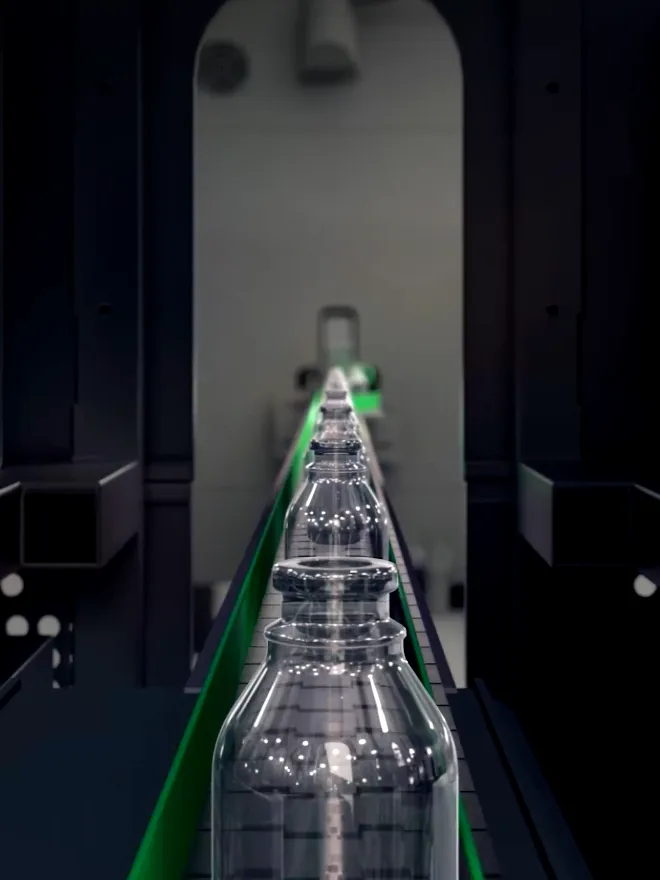
    Our RTU vials are supplied ready to use. Customers do not need to perform washing, depyrogenation, sterilization, or drying before filling, allowing the vials to go directly into the aseptic filling process according to their operating procedures.

  • What makes your RTU cartridges suitable for drug delivery systems?

    RTU cartridges are designed for cartridge-based drug delivery systems, including injection pens and pump systems. They support high dosing accuracy, stable piston movement, and efficient aseptic filling.

  • What cleaning process is used for your RTU products?

    Our RTU products follow a controlled cleaning process that includes one cycle of clean compressed air, two cycles of purified water, and two cycles of Water for Injection. The process is supported by 0.25 μm filtered clean air to help maintain pharmaceutical-grade cleanliness.

  • What endotoxin level can your RTU products achieve?

    For applicable RTU products, endotoxin can be controlled below 0.25 according to agreed specifications and testing requirements.

  • How are your RTU products packed?

    Our RTU products can be supplied in Tray or Nest & Tub formats. Nest & Tub packaging provides non-contact protection to reduce glass-to-glass contact, scratches, particles, and breakage risk, while Tray packaging can support different handling and filling requirements.

  • Are your RTU products compatible with automated filling lines?

    Yes. Our RTU vials and cartridges are designed to support mainstream automated filling, stoppering, sealing, and inspection processes.

  • What applications are RTU vials suitable for?

    RTU vials are suitable for vaccines, mRNA vaccines, biologics, blood products, monoclonal antibodies, oncology drugs, lyophilized drugs, and high-value injectable formulations.

  • What applications are RTU cartridges suitable for?

    RTU cartridges are suitable for insulin, GLP-1 therapies, HGH, biologics, dental anesthetics, blood products, and other cartridge-based injectable therapies.

  • Can RTU products help reduce customer investment?

    Yes. RTU products can help reduce the need for customer-side WFI systems, depyrogenation tunnels, sterilization equipment, cleanroom space, and preparation labor.

  • What standard pharmaceutical packaging products do you offer?

    We offer standard glass vials, standard glass cartridges, molded bottles, ampoules, PFS-related solutions, pen injectors, pharmaceutical glass tubing, rubber stoppers, and caps.

  • What are your key recommended products?

    Our key recommended products are RTU vials, RTU cartridges, standard cartridges, standard vials, and PFS solutions.

  • What glass material do you use for pharmaceutical packaging?

    We focus on pharmaceutical-grade borosilicate glass,like Type I neutral borosilicate glass, which supports chemical resistance and drug stability.

  • Why is Type I borosilicate glass important?

    Type I borosilicate glass is widely used for pharmaceutical primary packaging because it provides high hydrolytic resistance, strong chemical durability, low alkali release, and reduced risk of trace metal release, including elements such as lead, cadmium, arsenic, chromium, nickel, and aluminum. It also offers good thermal stability and mechanical strength, helping protect sensitive formulations, support pH stability, reduce container-drug interaction risk, and improve reliability during filling, sterilization, storage, and transportation.

  • Are your products suitable for biologics?

    Yes. Selected vials, cartridges, RTU formats, and PFS solutions can support biologics, subject to compatibility evaluation.

  • Can your packaging be used for vaccines?

    Yes. Our vial and RTU vial solutions can support conventional vaccines, mRNA vaccines, and other vaccine packaging projects.

  • Can your cartridges be used for injection pens?

    Yes. Our cartridge products are designed for pen injectors and other drug delivery systems where inner diameter consistency and piston performance are critical.

  • Do you offer dual-chamber cartridges?

    Yes. Dual-chamber cartridge options can be discussed for powder-and-solvent combinations where separated storage and simplified reconstitution are needed.

  • Do you offer PFS solutions?

    Yes. We support PFS-related packaging needs, including needle syringes, taper tip syringes, and luer lock syringes. Available size options include 1ml long, 1ml, 2.25ml, 3ml, 5ml, and 10ml, supporting applications for injectable drugs, biologics, and advanced drug delivery systems.

  • Do you supply molded bottles?

    Yes. We supply molded glass bottles for injection, infusion, medicine, healthcare, and selected specialty packaging applications.

  • Do you supply ampoules?

    Yes. We supply pharmaceutical glass ampoules for injectable drugs, sterile liquids, and selected laboratory applications.

  • Can your products be used by laboratories?

    Yes. We serve laboratories requiring reliable pharmaceutical containers for reagents, samples, testing, storage, and controlled applications.

  • Can you support large pharmacy and compounding customers?

    Yes. We can support large pharmacies and compounding-related customers with suitable sterile and non-sterile pharmaceutical packaging options, backed by large-scale annual capacity: RTU cartridges 10 million pcs/year, RTU vials 70 million pcs/year, PFS 120 million pcs/year, Type I molded bottles 800 million pcs/year, vials 50 million pcs/year, and cartridges 100 million pcs/year.

  • Can you customize product specifications?

    Yes. We can review customized requirements for capacity, dimensions, finish, bottom design, coating, packaging format, and technical specifications.

  • Can you support V-bottom vials?

    Yes. V-bottom vial options can be discussed for applications where reducing residual volume is important, such as selected lyophilized drugs.

  • Can you support coated vials?

    Yes. Coated vial options can be discussed for special formulations requiring enhanced performance or specific interaction control.

  • Can you support customers from development to commercial supply?

    Yes. We can support laboratory evaluation, clinical development, scale-up, validation, and commercial supply based on project requirements.

  • How does your Brazil factory benefit customers?

    Linuo’s Brazilian factory helps customers strengthen supply chain security, diversify supply sources, and reduce dependence on a single manufacturing region. It also supports faster delivery, localized service, and customized production for customers in South America, the Americas, and global markets.

  • Can you serve European and North American customers?

    Yes. We serve customers in regulated markets, including Europe, North America, Latin America, and other global regions. For the U.S. market, we also have a local company and warehouse at 38 Thomas, Irvine, CA, supporting faster response, local service, and more efficient supply coordination.

  • Why choose Linuo for pharmaceutical packaging materials?

    Linuo provides a one-stop pharmaceutical packaging solution, combining a complete pharmaceutical glass packaging portfolio, Type I borosilicate glass expertise, RTU and standard product options, PFS capabilities, CNAS-accredited testing support, overseas manufacturing bases in Brazil and Egypt, China-based production strength, and long-term stable supply support.

Quality & Compliance

  • How do you control quality for RTU products?

    RTU quality is controlled through defined cleaning, drying or purging, filtered clean air, inspection, sterile barrier packaging, sterilization, testing, and batch release procedures.

  • What endotoxin level can be supported for RTU products?

    For applicable RTU products, endotoxin can be controlled below 0.25 according to agreed specifications and customer testing requirements.

  • How is Water for Injection used in RTU cleaning?

    Our RTU products are cleaned with 85°C Water for Injection to support pharmaceutical cleanliness and reduce contamination risk before filling.

  • How is clean compressed air used in the RTU process?

    RTU products are treated with five cycles of clean compressed air after cleaning, helping remove residual moisture and support cleanliness control.

  • What air filtration level is used for RTU cleanliness control?

    The RTU process is supported by 0.25 μm filtered clean air to help reduce airborne contamination risk.

  • How do you reduce particle risk in RTU packaging?

    Particle risk is reduced through controlled cleaning, filtered clean air, clean compressed air treatment, non-contact Nest & Tub packaging, clean-peel technology, and inspection.

  • Can RTU products support Grade A filling environments?

    Yes. Our RTU packaging is designed to support transfer into high-grade aseptic filling environments, including Grade A applications, according to customer procedures.

  • What sterilization method is used for RTU products?

    RTU products can be supplied with terminal ETO sterilization according to product configuration, customer requirements, and agreed specifications.

  • Can you provide RTU quality documents?

    Yes. For applicable RTU products, we can provide sterilization-related documents, endotoxin-related documents, inspection records, specifications, and batch release documents.

  • How do RTU products help customers reduce compliance risk?

    RTU products help reduce customer-side preparation steps, manual handling, and contamination control burden, supporting more consistent aseptic filling preparation.

  • What quality systems support your pharmaceutical packaging products?

    Our quality approach includes controlled production, inspection procedures, batch traceability, specification management, quality documentation, and customer-specific quality alignment.

  • Can you provide quality documents for European and U.S. customers?

    Yes. We can provide technical and quality documents based on product type, customer specifications, target market, and project requirements.

  • What quality documents can you provide?

    Documents may include product specifications, certificates of analysis, compliance statements, material information, batch records, inspection reports, and testing documents.

  • Do you support supplier qualification?

    Yes. We can support supplier qualification with company information, manufacturing capability details, product documents, quality records, and audit cooperation.

  • Can customers audit your manufacturing facilities?

    Yes. For qualified projects, customer audits can be arranged based on project stage, business needs, quality requirements, and confidentiality agreements.

  • Are your products suitable for regulated pharmaceutical markets?

    Our products are designed to support customers serving regulated markets such as Europe, the United States, Latin America, and other global regions.

  • What certifications or registrations can support customer confidence?

    Project materials indicate support such as ISO 15378, FDA DMF registration, EU CEP, Russian certification, and compliance alignment with USP, EP, JP, and ChP where applicable.

  • Do you have a CNAS-accredited laboratory?

    Yes. Linuo has a CNAS-accredited laboratory to support pharmaceutical packaging testing and quality evaluation.

  • What testing capabilities do you have?

    Testing capabilities include material analysis, chemical analysis, dimensional measurement, appearance inspection, physical and mechanical testing, and related pharmaceutical packaging evaluations.

  • How do you control batch-to-batch consistency?

    Batch consistency is managed through controlled processes, in-process checks, final inspection, batch records, MES traceability, and release procedures.

  • Do you provide traceability?

    Yes. MES-based traceability can support quality management, audits, investigations, and regulated supply requirements.

  • How do you control dimensional tolerance?

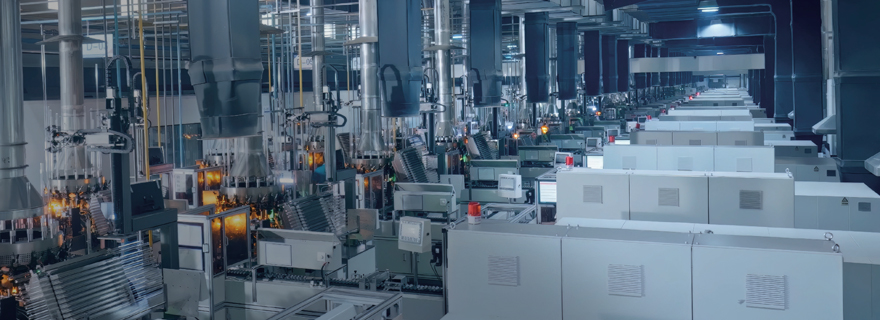
    We control dimensional tolerance through precision forming equipment, defined product specifications, in-process quality monitoring, and final inspection standards. Critical dimensions are checked by 360° automated inspection and AI intelligent inspection systems to support filling line compatibility, sealing performance, stoppering, capping, and end-use performance.

  • How do you manage cosmetic defects?

    We apply inspection standards and automated inspection where applicable to control cracks, chips, scratches, stains, deformation, contamination marks, and other visible defects.

  • Do you use AI or CCD inspection?

    Yes. Project materials show 100% CCD/AI inspection support for RTU lines and AI inspection capabilities across smart manufacturing systems.

  • How do you help reduce breakage risk?

    Breakage risk is reduced through material control, process stability, dimensional accuracy, non-contact packaging options, protective packaging, and proper logistics configuration.

  • Do you support extractables and leachables evaluation?

    We can provide relevant material and product information to support customer extractables and leachables assessment. Final evaluation should be based on the customer’s formulation.

  • How do you address glass delamination concerns?

    We support customers with suitable glass selection, product information, technical discussion, and compatibility evaluation based on formulation risk.

  • Can you align with customer-specific quality requirements?

    Yes. We can review customer-specific requirements and align inspection, documentation, packaging, release standards, and quality agreements where feasible.

  • How does your Brazil factory support supply compliance?

    The Brazil facility has passed ANVISA certification and provides an additional regional manufacturing source. This helps customers reduce dependence on a single supply region, strengthen long-term supply resilience, and better serve regulated markets in South America and beyond.

  • Why is Linuo a reliable partner for pharmaceutical packaging product?

    Linuo combines pharmaceutical glass expertise, RTU and standard product options, Type I borosilicate capability, CNAS testing, AI inspection, MES traceability, regulatory documentation support, and China-Brazil manufacturing flexibility.

Vraag een offerte aan

Openbaar bericht

    Wij antwoorden u binnen 24 uur. Is uw vraag dringend? Voeg ons dan toe via WhatsApp/WeChat: +8618615646416, of bel rechtstreeks naar +8618615646416.

    *We respecteren uw vertrouwelijkheid en beschermen al uw gegevens.

    We zullen uw gegevens uitsluitend gebruiken om op uw vraag te reageren en zullen nooit ongevraagde e-mails of promotionele berichten sturen.