









Onderscheidingen
Als u problemen ondervindt tijdens het gebruik van het product, kunt u gerust contact met ons opnemen


Scroll omlaag

 September 17, 2026
 RTU glass vials and RTU glass cartridges are both ready-to-use pharmaceutical packaging formats, but they are not used in the same way. The key difference is not only the container shape. It is the project workflow behind the container.
RTU glass vials are mainly used in vial-based aseptic filling projects. They are suitable for injectable drug projects where the drug is filled into a sterile vial and later closed, inspected, stored or supplied according to the customer’s process. LINUO’s RTU glass vials are supplied washing-free, depyrogenation-free and pre-sterilized, with 2R–50R sizes and Nest & Tub or Tray formats for aseptic filling-line integration.
RTU glass cartridges are mainly used in cartridge-based drug delivery systems. They are designed for projects where the container must work with piston movement, dosing performance and a delivery device such as an injection pen or pump system. LINUO’s FAQ states that RTU cartridges are designed for injection pens and pump systems, supporting high dosing accuracy, stable piston movement and efficient aseptic filling.
For pharmaceutical manufacturers, CDMOs and fill-finish teams, the practical question is not “which RTU format is better?” The better question is: “Does this project require vial-based filling or cartridge-based drug delivery?”
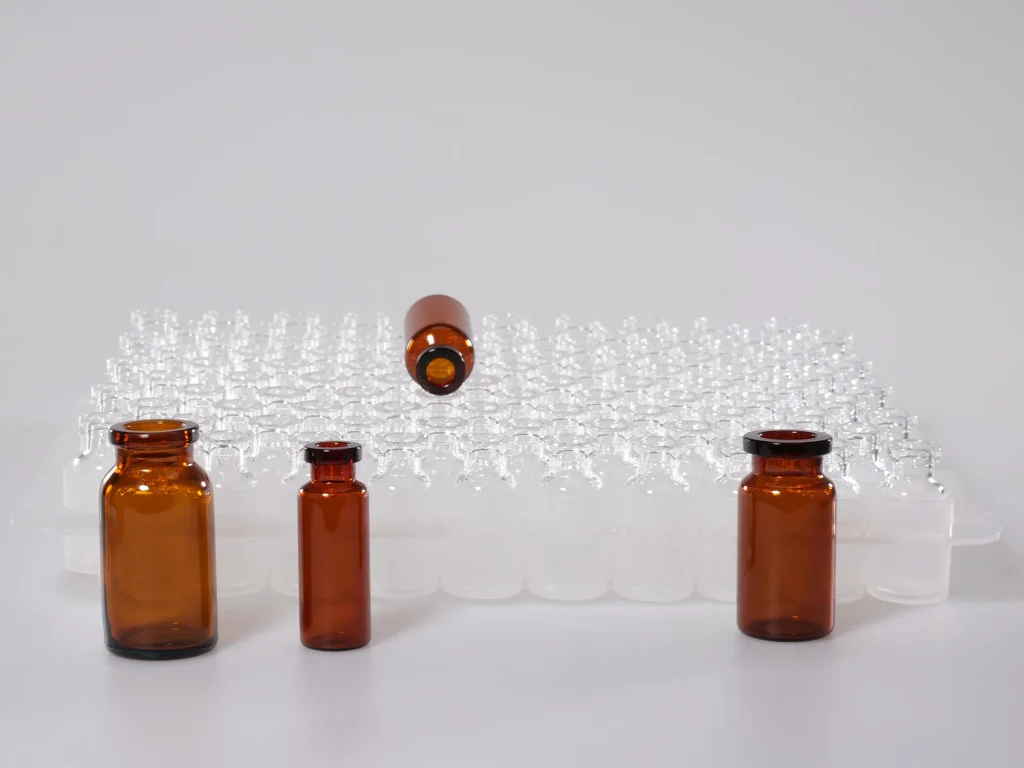
Choose RTU glass vials if your project focuses on vial-based aseptic filling, stoppering, capping, storage or lyophilized / liquid injectable supply.
Choose RTU glass cartridges if your project requires cartridge-based drug delivery, piston movement, dosing accuracy, injection pen compatibility or pump system integration.
This decision should be based on filling workflow, delivery system, closure components, equipment interface and customer-side validation requirements.
RTU packaging generally means the container is supplied in a prepared format for aseptic filling. However, RTU glass vials and RTU glass cartridges follow different packaging logic.
RTU-glazen injectieflacons focus on sterile vial presentation, filling-line loading, stoppering, capping or sealing, inspection and storage. The main concern is whether the vial format can match the customer’s aseptic filling workflow.
RTU-glazen cartridges focus on cartridge-based delivery. The cartridge must work not only with filling equipment, but also with pistons, closures and drug delivery devices. For this reason, inner diameter consistency, piston movement and device compatibility become more important than in a standard vial-based project.
This is why buyers should not choose only by “RTU” as a general category. The filling workflow and the final delivery system should guide the decision.
RTU glass vials are more suitable when the project is based on vial filling and vial closure.
This may include injectable drug projects where the drug product will be filled into sterile vials for later use in hospitals, clinical supply, commercial filling or controlled pharmaceutical distribution. LINUO lists RTU vials as suitable for vaccines, mRNA vaccines, biologics, blood products, monoclonal antibodies, oncology drugs, lyophilized drugs and high-value injectable formulations.
For these projects, buyers usually need to confirm:
LINUO’s RTU vial page lists 2R, 4R, 6R, 8R, 10R, 15R, 20R, 25R, 30R and 50R sizes, and states that standardized Nest & Tub and flexible Tray formats are designed for aseptic filling-line integration.
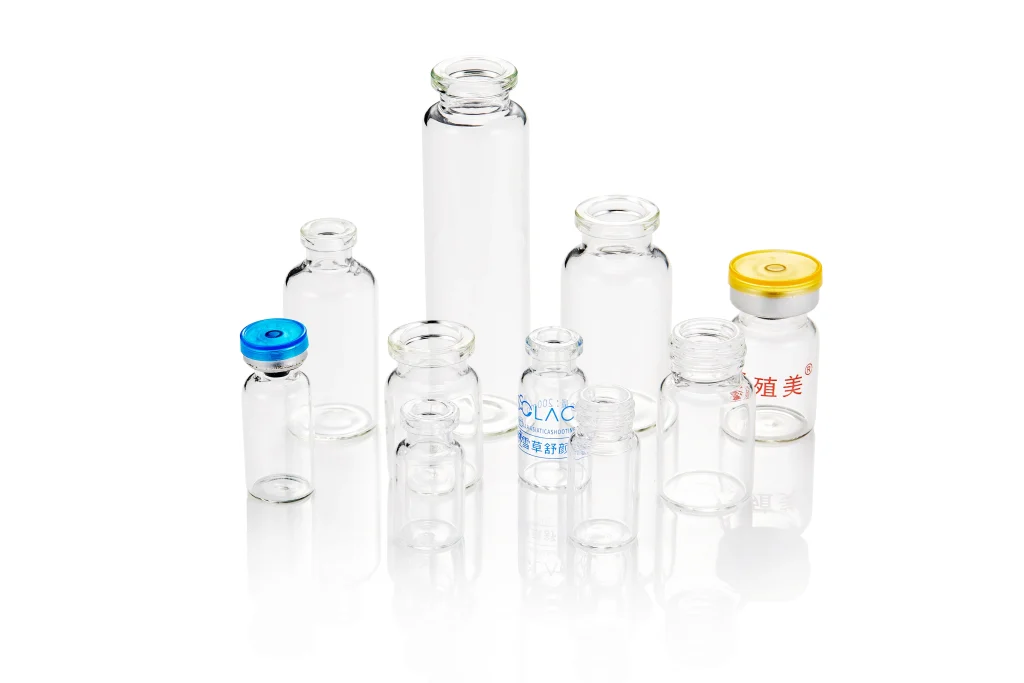
RTU glass cartridges are more suitable when the container must become part of a cartridge-based drug delivery system.
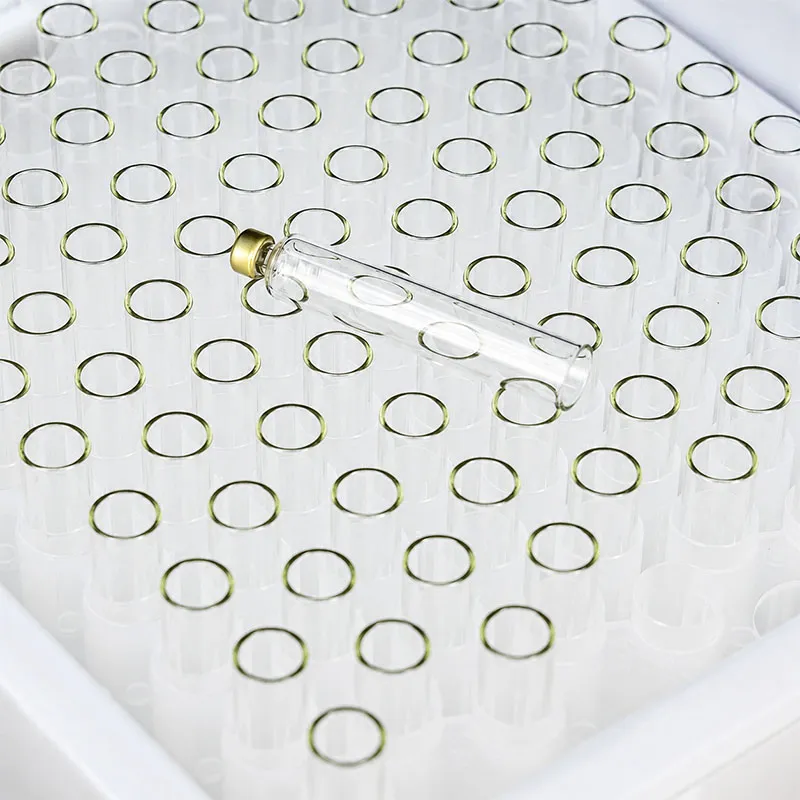
This is different from a vial project. A cartridge must support drug storage, filling, piston movement and delivery-device integration. LINUO’s RTU cartridge information states that ready-to-use sterile cartridges are supplied in an RTU-nest-en-tubsysteem and are processed for washing-free, pre-sterilized and direct-to-filling workflows for pen injector systems, biologics, vaccines and high-value injectable drug applications.
According to LINUO’s FAQ, RTU cartridges are suitable for insulin, GLP-1 therapies, HGH, biologics, dental anesthetics, blood products and other cartridge-based injectable therapies.
For these projects, buyers usually need to confirm:
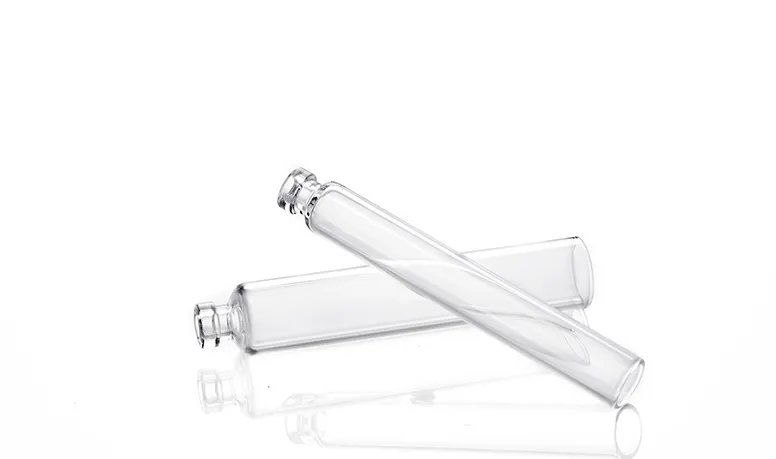
The filling workflow is one of the most important differences between RTU glass vials and RTU glass cartridges.
In a vial-based project, the container is filled and then closed with a stopper and cap or other closure system. The project team mainly evaluates vial presentation, sterile transfer, filling accuracy, stoppering, capping, inspection and storage conditions.
In a cartridge-based project, the container must also work with a piston or plunger system. The cartridge is not only a primary container; it becomes part of the delivery system. This means filling-line compatibility must be reviewed together with piston movement, closure design and final device integration.
The delivery system is the second major decision factor.
RTU glass vials are generally selected when the drug product will remain in a vial-based packaging format. This format is widely used for injectable drugs, vaccines, biologics and lyophilized drug projects where the vial remains the main primary package.
RTU glass cartridges are selected when the drug must work with a drug delivery device. LINUO identifies injection pens and pump systems as relevant cartridge-based delivery systems. Its glass cartridge information also connects cartridges with insulin, GLP-1 and dental applications where smooth gliding force, precise micro-dosing and reliable delivery performance are important.
Therefore, the buyer should begin with the end-use model:
Will the product be supplied in a vial-based format?
Will the product be used in an injection pen?
Will the project require piston movement?
Will the patient or healthcare provider use a delivery device?
Will the filling process need cartridge-specific components?
These questions help define whether the project should move toward RTU glass vials or RTU glass cartridges.
| Comparison Point | RTU-glazen flesjes | RTU Glass Cartridges | Buyer Consideration |
| Main Packaging Logic | Vial-based aseptic filling | Cartridge-based drug delivery | Start with the project’s filling workflow and final use |
| Typical Format | Nest & Tub or Tray | RTU-nest-en-tubsysteem | Confirm the packaging format against the filling-line setup |
| Available Sizes | 2R–50R, according to the LINUO RTU vial page | Standard: 1 mL, 1.5 mL, 1.8 mL and 3 mL; dual-chamber: 3 mL, 4 mL and 5 mL, according to LINUO RTU cartridge information | Confirm the size against fill volume, formulation and equipment |
| Application Direction | Vaccines, mRNA vaccines, biologics, blood products, monoclonal antibodies, oncology drugs, lyophilized drugs and high-value injectable formulations | Insulin, GLP-1 therapies, HGH, biologics, dental anesthetics, blood products and cartridge-based injectable therapies | Match the container with the drug product and use scenario |
| Key Process Focus | Sterile transfer, vial loading, filling, stoppering, capping and inspection | Filling, piston movement, closure matching and device integration | Do not evaluate the container separately from the process |
| Delivery System | Vial-based injectable packaging | Injection pens, pump systems and other cartridge-based delivery systems | Confirm whether the project requires a device-based delivery format |
| Compatibility Review | Vial size, sterile barrier, filling line, stopper/cap and validation plan | Cartridge dimensions, piston movement, closure system, filling line and device interface | Final suitability depends on a project-specific evaluation |
Before selecting RTU glass vials or RTU glass cartridges, pharmaceutical buyers should confirm the project requirements from both process and end-use perspectives.
For RTU glass vials, buyers should confirm:
For RTU glass cartridges, buyers should confirm:
This helps avoid choosing a container based only on product name. In real injectable projects, the correct format depends on the formulation, filling equipment, closure system, delivery device and validation plan.
LINUO’s FAQ states that the company offers RTU glass vials and RTU glass cartridges for aseptic filling applications, and that these formats are designed for pharmaceutical customers who need clean, sterilized and filling-ready primary packaging.
For RTU glass vials, LINUO provides 2R–50R vial sizes with Nest & Tub and Tray formats for aseptic filling-line integration.
For RTU glass cartridges, LINUO provides ready-to-use sterile cartridges for direct-to-filling workflows, with standard and dual-chamber options listed on its RTU cartridge information page.
Because both formats serve different project needs, buyers should communicate their drug formulation, filling process, required container size, closure components, delivery system, documentation needs and validation plan before confirming the final packaging format.
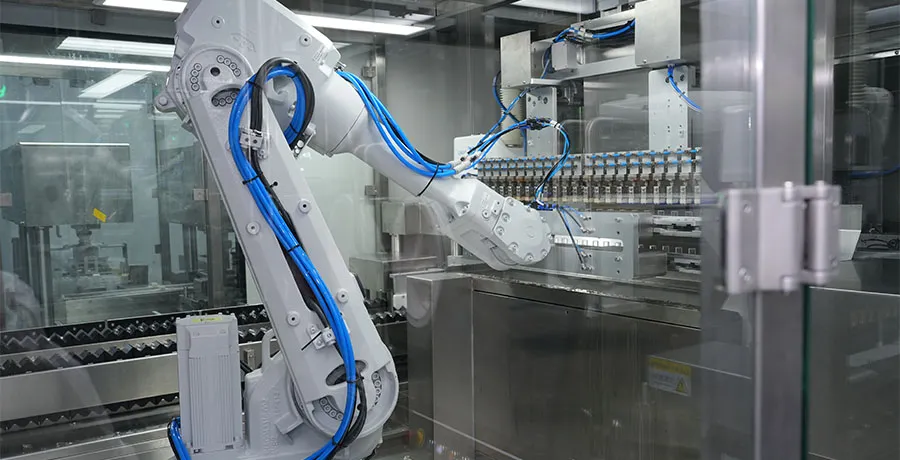
RTU glass vials and RTU glass cartridges are both ready-to-use sterile packaging formats, but they solve different project problems.
RTU glass vials are more suitable for vial-based aseptic filling projects where the focus is sterile vial supply, filling-line loading, stoppering, capping and inspection.
RTU glass cartridges are more suitable for cartridge-based drug delivery projects where the container must work with piston movement, dosing accuracy and a delivery device such as an injection pen or pump system.
The decision should not be based only on whether the container is RTU. It should be based on the filling workflow and the final delivery system. When these two points are clear, pharmaceutical manufacturers can choose the RTU format that better matches their injectable drug project.
RTU glass vials are mainly used for vial-based aseptic filling, while RTU glass cartridges are designed for cartridge-based drug delivery systems such as injection pens and pump systems.
According to LINUO’s FAQ, RTU vials are suitable for vaccines, mRNA vaccines, biologics, blood products, monoclonal antibodies, oncology drugs, lyophilized drugs and high-value injectable formulations.
According to LINUO’s FAQ, RTU cartridges are suitable for insulin, GLP-1 therapies, HGH, biologics, dental anesthetics, blood products and other cartridge-based injectable therapies.
Buyers should choose by filling workflow and delivery system. The selected container should match the formulation, filling equipment, closure system, delivery device and validation requirements.
No. RTU packaging can support cleaner and more efficient preparation before filling, but final suitability still depends on customer-side process confirmation, compatibility evaluation and finished-product release requirements.
We will reply to you within 24 hours. If for urgent case, please add WhatsApp/WeChat: +8615953131507, Or call +8618615646416 directly.
*We respecteren uw vertrouwelijkheid en beschermen al uw gegevens.
We zullen uw gegevens uitsluitend gebruiken om op uw vraag te reageren en zullen nooit ongevraagde e-mails of promotionele berichten sturen.