








Onderscheidingen
Als u problemen ondervindt tijdens het gebruik van het product, kunt u gerust contact met ons opnemen


Scroll omlaag

 7 augustus 2026
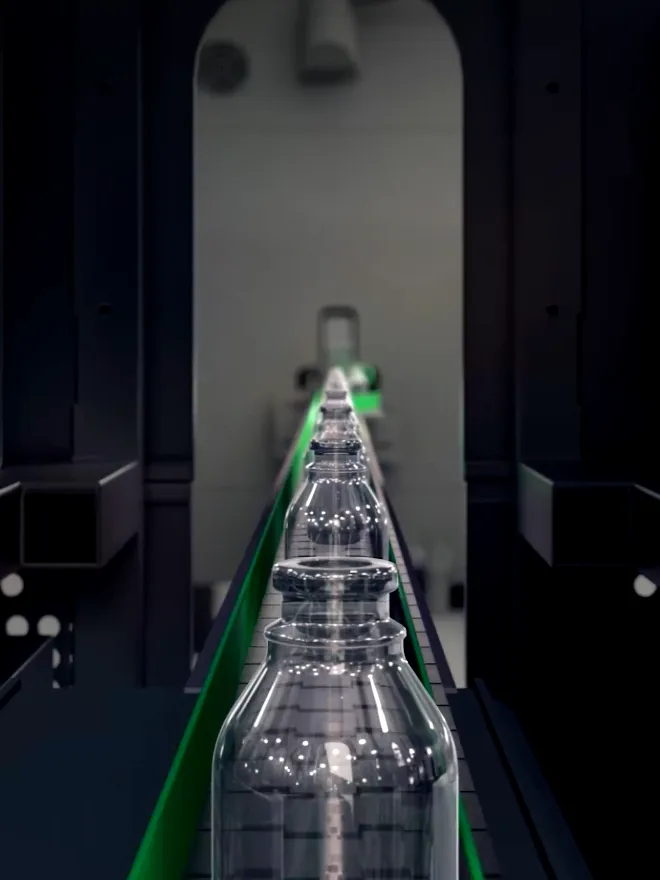
 RTU-glazen injectieflacons Ze worden geleverd in gewassen, pyrogeenvrije, verpakte en definitief gesteriliseerde toestand, waardoor uw afvul- en afsluitlijn de stappen voor het wassen en de pyrogeenverwijdering kan overslaan. Het ‘nest-and-tub’-systeem is ontworpen voor robotgestuurde verwerking van kleine, hoogwaardige batches; bij trayformaten worden grotere volumes op een andere manier verwerkt. De sterilisatiemethode en de documentatie zijn bepalender voor de kwalificatie-inspanningen dan de vorm van de flacons.
Een aankoop van bulkflacons is een aankoop van glas. Een aankoop van kant-en-klare flacons is een aankoop van glas, plus een verwerkingsstap die u aan uw leverancier hebt overgedragen, plus een sterilisatieclaim die u nu in uw eigen dossier moet onderbouwen.
Die overdracht is juist het hele punt, en daar komen ook de meeste verrassingen bij de kwalificatie vandaan. Het wassen, de pyrogenverwijdering, het in elkaar zetten en de eindsterilisatie vinden allemaal plaats in de faciliteit van de leverancier, volgens de door de leverancier gevalideerde cyclus. Uw procesvalidatie heeft geen betrekking meer op die stappen. Uw leverancierskwalificatie doet dat wel. Teams die wel budget reserveren voor de containerwissel, maar niet voor de aanpassing van de documentatie, lopen uiteindelijk zes weken achter.
De fysieke verandering in de productielijn is gemakkelijker te voorspellen. Wasmachines, de depyrogenisatietunnel en de verzameltafel stroomopwaarts van de vulnaalden komen tot stilstand. Stroomafwaarts blijft het grotendeels hetzelfde. De apparatuur stroomopwaarts wordt vervangen door een stap voor het openen van de bakken en het ontstapelen, en dat is waar de keuze tussen ‘nest-and-tub’ en ‘tray’ een rol gaat spelen.
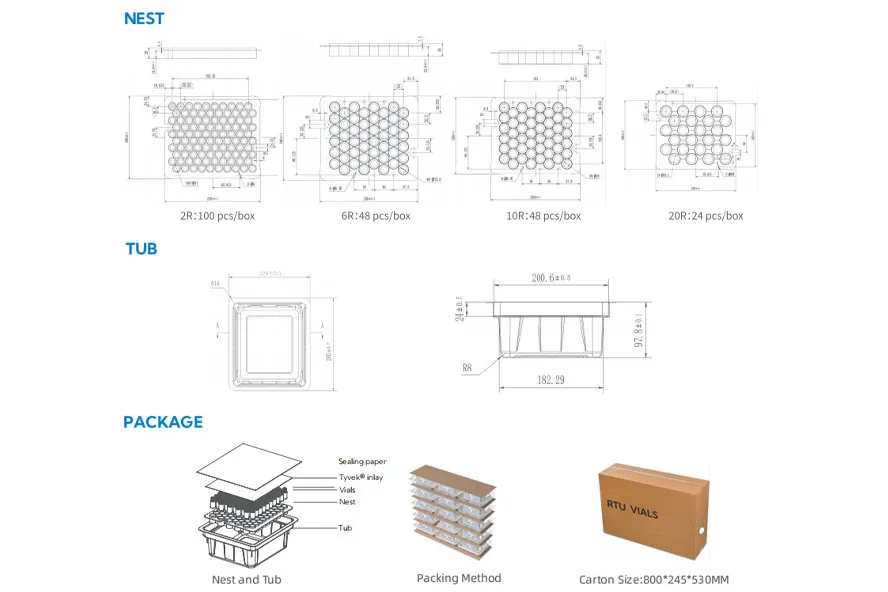
De onderstaande vergelijking is op formaatniveau, niet op merkniveau. Afzonderlijke leveranciers configureren nesten, bakken en trays op verschillende manieren; controleer daarom elke rij aan de hand van het technische gegevensblad van het specifieke product dat u aan het beoordelen bent.
| Afmeting | Nest en bad | Verpakking in bakjes |
|---|---|---|
| Transportunit | Flesjes die in een nest met vaste tussenafstand in een afgesloten bak worden bewaard | Flesjes in een bakje, meestal met een groter aantal per eenheid |
| Lijninterface | Ontworpen voor robotgestuurde pick-and-place-toepassingen en contactloze overdracht | Geschikt voor transportsystemen die al zijn opgezet rond de verwerking van bakjes |
| Contact tussen flacons onderling | Dankzij de nestafstand blijven de flesjes tijdens het transport en het vullen van elkaar gescheiden | Hangt af van de vorm van de tray; controleer of er risico’s zijn op contact met de flacons en op cosmetische gebreken |
| Ontstapelen | Het nest moet worden verwijderd; de vorm van het nest moet overeenkomen met die van de vulapparatuur | Er is een stap nodig waarbij de lade wordt verwijderd, met andere eisen aan de grijper en de toevoer |
| Omschakeling naar een ander formaat | Welke onderdelen moeten worden vervangen, hangt af van de geometrie van het nest en de grootte van het flesje | Welke onderdelen worden vervangen, hangt af van de indeling van de lade |
| Opslagvolume per flacon | Hoger, omdat de bak en het nest extra ruimte innemen rondom elk flesje | Over het algemeen compacter per flacon dan varianten in potjes |
| De beste keuze | Aseptisch robotvullen in kleine batches met hoge toegevoegde waarde | Vullen van grote volumes waarbij de productielijn al is ingesteld voor verpakking in trays |
| Secundair afval | Badkuip, nest en Tyvek-deksel voor elke verpakkingseenheid | Inlegbakje en buitenverpakking voor elke eenheid |
Twee rijen in die tabel zijn bepalend voor de meeste projecten. De eerste betreft de lijninterface: als je vulmachine is ontworpen voor een bepaalde nestafmeting, is een trayformaat geen directe vervanging en vice versa. De tweede is het opslagvolume. Een bak neemt per flacon veel meer magazijnruimte in beslag dan een bulkdoos, en bij opslag in een koelketen of een gecontroleerde omgeving maakt dat verschil het niet alleen onhandig, maar ook duur.
In tegenstelling tot de merkgebonden RTU-platforms die deze categorie domineren – waarbij elke leverancier zijn eigen formaat volgens zijn eigen specificaties documenteert – houdt een formaatneutrale evaluatie in dat u zelf voor de compatibiliteit moet zorgen. Er is geen platformoverschrijdende equivalentietabel waarop u kunt vertrouwen. Vraag tijdig om de nesttekening.
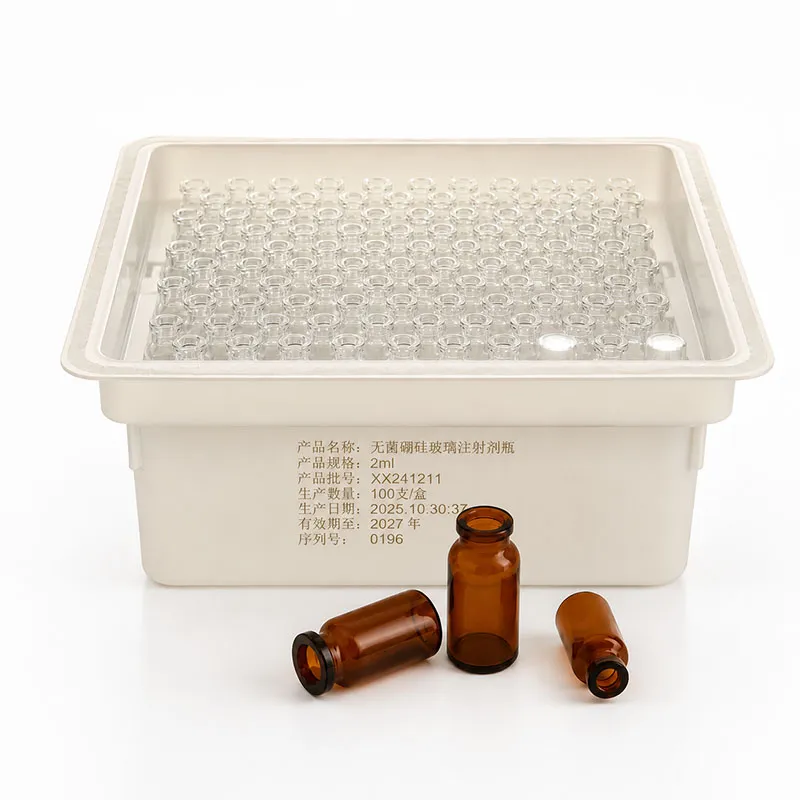
LINUO‘Op de gepubliceerde productpagina’s wordt ETO vermeld als de sterilisatiemethode voor zijn RTU-flesjes. Vanuit documentatieoogpunt is ethyleenoxide niet uitwisselbaar met stoom- of gammastralingesterilisatie, en een kwalificatieplan dat voor de ene methode is opgesteld maar voor de andere wordt uitgevoerd, leidt tot extra werk.
Hieruit vloeien drie praktische gevolgen voort.
Het testen op restconcentraties wordt onderdeel van uw specificaties voor binnenkomende goederen. Voor ethyleenoxide en de reactieproducten daarvan gelden grenswaarden voor restconcentraties binnen het kader van de biologische evaluatie volgens de ISO 10993-normenreeks, en u zult de gegevens van de leverancier over deze restconcentraties liever als een vast onderdeel van de levering willen ontvangen dan als een eenmalig testresultaat.
Het sterilisatieniveau en de validatie van de cyclus maken deel uit van het dossier van de leverancier, en u moet dit kunnen inzien. Volgens bijlage 1 van de EU-GMP-richtlijn maakt de steriliteit van binnenkomende, vooraf gesteriliseerde componenten deel uit van de strategie voor besmettingsbeheersing die u moet onderbouwen; het is niet iets dat u zomaar als een gegeven kunt beschouwen.
De integriteit van de verpakking garandeert de steriliteit tussen de productiecyclus van de leverancier en uw isolator. De integriteit van de verpakkingsafdichting, de behandeling tijdens het transport en de contactloze overdrachtsmethode naar de aseptische kern moeten allemaal als één aaneengesloten keten worden beoordeeld.
Een uitzonderingsgeval dat de aandacht verdient: als u een geneesmiddelstof afvult waarvan bekend is dat deze gevoelig is voor sporen van alkylerende residuen, kan het zijn dat voor een met ETO gesteriliseerde primaire verpakking een compatibiliteitsonderzoek nodig is, terwijl dit bij een met stoom gesteriliseerde verpakking niet nodig zou zijn geweest. Breng dit ter sprake in de bemonsteringsfase, en niet pas nadat het stabiliteitsonderzoek is begonnen.
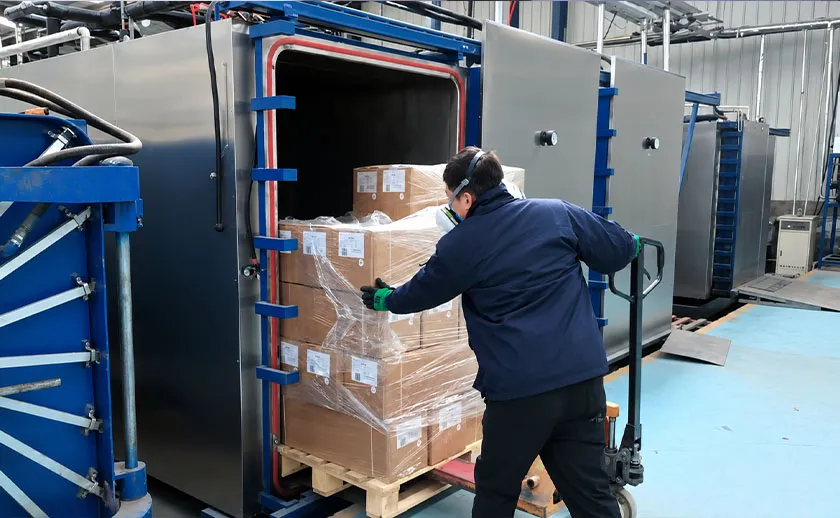
De glazen ampullen van LINUO’s RTU worden geleverd in de volgende nominale maten: 2R, 4R, 6R, 8R, 10R, 15R, 20R, 25R, 30R en 50R, vervaardigd uit farmaceutisch borosilicaatglas, verpakt in nest-en-bak- of trayverpakkingen. De levering vindt plaats in gewassen, pyrogeenvrije, verpakte en eindgesteriliseerde toestand, waarbij ETO op de productpagina’s als sterilisatiemethode wordt vermeld.
| Parameter | Gepubliceerde functie |
|---|---|
| Nominale maten | 2R, 4R, 6R, 8R, 10R, 15R, 20R, 25R, 30R, 50R |
| Glas | Farmaceutisch borosilicaatglas |
| Verpakkingsvormen | Nest en bak; dienblad |
| Leveringsvoorwaarden | Gewassen, pyrogeenvrij gemaakt, verpakt en eindsteriliseerd |
| Sterilisatiemethode | ETO |
| Vermelde toepassingen | Biologische geneesmiddelen, vaccins, monoklonale antilichamen, gevriesdroogde geneesmiddelen, producten voor cel- en gentherapie, hoogwaardige injectables en esthetische injectables |
| Verwijzing naar het kwaliteitssysteem | ISO 9001:2015, certificaatnr. CN23/00002781, afgegeven door SGS United Kingdom Ltd.; het gepubliceerde toepassingsgebied omvat steriele flacons van borosilicaatglas |
| Gepubliceerde capaciteit van de RTU-flaconlijn | Ongeveer 70 miljoen stuks per jaar |
De maatvoeringseisen voor buisvormige injectieflacons vallen onder ISO 8362-1, en het glas zelf wordt beoordeeld aan de hand van USP General Chapter voor verpakkingen van glas. Geen van beide normen specificeert de geometrie van de stapel of de tray, en dat is precies de reden waarom de tekening van de stapel een apart onderwerp is ten opzichte van de tekening van de flacon.
Het hierboven vermelde capaciteitscijfer is een gepubliceerd productiecijfer voor één productlijn. Het geeft een indicatie van de ruimte voor opschaling. Het zegt echter niets over de levertijd voor uw specifieke afmetingen en configuratie; daarvoor dient u een offerte aan te vragen.
“RTU betekent dat de container aan de eisen voldoet.”
Dat is niet het geval. RTU beschrijft de toestand waarin de container wordt geleverd. De kwalificatie blijft aan u: de integriteit van de container-sluiting met uw specifieke combinatie van stop en dop, extraheerbare en uitloogbare stoffen in relatie tot uw formulering, compatibiliteit met de machines op uw productielijn en stabiliteit in uw primaire verpakking.
De daarmee samenhangende misvatting betreft de regelgeving. Een leverancier die voor één productfamilie over een FDA Drug Master File beschikt, heeft daarmee nog niet alle productfamilies geregistreerd die hij produceert. De openbaar beschikbare DMF-gegevens van LINUO illustreren dit punt: DMF 038426 heeft betrekking op een type I borosilicaat-gegoten glazen fles, en DMF 041474 op voorvulbare glazen spuiten. Geen van beide is een DMF voor een RTU-flacon. Als op de pagina over RTU-flacons van een leverancier wordt gesuggereerd dat er een DMF van toepassing is, vraag dan welk DMF-nummer, welk type en vraag om de bevestigingsbrief zelf.
De voordelen liggen voor de hand: minder verwerkingsstappen in uw cleanroom, een lager risico op deeltjes en endotoxinen doordat bepaalde wasprocessen niet meer nodig zijn, een snellere omschakeling bij kleine batches en een veel kortere weg van klinisch naar commercieel gebruik voor hoogwaardige injectables.
De kosten zijn al even concreet, en ze zijn niet gering.
De eenheidsprijs ligt aanzienlijk hoger dan die van bulkflacons van dezelfde grootte, omdat u hiermee verwerkingskosten betaalt die u anders zelf zou moeten uitvoeren. De opslagruimte per flacon neemt toe bij verpakkingen in bakjes, wat vooral van belang is bij temperatuurgecontroleerde opslag. De ‘formaatlock-in’ is reëel: zodra uw productielijn is ingericht voor één nestgeometrie, betekent het wisselen van leverancier dat de compatibiliteit van de machines opnieuw moet worden gevalideerd, en niet alleen het glas opnieuw gekwalificeerd. De afhankelijkheid van de leverancier neemt toe, aangezien een afwijking in de sterilisatie bij de leverancier leidt tot een leveringsonderbreking die u niet intern kunt oplossen. En voor producten met grote volumes en een lage waarde zijn de economische aspecten vaak helemaal niet rendabel.
V: Is een verpakking met nest-and-tub beter dan een verpakking met bakjes voor gevriesdroogde producten?
A: Het formaat op zich is niet bepalend voor de geschiktheid voor vriesdrogen. Het gaat erom of het materiaal en de vorm van de nest of de tray compatibel zijn met uw laadsysteem en of de flacons in de door uw apparatuur vereiste opstelling in de vriesdroger kunnen worden geplaatst. Bij sommige productielijnen worden de flacons in hun nest geladen, bij andere moeten ze eerst uit het nest worden gehaald. Neem contact op met de leverancier van uw vriesdroger voordat u een formaat kiest.
V: Kan ik de flacons van de ene leverancier in de verpakking van een andere leverancier gebruiken?
A: Ga er standaard vanuit dat dit niet het geval is. De afmetingen van de nest, de geometrie van de putjes en de afmetingen van de bakjes zijn niet gestandaardiseerd tussen leveranciers, en ISO 8362-1 heeft betrekking op het flesje en niet op het nest. Voor elke vervanging door een ander merk is het noodzakelijk om de compatibiliteit met de machine te testen en een gedocumenteerde wijzigingsbeoordeling uit te voeren.
V: Beschikt LINUO over een FDA-DMF voor gebruiksklare glazen flacons?
A: De openbaar beschikbare DMF-documenten zijn DMF 038426, een Type III-dossier betreffende een Type I-fles van gegoten borosilicaatglas, en DMF 041474, een Type III-dossier betreffende voorvulbare glazen injectiespuiten. Er is in het openbare downloadcentrum geen afzonderlijke productspecifieke DMF-bevestiging voor gebruiksklare glazen flacons aangetroffen. Indien DMF-dekking een vereiste is voor uw indiening, neem dan rechtstreeks contact op met de leverancier en vraag om de bevestigingsbrief.
V: Is het ISO 15378-certificaat nog geldig?
A: Het openbaar downloadbare ISO 15378:2017-certificaat, nummer CN16/10384, afgegeven door SGS Hong Kong Limited, heeft als geldigheidsduur tot 2 maart 2025. Vraag het vernieuwde certificaat rechtstreeks aan en controleer de afgiftedatum ervan, in plaats van het geplaatste bestand als actueel te beschouwen.
V: Welke maten zijn er beschikbaar, en kunnen deze op maat worden gemaakt?
A: De gepubliceerde nominale maten variëren van 2R tot 50R, verdeeld over tien formaten. Configuratievariabelen, zoals verpakkingsformaat, oppervlaktebehandeling en codering, worden in de offerte behandeld. Voor maatwerk buiten het gepubliceerde bereik is technische bevestiging nodig voordat u ervan uitgaat dat dit haalbaar is.
V: Hoe wordt de steriliteit gewaarborgd tussen de locatie van de leverancier en mijn isolator?
A: Via de kuipafdichting en de contactloze overdrachtsmethode naar de aseptische kern. Deze keten maakt deel uit van uw strategie voor besmettingsbeheersing volgens bijlage 1 van de EU-GMP, dus de gegevens over het transport, de integriteit van de afdichting en de validatie van de overdracht horen thuis in uw dossier, en niet alleen in dat van de leverancier.
V: Wat is de minimale bestelhoeveelheid?
A: Niet gepubliceerd. De minimale afnamehoeveelheid (MOQ) varieert per maat, formaat en configuratie en wordt bij de offerte vastgesteld. Vraag hiernaar in dezelfde aanvraag als het technische gegevensblad, zodat de keuze van het formaat en de commerciële haalbaarheid gezamenlijk kunnen worden beoordeeld.
V: Moet ik nog steeds onderzoek naar extraheerbare en uitloogbare stoffen laten uitvoeren als de flacons vooraf gesteriliseerd zijn?
A: Ja. Voorsterilisatie is geen vervanging voor een compatibiliteitsbeoordeling met uw formulering. Integendeel, bij met ETO gesteriliseerde verpakkingen moeten er, naast het standaardprofiel voor extraheerbare stoffen uit glas, ook nog overwegingen met betrekking tot residuen volgens de ISO 10993-normenreeks in aanmerking worden genomen.
We nemen binnen 24 uur contact met u op. In dringende gevallen kunt u ons toevoegen op WhatsApp/WeChat: +8615953131507, of direct bellen naar +8618615646416.
*We respecteren uw vertrouwelijkheid en beschermen al uw gegevens.
We zullen uw gegevens uitsluitend gebruiken om op uw vraag te reageren en zullen nooit ongevraagde e-mails of promotionele berichten sturen.