









About Us
If you have any problems during product use,please feel free to contact us


Scroll Down

 October 23, 2026
Choosing molded glass injection vials begins with the requirement that matters most to your project. LINUO’s Standard Series emphasizes strength and economy, the Tube-Look Series offers a tubular-style appearance, and the Lightweight Series focuses on reducing bottle weight.
These priorities help narrow the options, but the final selection also depends on capacity, container dimensions, closure requirements and production conditions.
For pharmaceutical manufacturers, packaging engineers and procurement teams, the most useful comparison connects each series with a clear purchasing need. This guide explains where to start and what information to review before requesting samples.
LINUO’s molded injection vial range includes three series with different capacity ranges and product priorities.
| Series | Published Capacity Range | Main Characteristics | When to Consider It |
| Standard | 5–100 ml | Strength and economy; includes freeze-dry models | When evaluating conventional molded injection vial requirements |
| Tube-Look | 10–50 ml | Straighter walls with a tubular-style appearance | When the external profile is an important packaging requirement |
| Lightweight | 10–20 ml | Designed to reduce bottle weight | When developing a reduced-weight pharmaceutical container |
LINUO lists clear and amber options within its molded injection vial offering. Confirm the available color and glass specification for the selected model.
To begin a comparison, provide your required capacity, current vial drawing and main packaging priority: conventional performance, external appearance or reduced weight.

TheStandard Series is a practical starting point for projects prioritizing conventional molded-vial performance, broad capacity coverage and project-specific cost evaluation. Its published 5–100 ml range also provides the broadest capacity coverage among the three series.
Begin with this range when evaluating a conventional molded pharmaceutical glass vial or when the required capacity falls outside the published Tube-Look and Lightweight ranges, subject to model availability and project qualification.
The next step is to identify a model that matches the actual packaging requirement. Compare its nominal capacity, brimful capacity, overall dimensions and neck finish with the approved specification.
Economy should be assessed using a quotation for the selected model, order quantity and packaging arrangement.
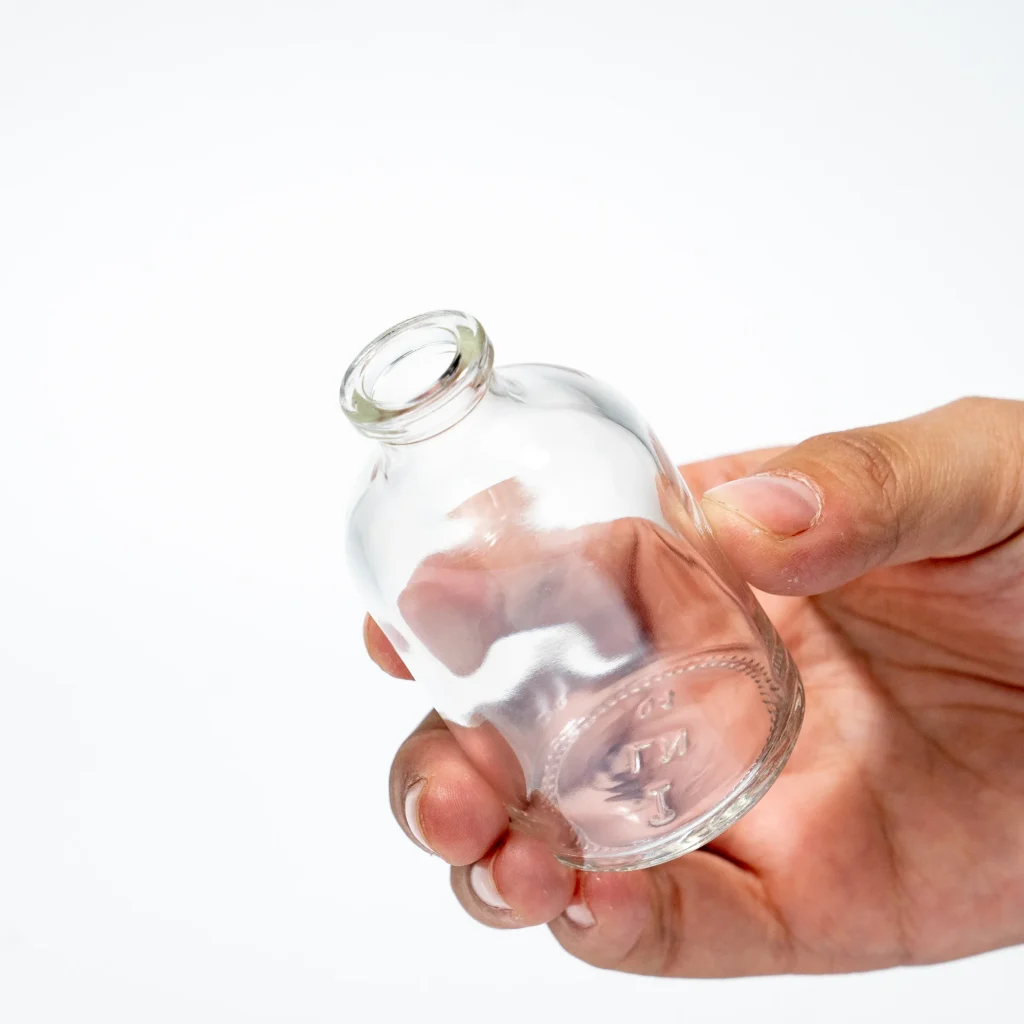
The Tube-Look Series is intended for projects seeking a tubular-style appearance while using a molded glass container.
A similar external appearance does not establish equivalent manufacturing characteristics, dimensions or performance. With a published capacity range of 10–50 ml, it is relevant when the packaging brief includes a particular external shape or presentation.
For buyers comparing Tube-Look glass vials with an existing container, the most useful first document is the product drawing. Review the body profile alongside height, diameter, shoulder and neck dimensions.
No. Tube-Look describes the appearance of a molded vial series; it does not mean the vial is manufactured from glass tubing.
This distinction matters when an existing specification calls for a tubular container. A similar external appearance does not establish equivalent manufacturing characteristics, dimensions or performance.
If the project involves replacing a tubular vial, evaluate the proposed molded model through the appropriate technical and quality review rather than treating it as a direct substitute.
The Lightweight Series is designed for projects where reducing bottle weight is a defined objective. Its published capacity range is 10–20 ml.
A useful lightweight vial comparison begins with an identified reference container. Request the weight and drawing of the proposed model, then compare it with the current vial under the same project requirements.
This allows the team to assess the actual material reduction alongside container dimensions, closure fit and production conditions.
Use your primary project requirement to establish an initial direction:
More than one series may remain suitable after this first step. For example, a project within overlapping capacity ranges may compare Standard and Lightweight models using actual drawings, weights and quotations.
For a replacement project, begin with the existing approved specification. The series name should help organize the comparison, while the specification determines whether a candidate can progress to evaluation.
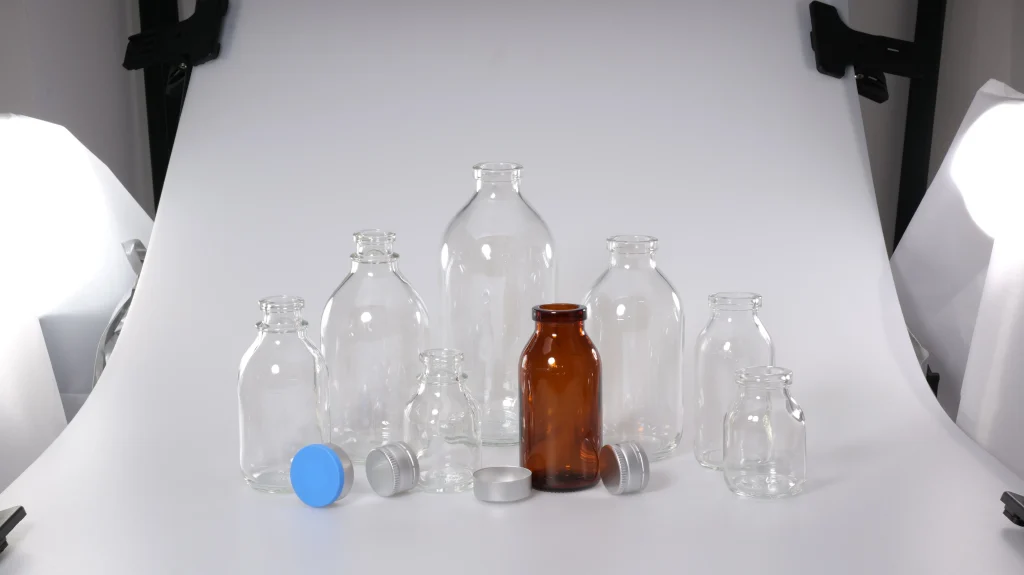
Before comparing samples, establish a common specification for all candidate vials. This makes the evaluation more useful and helps suppliers respond with the correct product information.
| Review Item | Information to Confirm |
| Capacity | Nominal capacity, brimful capacity and intended fill volume |
| Dimensions | Height, body diameter, neck finish and drawing revision |
| Glass Type and Color | Required glass classification, pharmacopoeial requirement, and clear or amber configuration. |
| Bottle Weight | Model-specific weight, especially for lightweight comparisons |
| Closure | Intended stopper and cap combination |
| Production Conditions | Filling-line configuration, washing or sterilization process, thermal treatment, lyophilization cycle and relevant handling requirements. |
| Supply and Packaging Format | Required container preparation status, packaging configuration and release-document requirements. |
| Quality Information | Applicable product specification, inspection criteria and sample identification |
| Drug Product | Dosage form, formulation category, relevant pH range, sensitivity and intended storage conditions. |
Two vials with the same nominal capacity may have different geometry. Where the container will run on existing equipment, include the proposed model in the relevant equipment assessment.
The series name also does not establish sterile supply status. Standard, Tube-Look and Lightweight describe product series; bulk or RTU supply requirements need separate confirmation.
LINUO’s three series provide distinct starting points for pharmaceutical packaging selection: Standard for strength and economy, Tube-Look for external presentation, and Lightweight for reduced bottle weight.
To identify a suitable model, share:
Contact LINUO to discuss model selection, applicable product drawings and evaluation sample requirements.
Standard emphasizes strength and economy, Tube-Look provides a tubular-style appearance, and Lightweight focuses on reducing bottle weight. Their published capacity ranges also differ.
No. Tube-Look is a molded glass vial series with a tubular-style external profile. It should not be treated as a tubular container solely because of its appearance.
Begin with an applicable Standard Series model intended for freeze-dry applications. Not every Standard model should be assumed to be lyophilization-ready. Confirm the selected vial geometry, glass classification, stopper system, filling process and lyophilization cycle before qualification.
Compare the selected Lightweight model with an identified reference vial using model-specific weight data. The reduction depends on the products being compared.
Provide the required capacity, drawing or dimensions, glass and color requirements, closure configuration, production conditions and supply state.
We will reply to you within 24 hours. If for urgent case, please add WhatsApp/WeChat: +8615953131507, Or call +8618615646416 directly.
*We respect your confidentiality and all information are protected.
We will only use your information to respond to your inquiry and will never send unsolicited emails or promotional messages.